
The Grove
The Grounds at NFATC

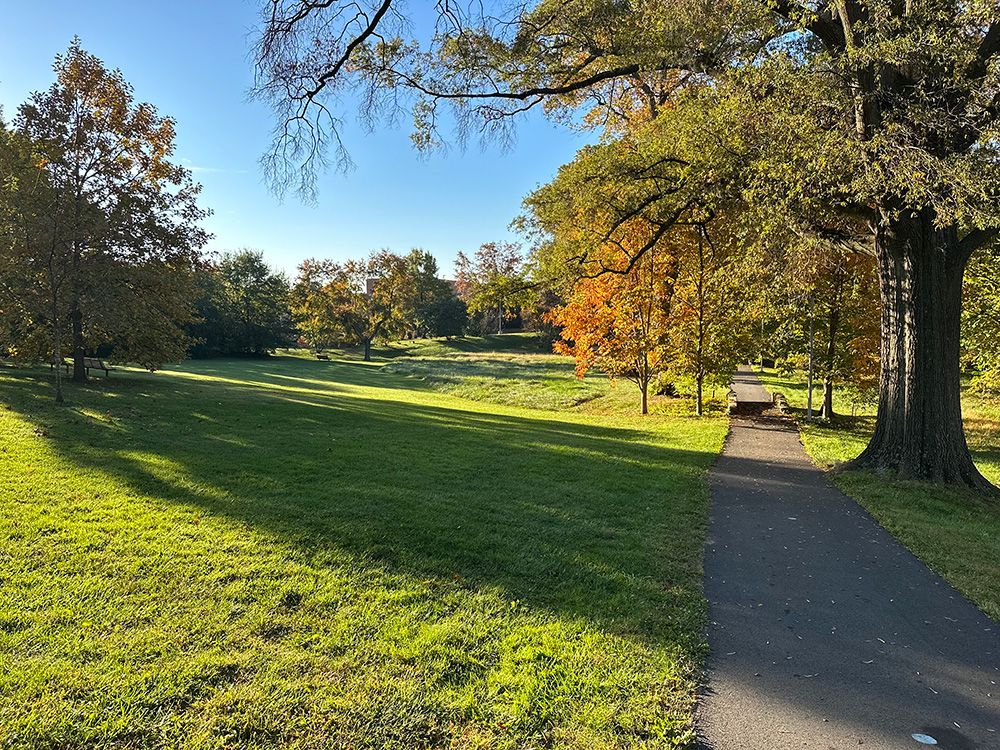
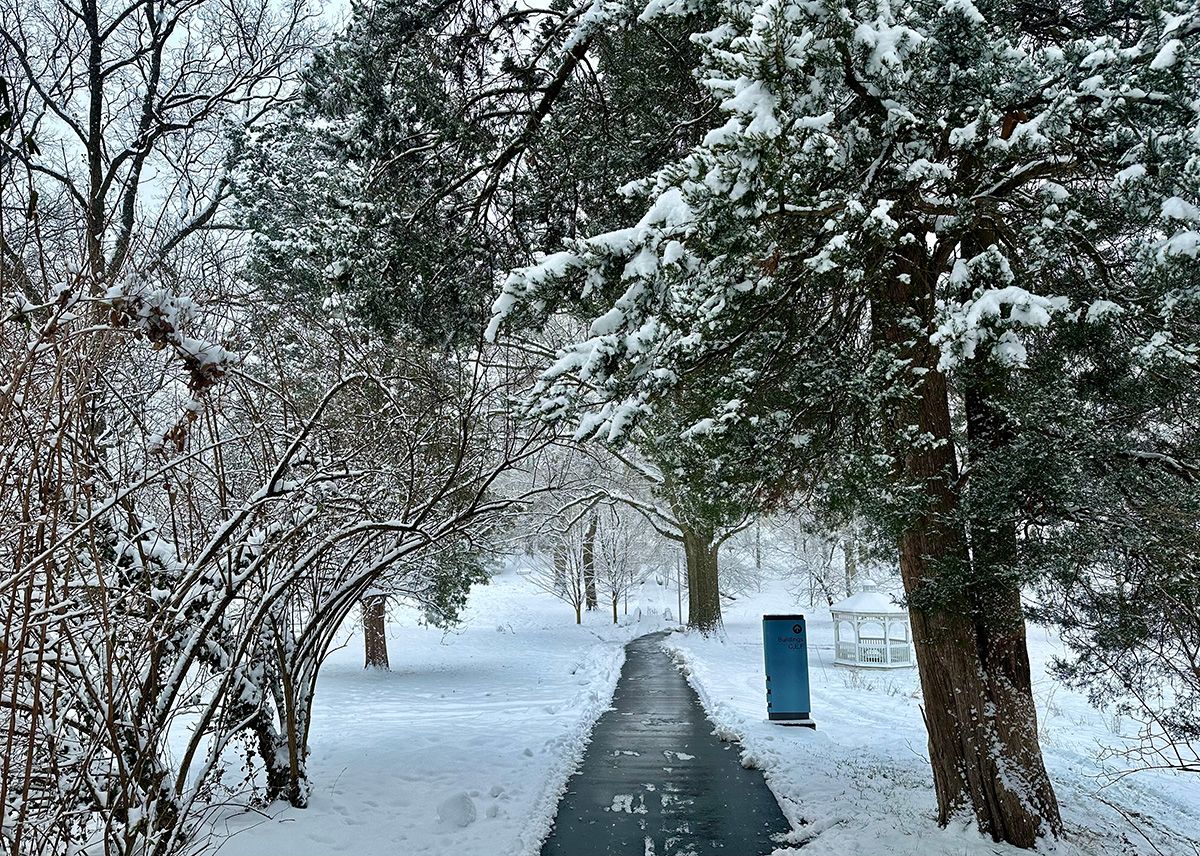
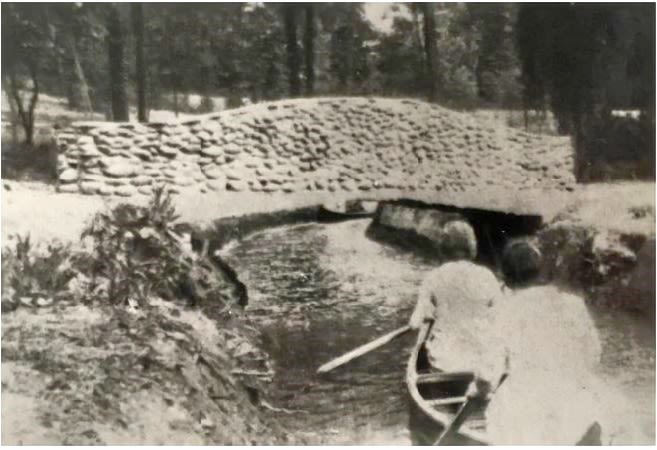
The Grove is the historical core of campus. A towering canopy of tulip poplars, oaks, tupelos, black gums, red maples, and hickories shade a full five acres of undisturbed soils. The pathway through the Grove links Arlington Hall (the E Building) with the Cottages (the H and I buildings) and traverses two historic stone bridges that once crossed streams that fed a pond whose footprint remains evident as a large grassy void.
Planting in the Grove is generally undertaken using seedlings of native trees dug on campus. Mowing is also reduced in areas to encourage natural regeneration. The Grove remains lush year-round as the springs that fed the pond remain just below the surface (it ultimately emerges as Doctor’s Run on the south side of campus, behind the daycare).
The Grove is great for breaks, enjoying the shade, and taking in the spectacular fall color produced by the variety of trees.








Horticulturist's Tour
Listen to NFATC Horticulturist Darren DeStefano describe what makes the Grove historic and special.
Select the play button to listen to the audio as you follow along with the transcript below.
Welcome to the Grove.
This is the core of the historic district of campus. It's really a natural piece of ground, a piece of Old Arlington that's not been altered.
(Scroll to follow along with the audio.)
And what you really enjoy here is the canopy and maturity of the trees. It's a mixture of red maples, oaks, tulip poplars, black gums, and hickories.
Trees here are generally not planted. They either pre-date any construction on the site or they’re regeneration from seedlings. Even trees that I have planted into this space, they're generally transplants of seedlings from somewhere else on campus or direct regeneration on the site itself.
You can see two small stone bridges. Those used to go over creeks that fed a pond that is in the large grassy void over towards the F Building. This is a great space to really just kind of soak in the history of the site. You can see Arlington Hall, but it's also a nice place to, you know, it's a great place on the walk, right?
I mean, when you're doing the campus walk and you enter into the Grove, it's a depression, right? So, you go down and then you walk along and then you come up and it has a great feel as you go through these kinds of tight, shrubby tunnels. You know, there's one at the beginning and one at the end. And I love those portals.
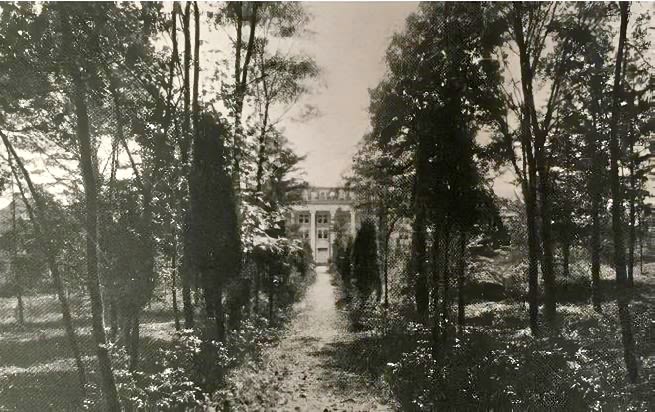
And it's bookended on either side by historic buildings. So, as you walk towards the south, you get a direct shot at Arlington Hall, and if you walk towards the north, you see the two kit cottages. So, you really have a large area, acres of land that hasn't been disturbed. And you get these historic buildings at the same time while you're walking underneath of a really tall canopy.
Featured Plants

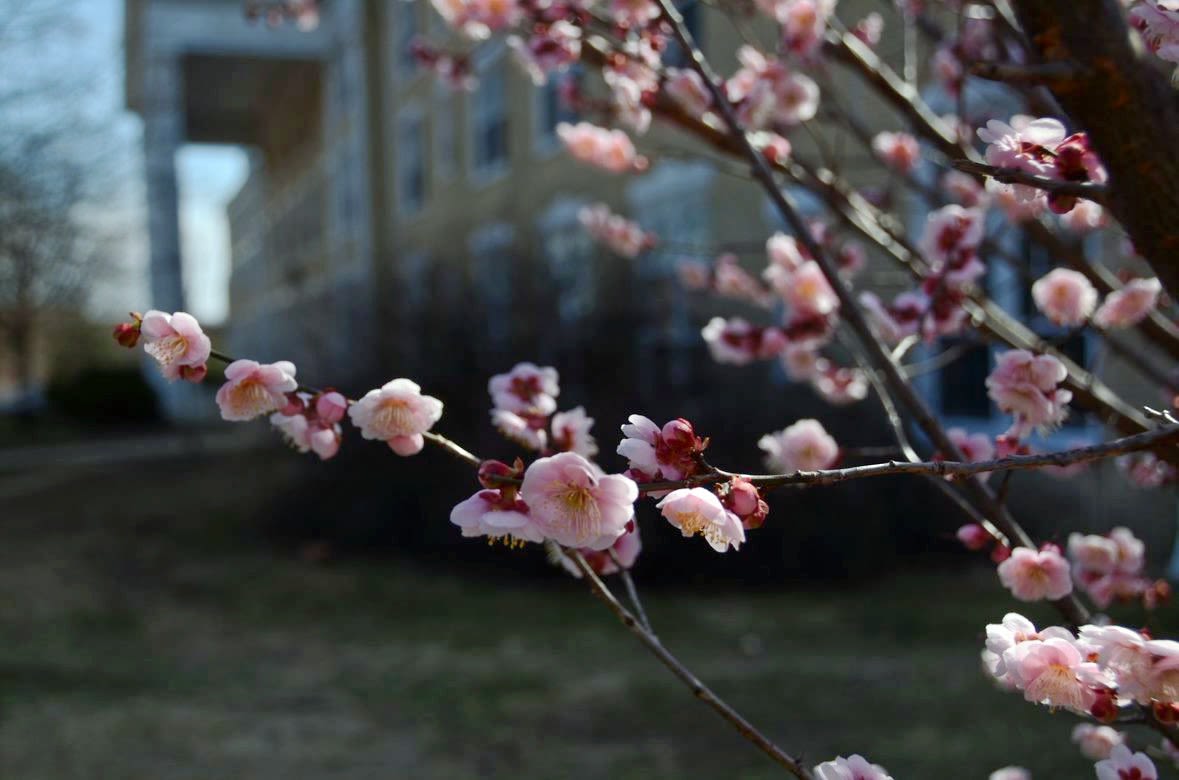
‘Nicholas’ Chinese Plum Blossom
‘Nicholas’ Chinese Plum Blossom

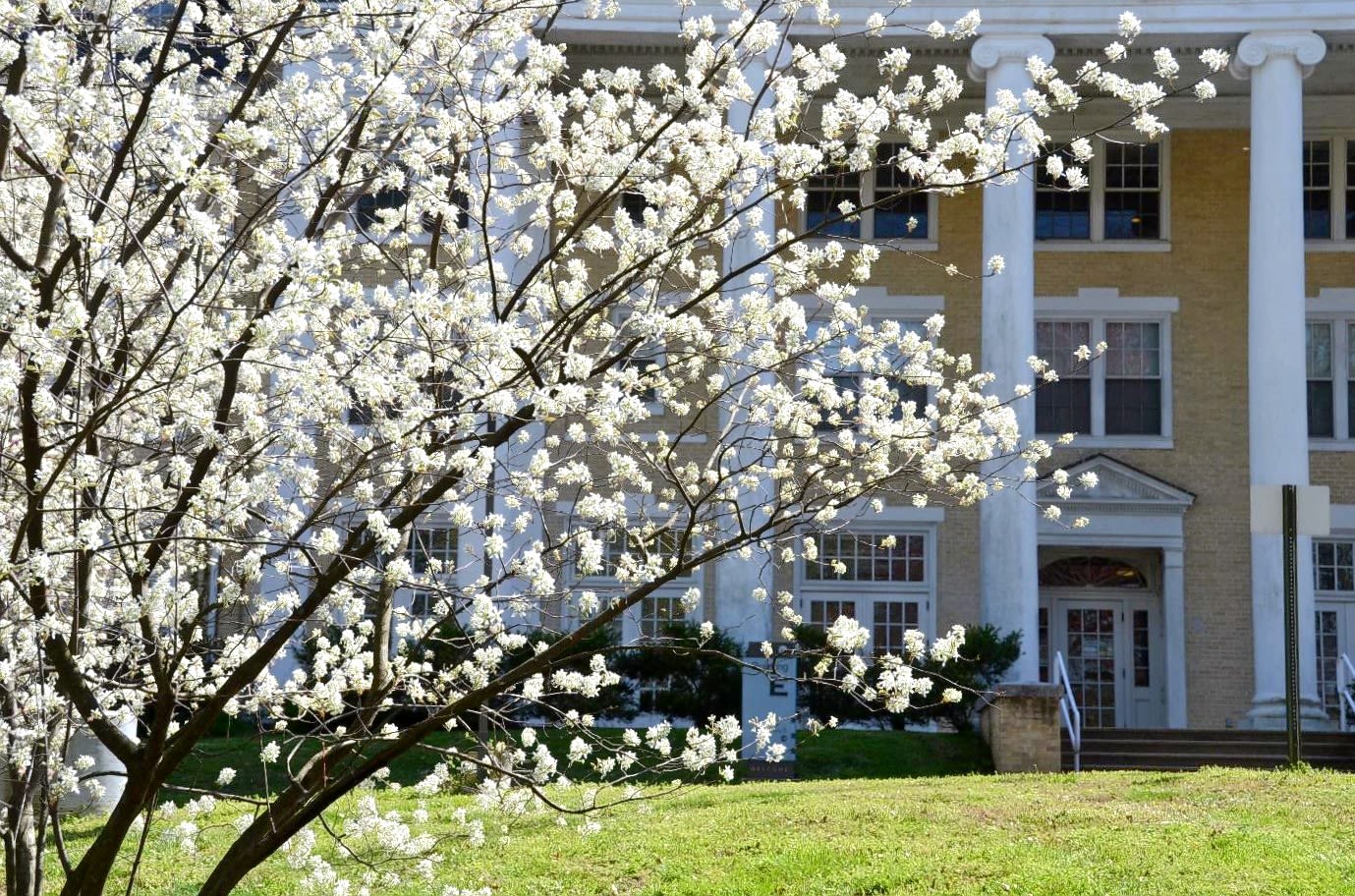
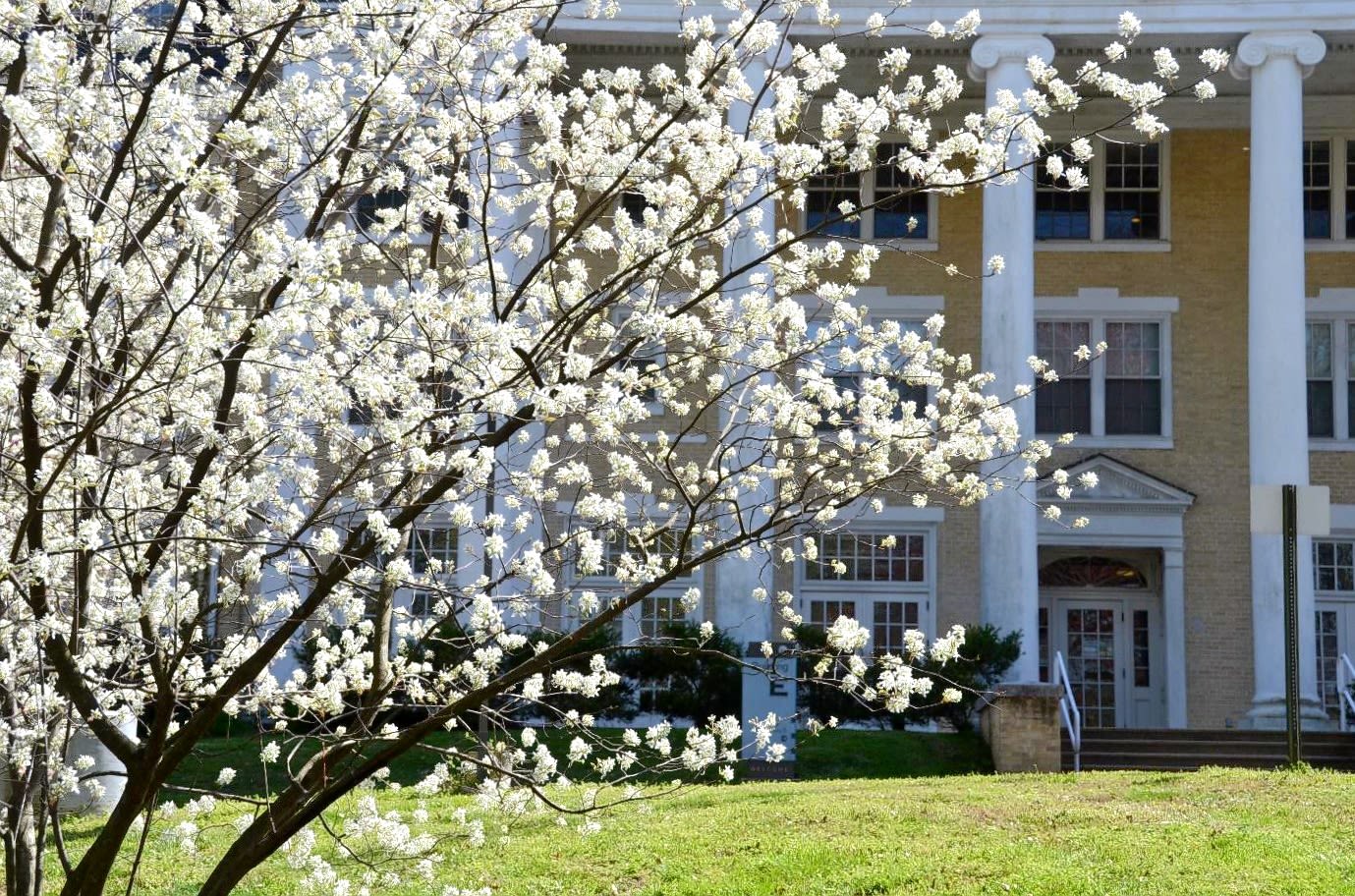
Shadbush in full bloom in front of Arlington Hall
Shadbush in full bloom in front of Arlington Hall

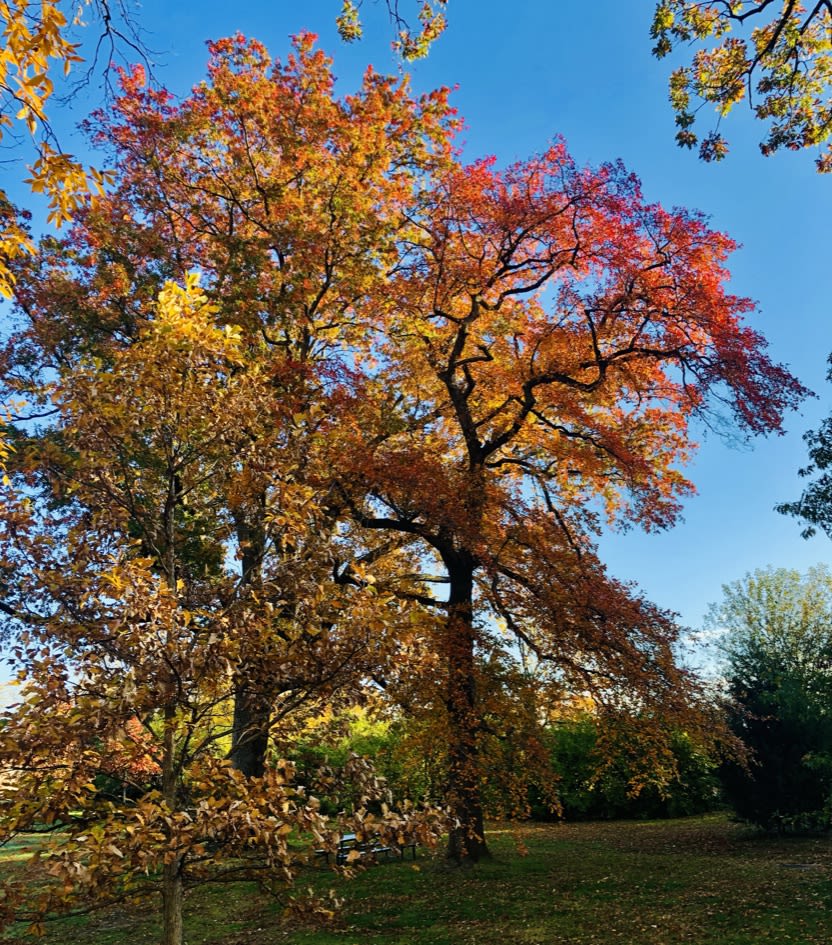
Tupelo in autumn
Tupelo in autumn
‘Nicholas’ Chinese Plum Blossom
(Prunus Mume ‘Nicholas’)
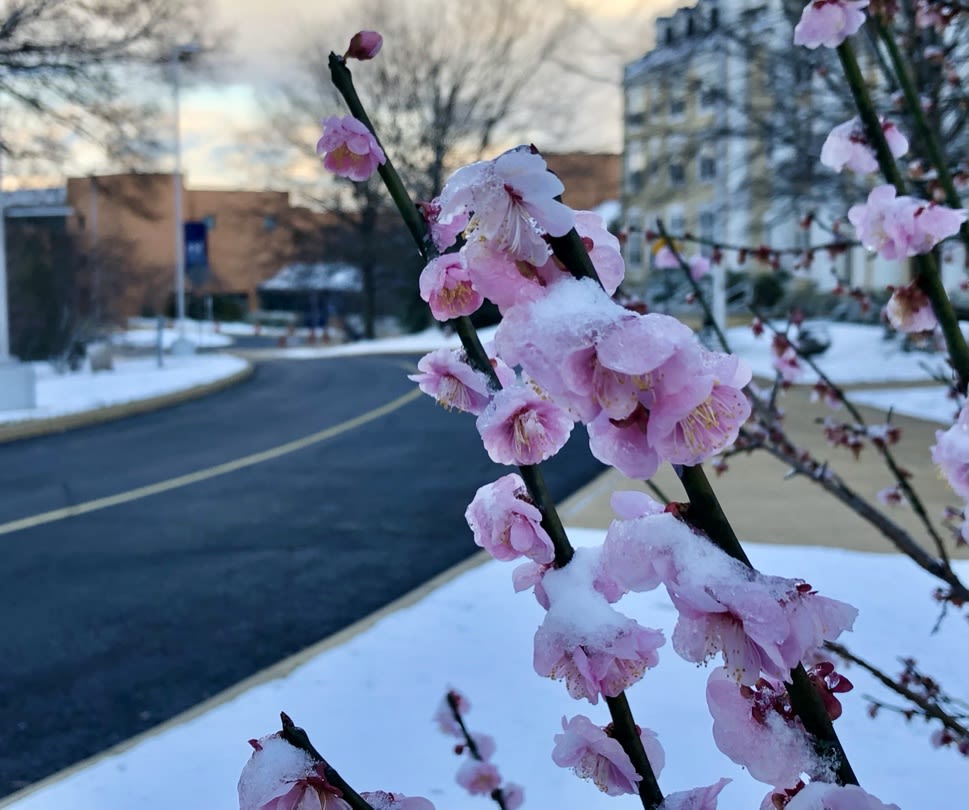
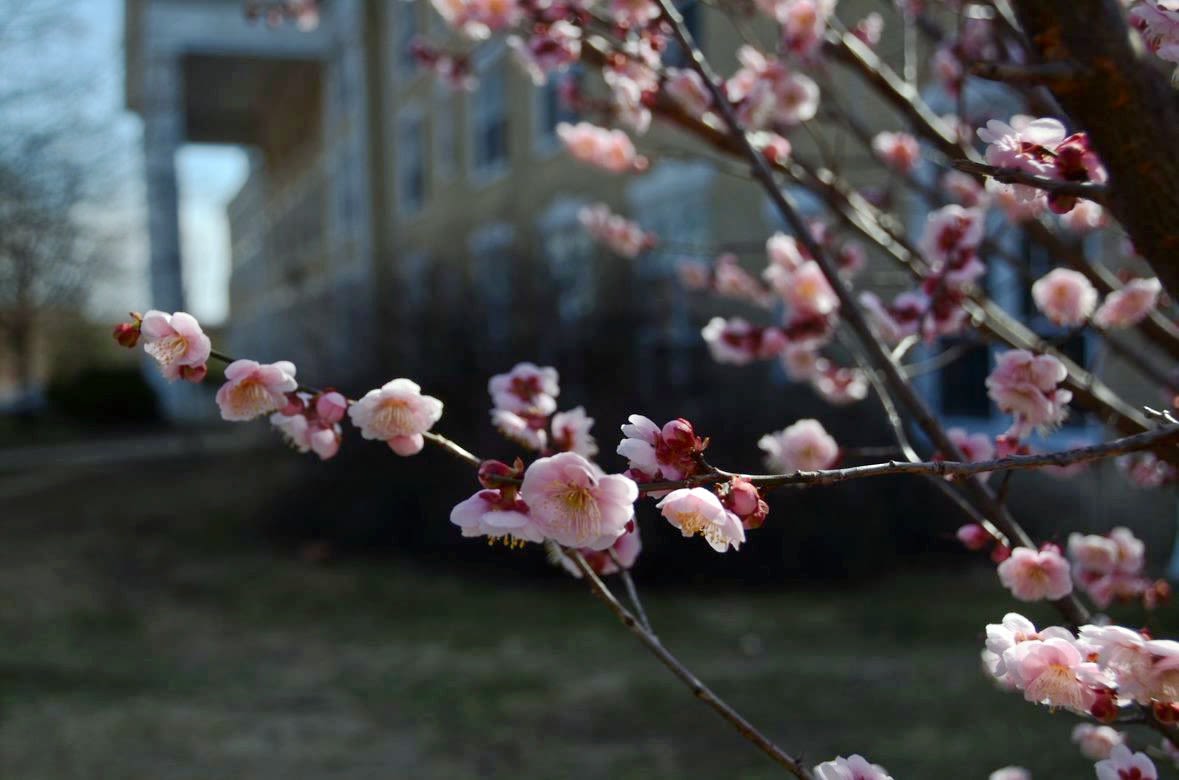
Chinese plum blossom is native to the Yangtze River region of southern China. It has been in cultivation for over 1,500 years for its stunning late winter flowers, making it one of the oldest ornamental plants in recorded history. The blossoms are venerated in Confucianism as a component of the “Three Friends of Winter,” where they represent perseverance through adversity and are often depicted in classical Asian painting, textiles, and pottery.
The bee-pollinated flowers range from white to pink/red and bear fruit (ume) in June, which is typically pickled (umeboshi) and used as a flavoring in sauces in which it contributes a unique tang.
The specimens at NFATC are a selection called ‘Nicholas’ with double flowers of a pale pink hue. They were planted in 2018 near the turnstile closest to Arlington Hall.
Shadbush
(Amelanchier x grandiflora)
Native to eastern North America, shadbush is a naturally occurring hybrid between two species (A. arborea and A. laevis) in the rose (Rosaceae) family.
A profusion of white blossoms produces an elegant nebular bloom that catches early spring light like no other but lasts just a week. Foliation is tinged with color and followed by a hefty crop of delectable miniature pomes in early summer. A plant for all seasons, the stout multi-stemmed shadbushes catch fire in autumn with brilliant orange and red hues of lanceolate foliage before showing off a steely gray bark for winter.
Shadbush is known by many names: “serviceberry” in the Puritan North for its early bloom signaling the commencement of burials and “juneberry” in the South for its tasty crop. These plants can be easy to miss and difficult to identify despite their superlatives due to their understated nature. A small grove of ‘Autumn Brilliance’ and ‘Princess Diana’ were planted in 2007 in front of Arlington Hall (the E Building).
There is nothing quite like a juneberry pie.
Tupelo
(Nyssa sylvatica)
Tupelo is a deciduous tree in the sour gum (Nyssaceae) family that is native to the moist humid woodlands of southeastern North America.
The genus derives its name from the naiads of ancient Greek myth, female spirits who presided over springs and brooks, which is often where groves of the trees can be found.
Tupelos are complex, subtle, and nondescript but yield incredible gifts to the patient. Dioecious trees emerge in spring with glossy elliptical foliage followed by small white flowers on female trees and copious amounts of pollen on males, fueling bees in the production of the famed tupelo honey and feeding birds with sour blueberries. A slow-growing tree, they often yield fascinating architectural specimens, contorted and serpentine in the upper canopy with significant age.
Autumn brings the high moment for the species when its foliage is set alight in hues of red, orange, and yellow like wildfire, which persists for a couple weeks prior to creating a tapestry on the lawn.
Tupelos are tap rooted and difficult to transplant and therefore remain somewhat rare in the planted landscape, but a natural population has persisted on the grounds of NFATC since the initial development at the turn of the 20th century, watching over the ground like naiads, a real gift.
Through the Seasons
Select each of the images below to zoom in and learn more.

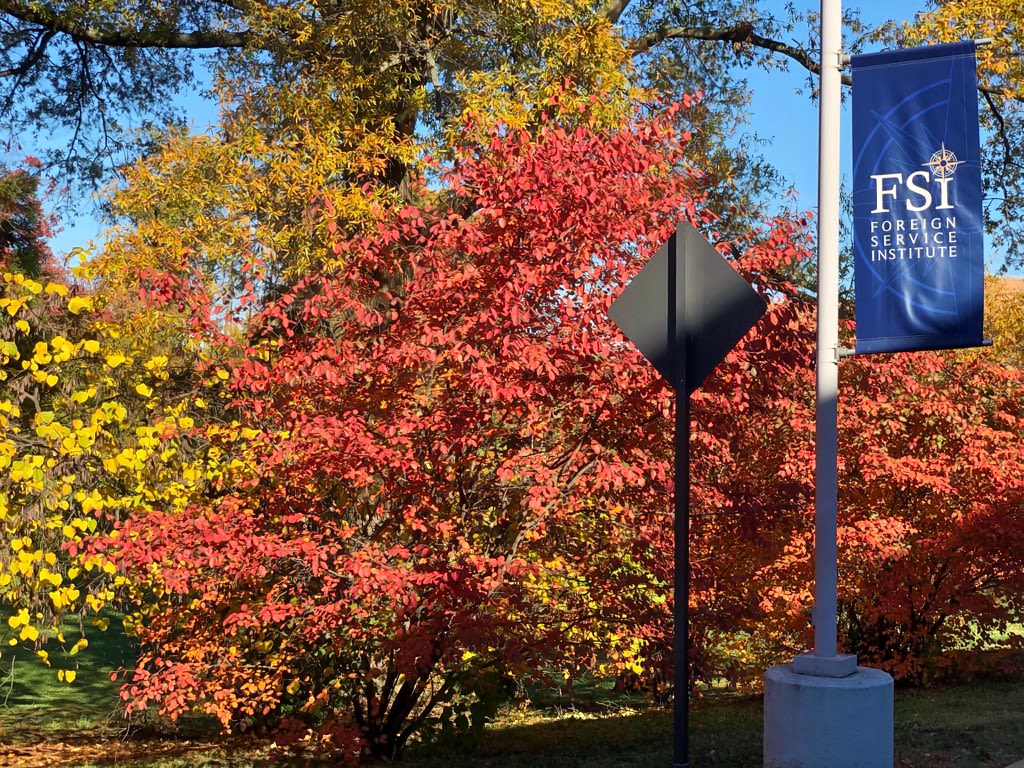
The fall color of shadbush
The fall color of shadbush

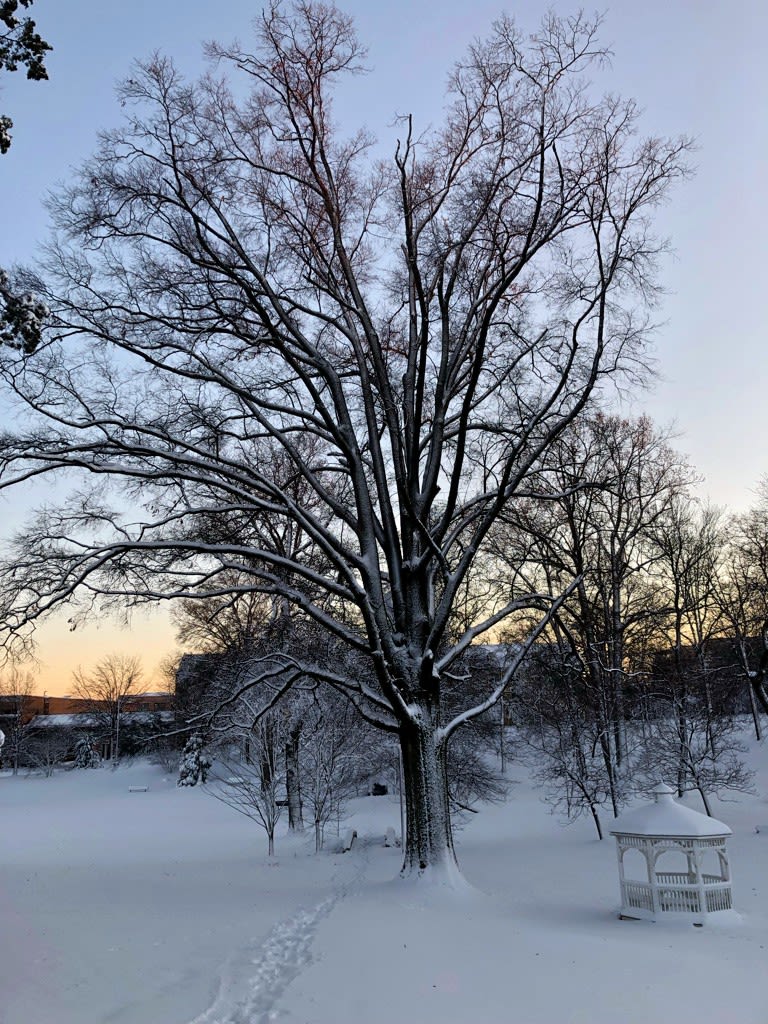
Willow oak in winter
Willow oak in winter
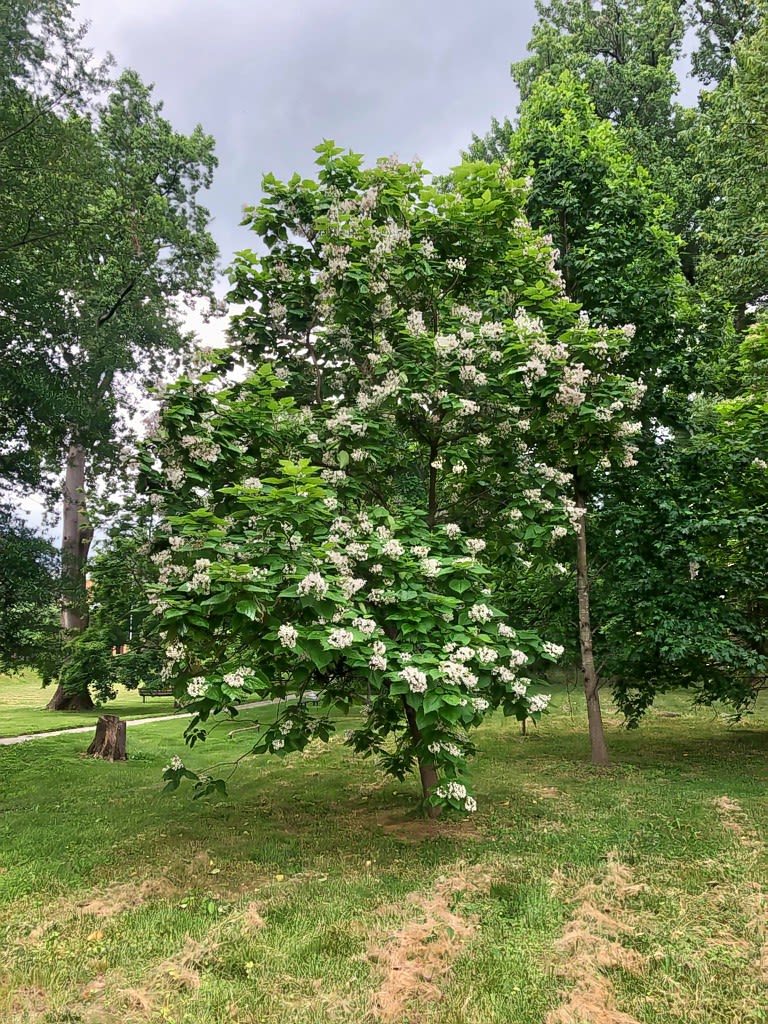
Southern catalpa in bloom
Southern catalpa in bloom
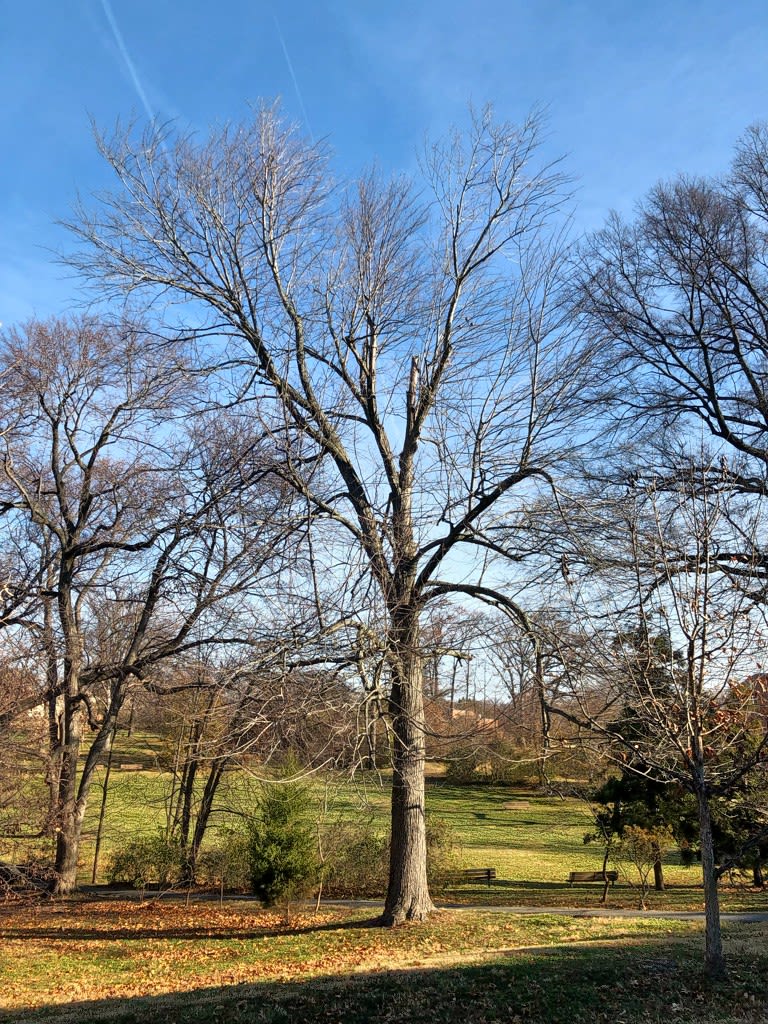
Red maple in winter
Red maple in winter
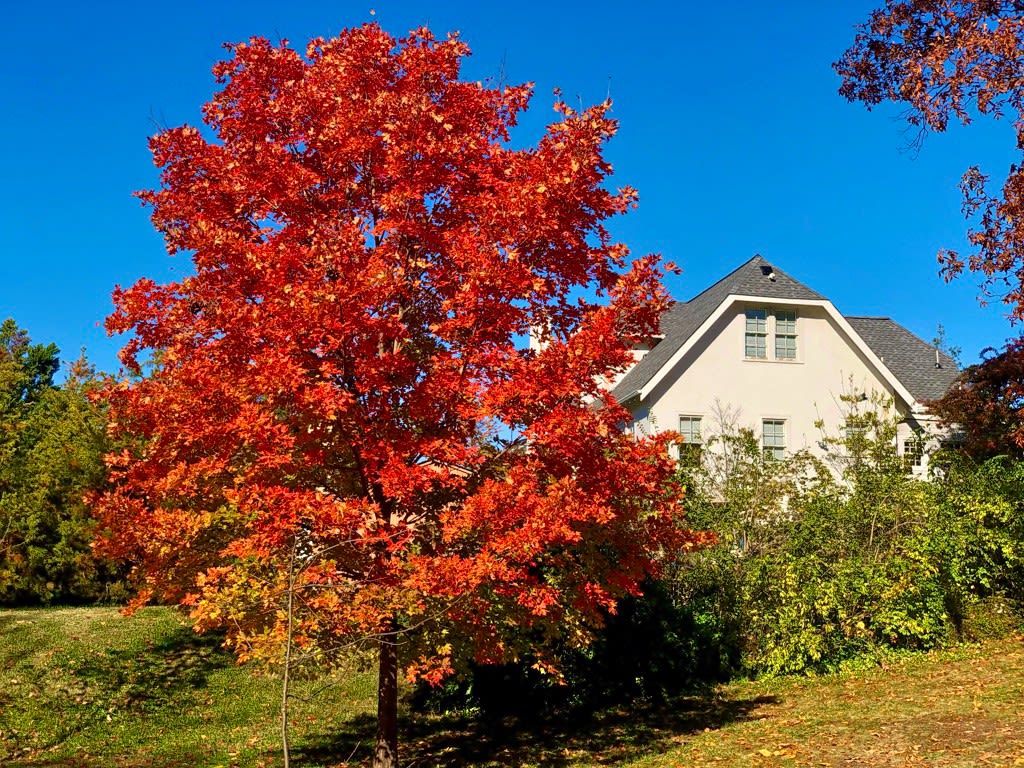
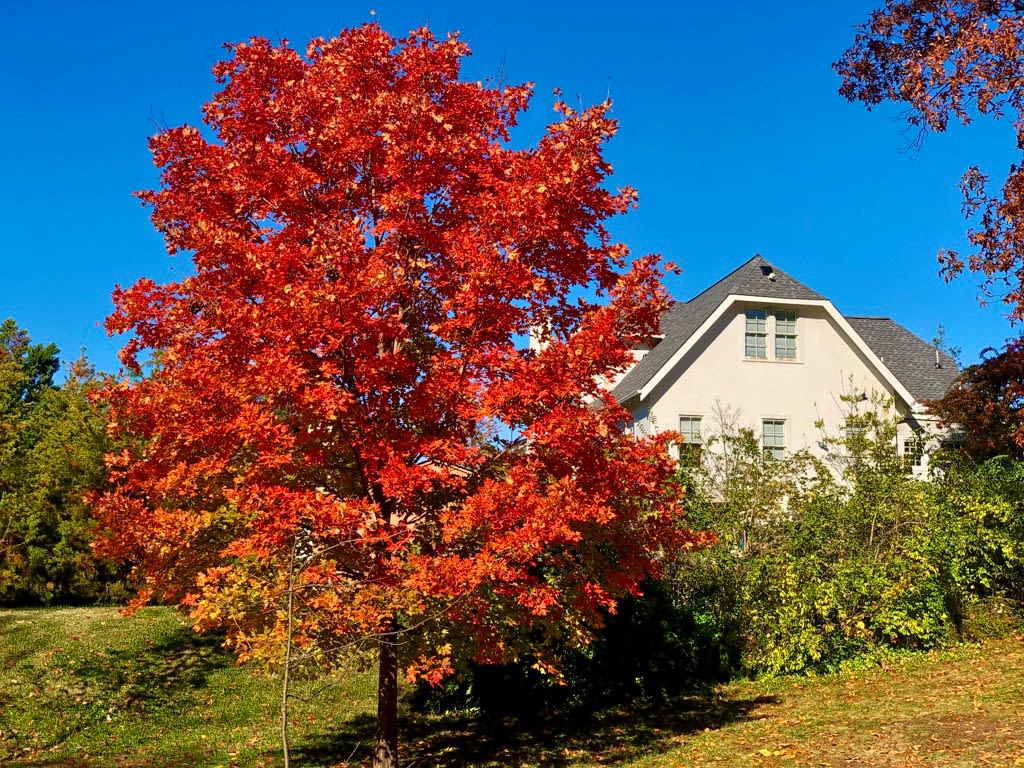
Brilliant fall color from a 'Green Mountain' sugar maple by the cottages
Brilliant fall color from a 'Green Mountain' sugar maple by the cottages
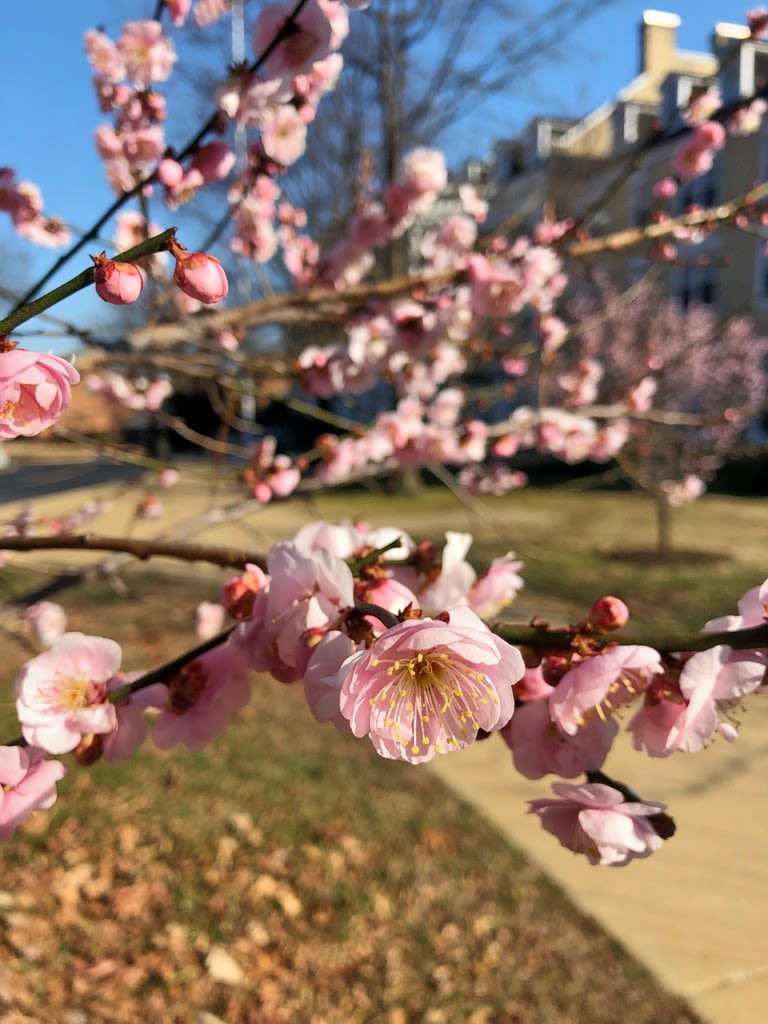
Chinese plum blossom
Chinese plum blossom
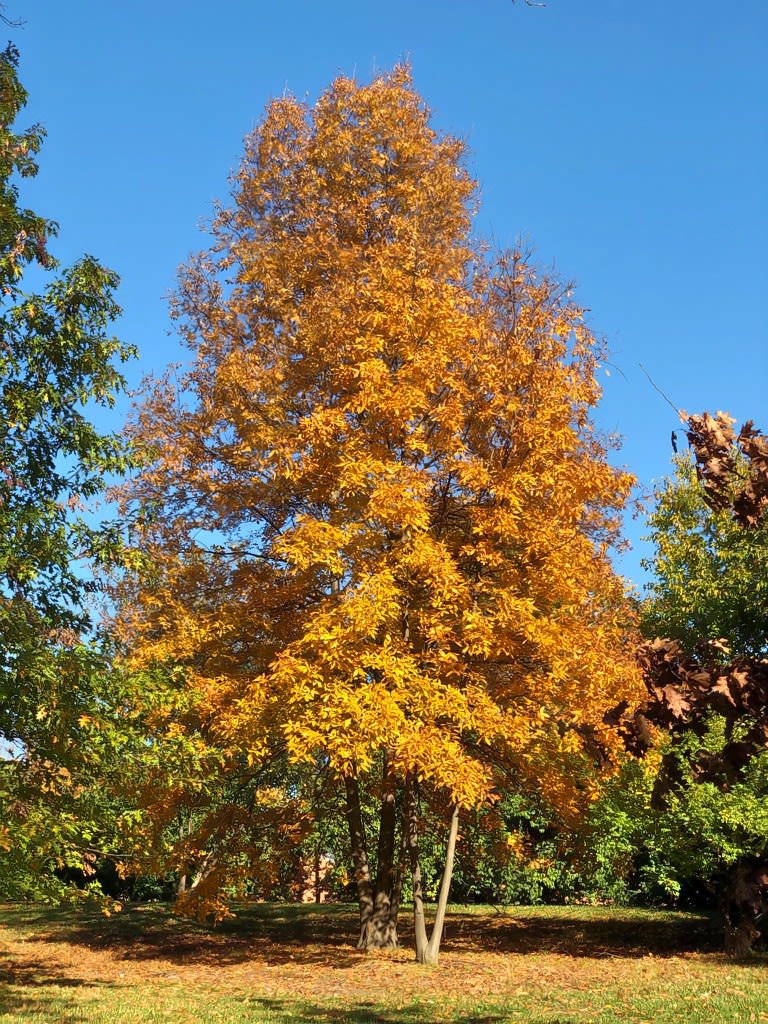
Hickory in fall
Hickory in fall
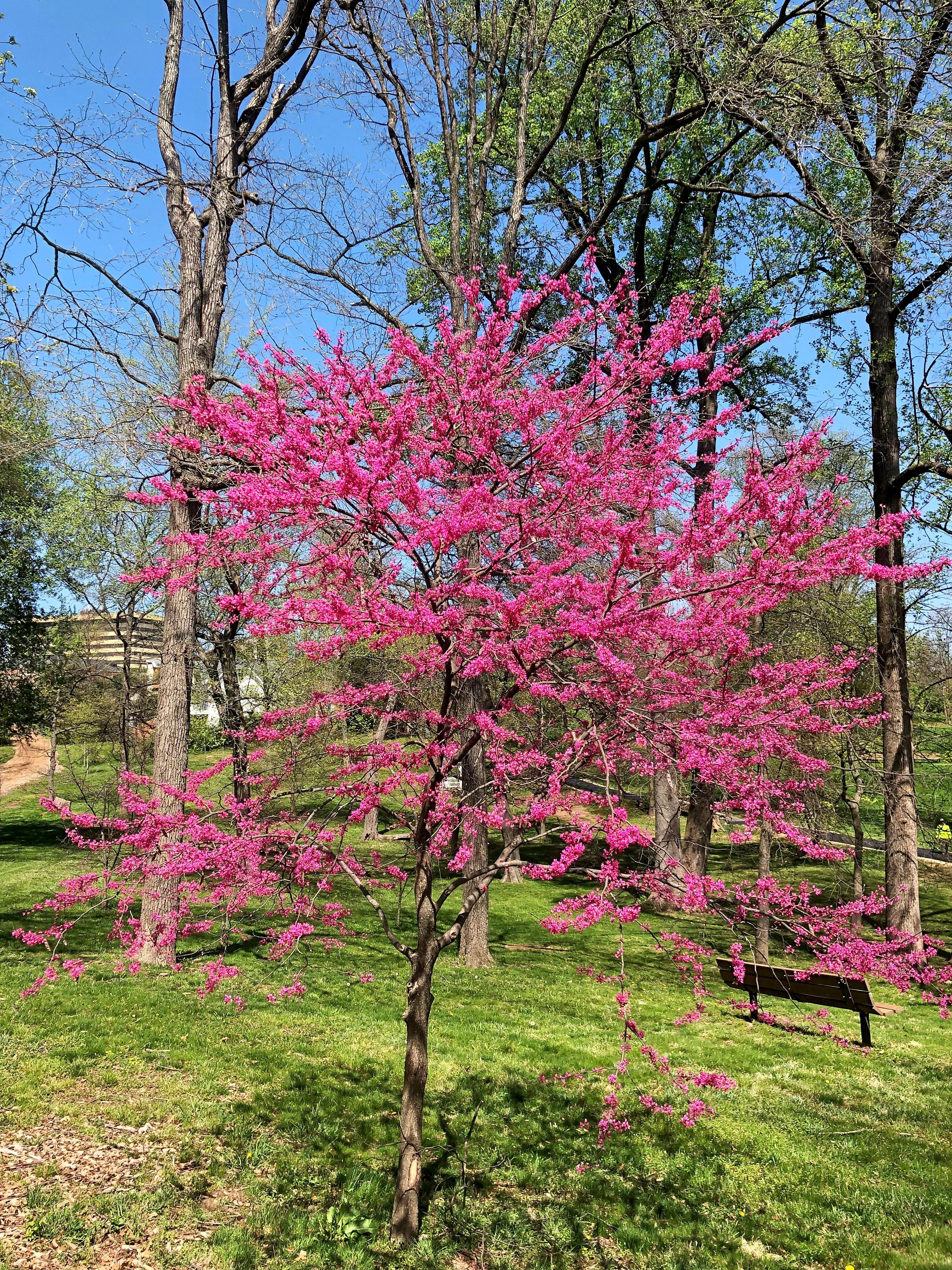
'Appalachian Spring' red bud in bloom
'Appalachian Spring' red bud in bloom
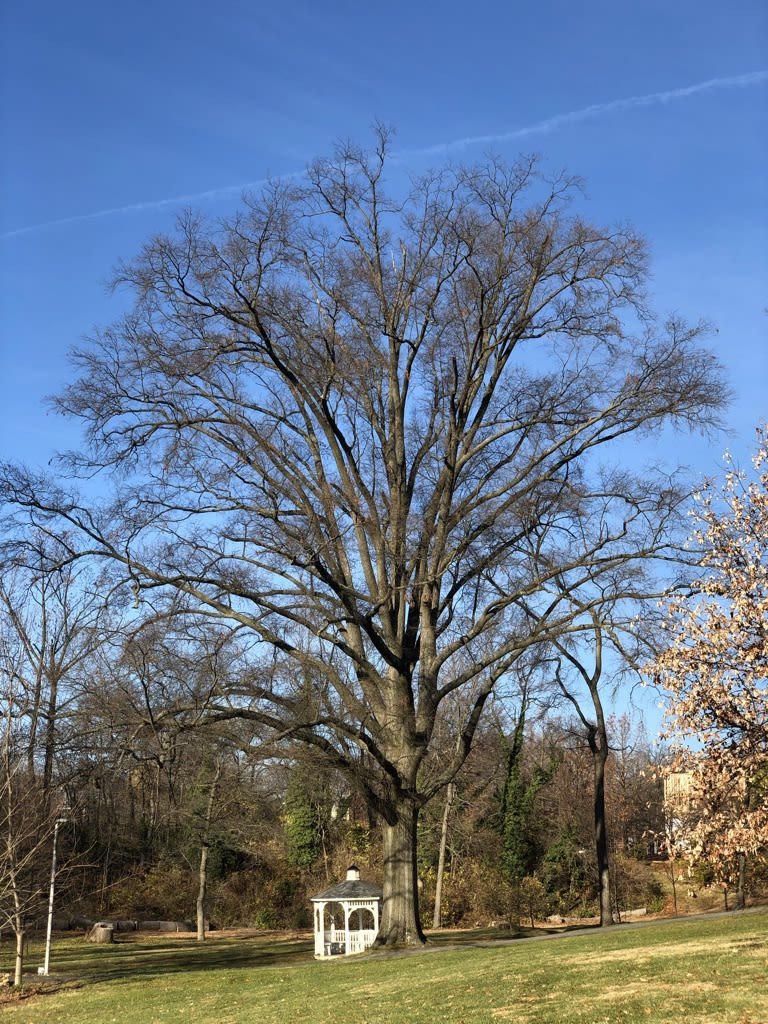
Willow oak in winter, showing its grand architecture
Willow oak in winter, showing its grand architecture

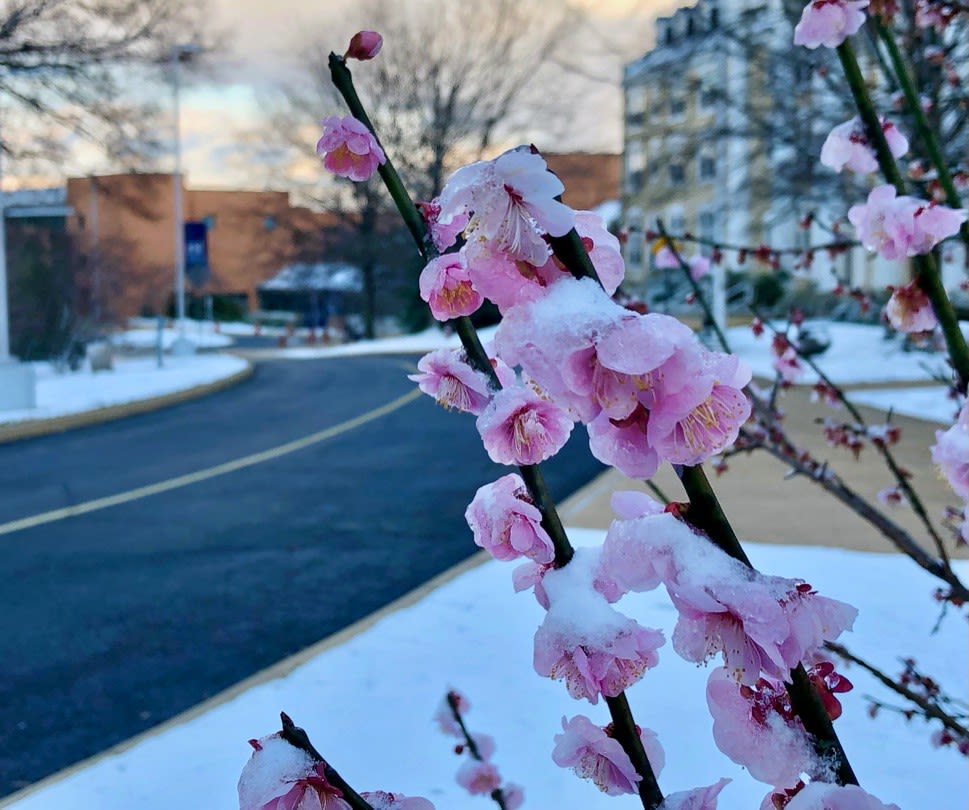
Chinese plum blossom in late winter, early spring
Chinese plum blossom in late winter, early spring

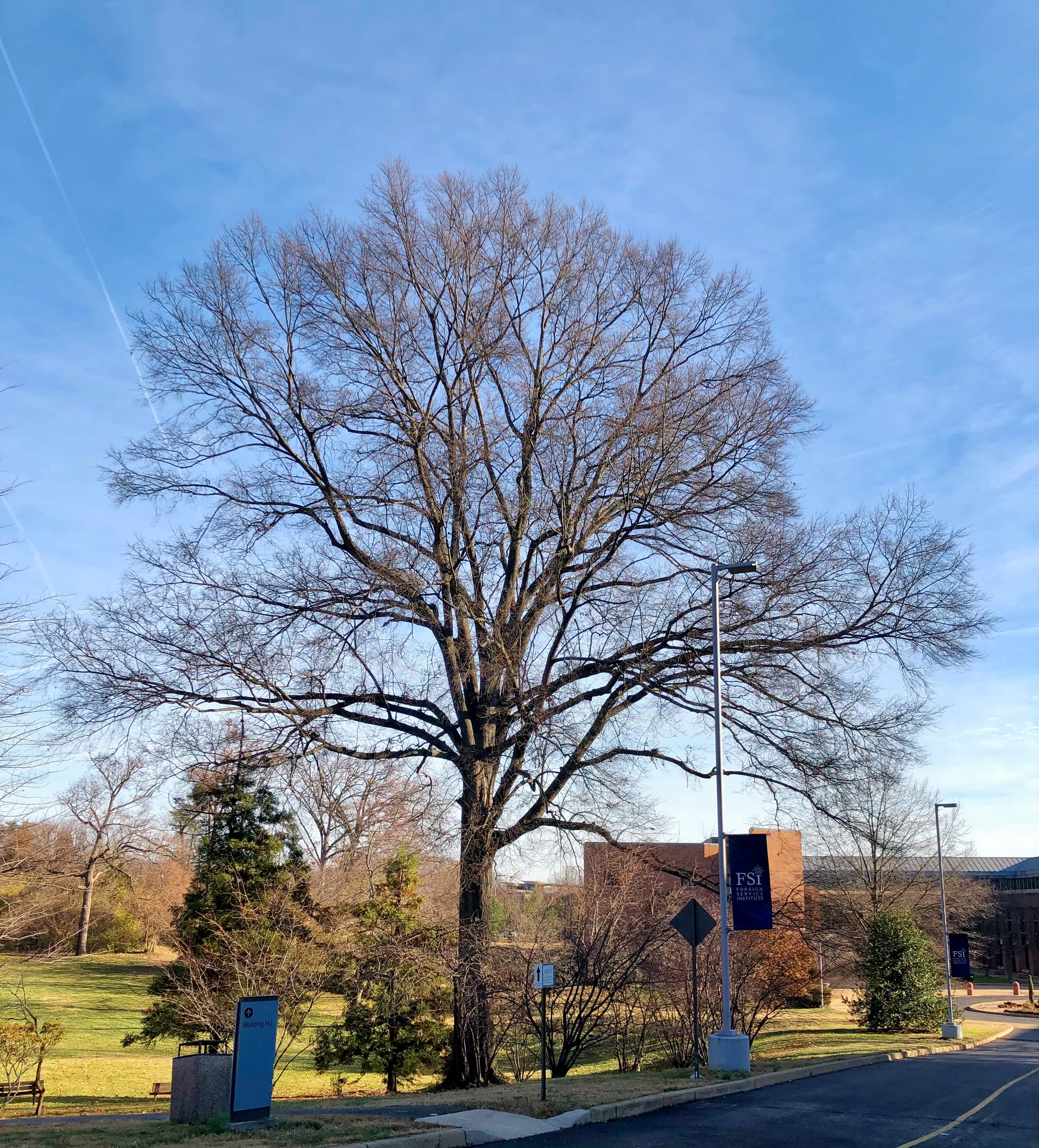
Willow oak in winter
Willow oak in winter
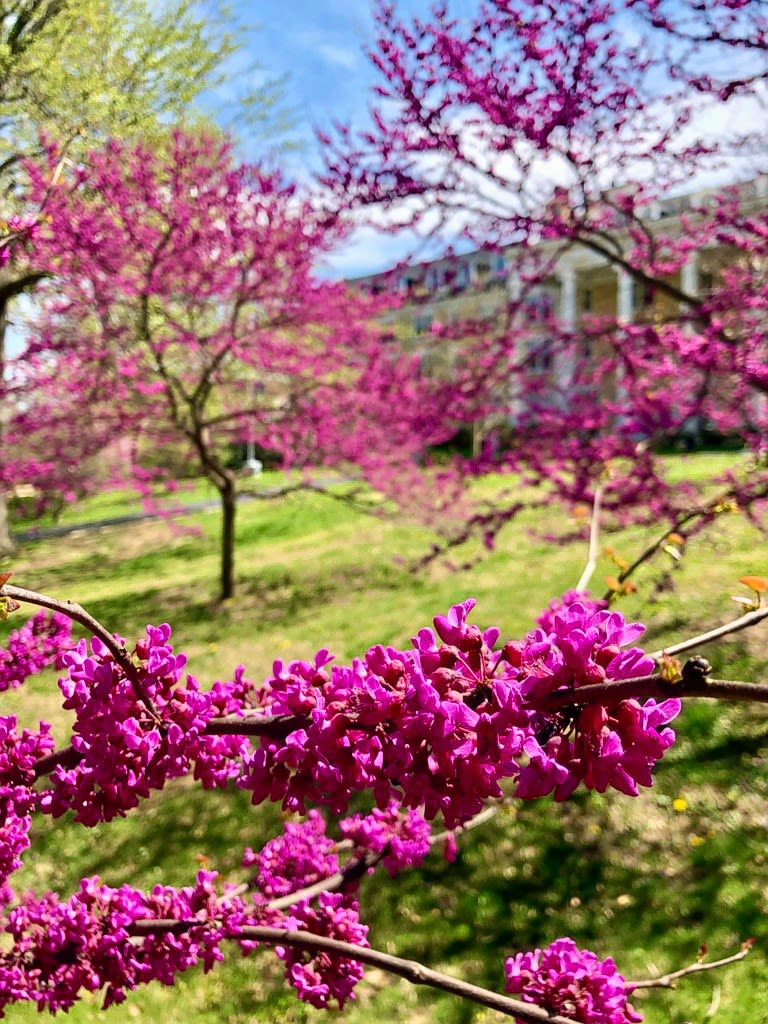
A closeup of 'Traveler' redbud in bloom
A closeup of 'Traveler' redbud in bloom


Through the Years
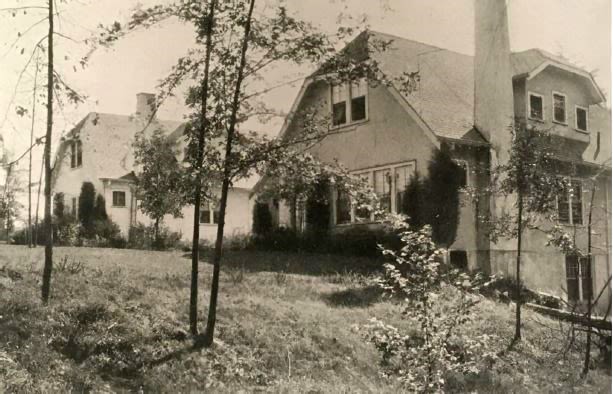
When this site belonged to the Arlington Hall Junior College for Girls during the early 20th century, the school’s brochure effused: “The natural attractions are enhanced by artistic plantings of boxwoods, tall cedars, rare evergreens, and a wealth of flowering shrubs … The Colonial atmosphere of Arlington Hall is emphasized by the beautiful buildings of cream-colored brick with stately white columns … The social life of the college is calculated to implant in the minds and hearts of the girls the highest ideals, and to develop those graces and powers that result in social efficiency.”
The pedagogy of the school’s founder, Dr. William Martin, combined physical health with instruction. Consequently, the Grove once had a pond for water sports. The area of Parking Lot 5–adjacent to the Narrows and the F Building–had an indoor riding arena and stables. The remnants of a basketball court and swimming pool can still be found under the floors, behind the walls, and in the ceiling of the D Building, which was the school’s gymnasium. The stone bridges in the Grove once crossed streams feeding into what was the pond. These bridges are the lasting remains of the school’s physical education program.