
The Grounds at NFATC
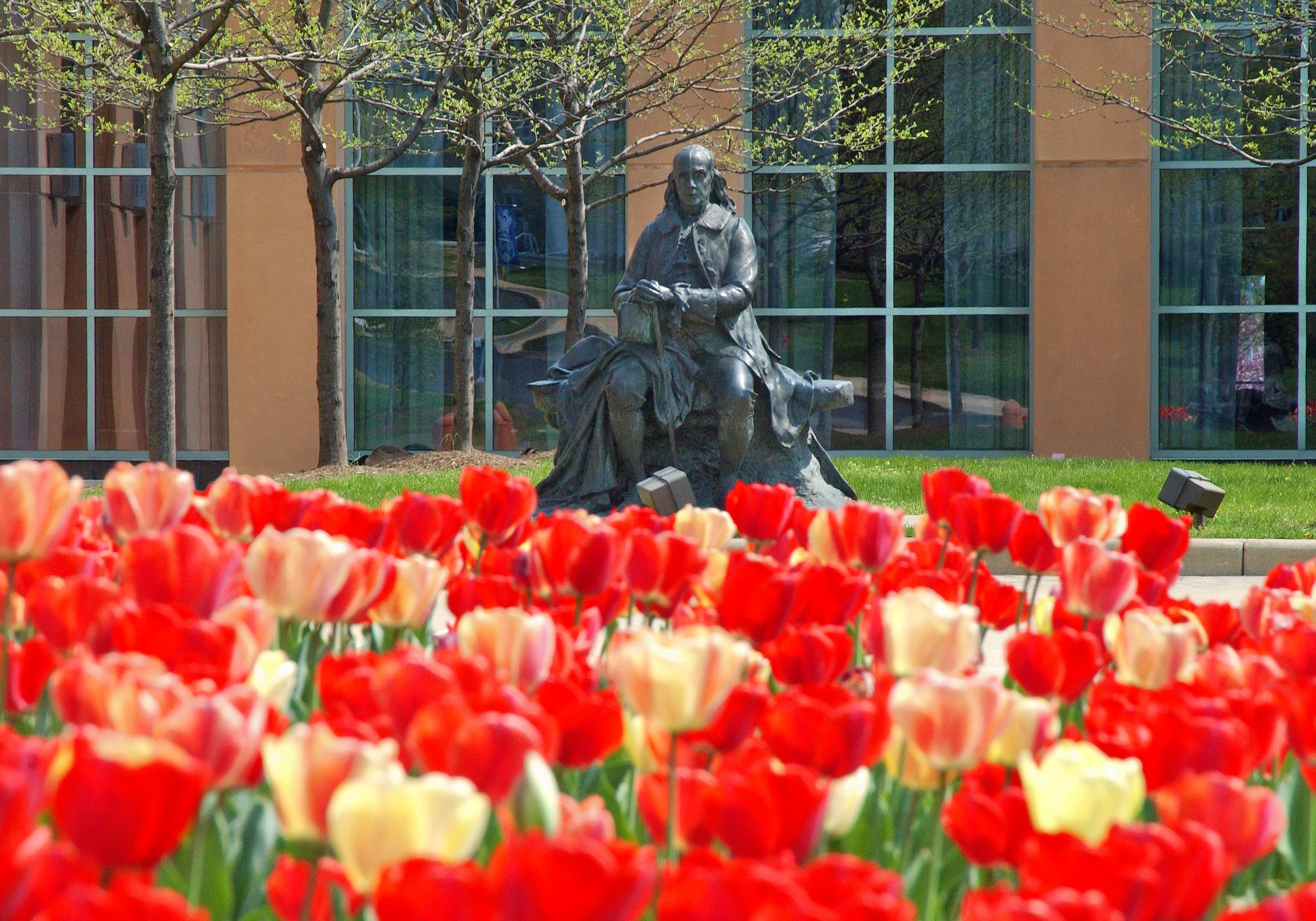

Welcome to the grounds at the National Foreign Affairs Training Center!
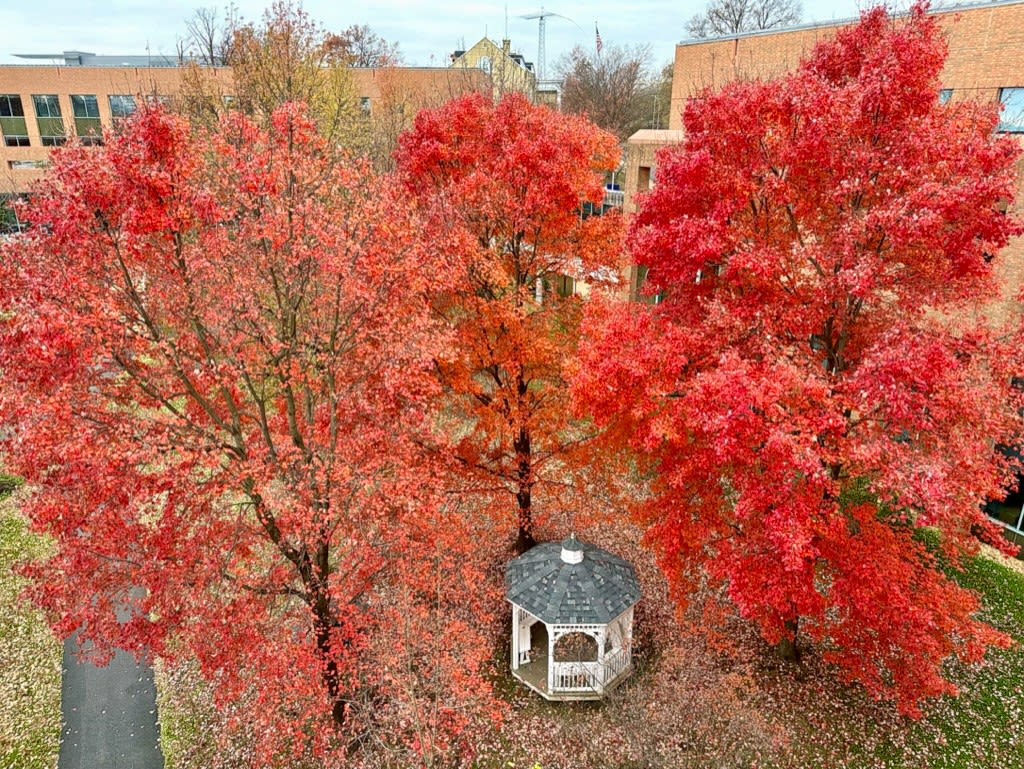
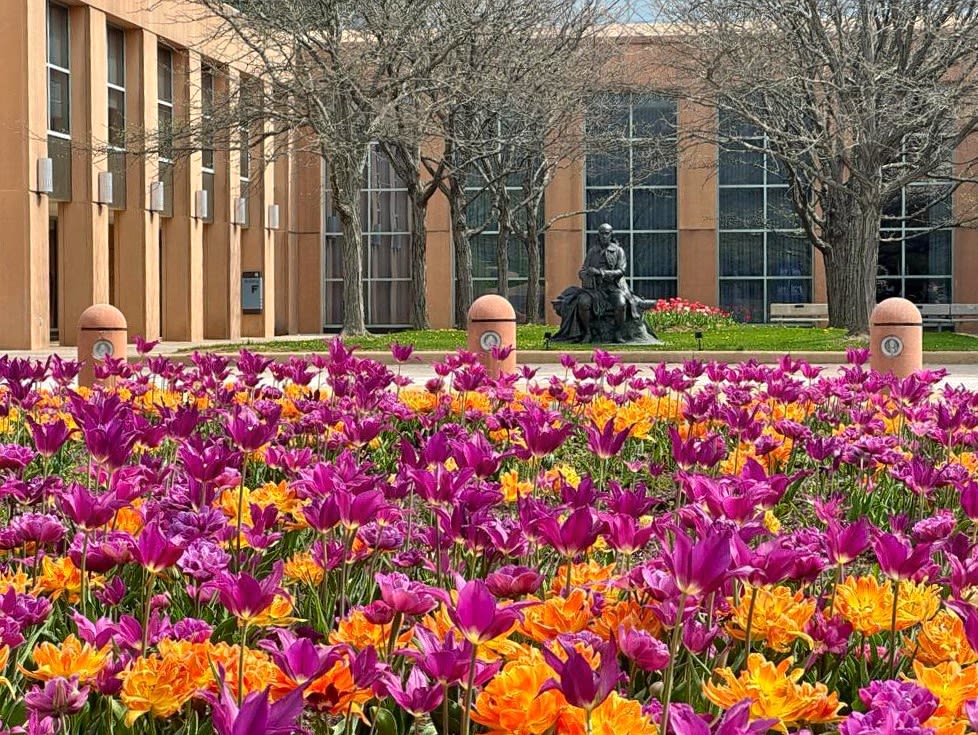
This tour will walk you through notable points across the campus of the George P. Shultz National Foreign Affairs Training Center (NFATC), highlighting gardens and historical sites, while also touching on elements of diplomacy, history, and sustainability.
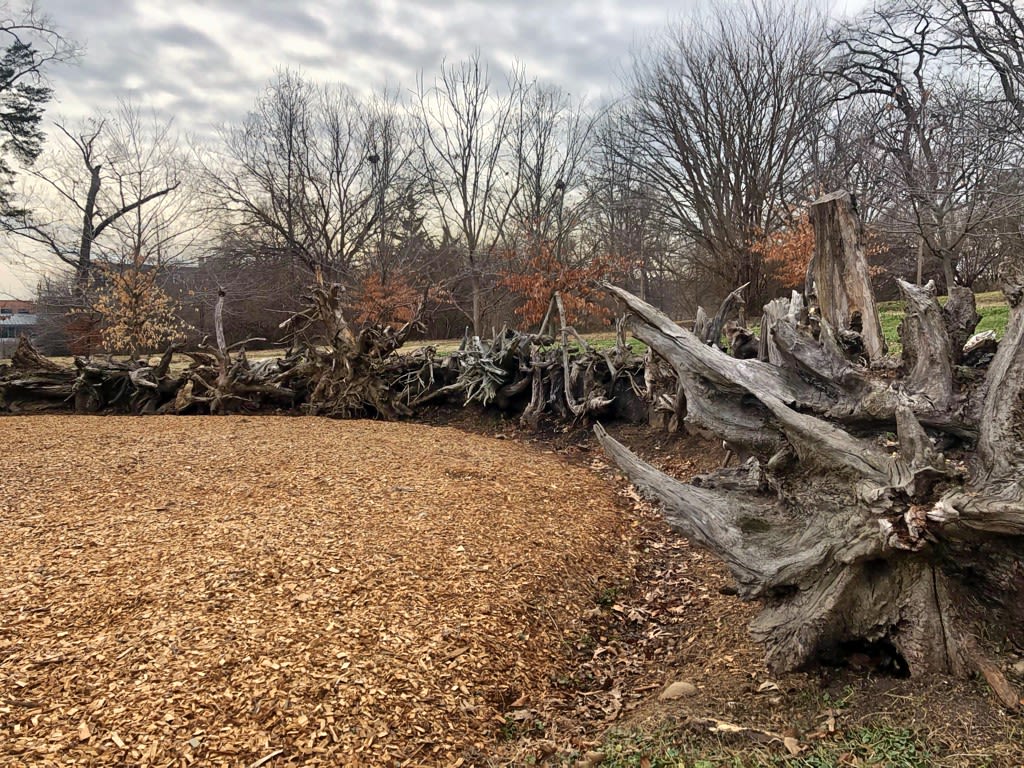
The cultivation of the grounds at NFATC began in 2006 with a few seedlings and a focus on collecting plants from around the world to create restorative environments conducive to learning and communing. The design has eschewed standard planning dogma and has evolved organically, often utilizing reclaimed materials cast from other federal buildings and seedling plants dug from federal property, creating a unique aesthetic. The resulting gardens are rich in diversity and detail and can offer a variety of lessons.
Each point has a sign with a QR code linked to a webpage where you can read about the site and learn about its design, its history, and featured plants. You can also see photos of the gardens through the seasons and listen to NFATC Horticulturist Darren DeStefano describe his vision, process, and related stories. Scan the QR codes using your phone's camera to be taken to the webpage. You may also navigate to each area's webpage using the main menu in the top right corner or the Next and Back buttons at the bottom of each page.



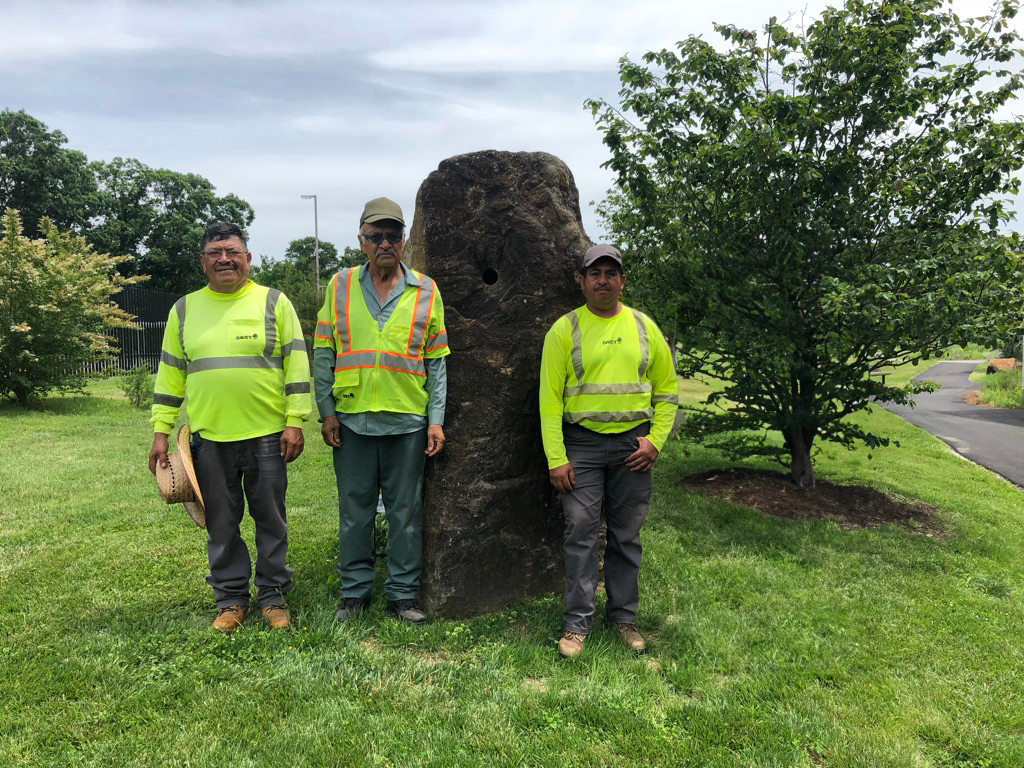

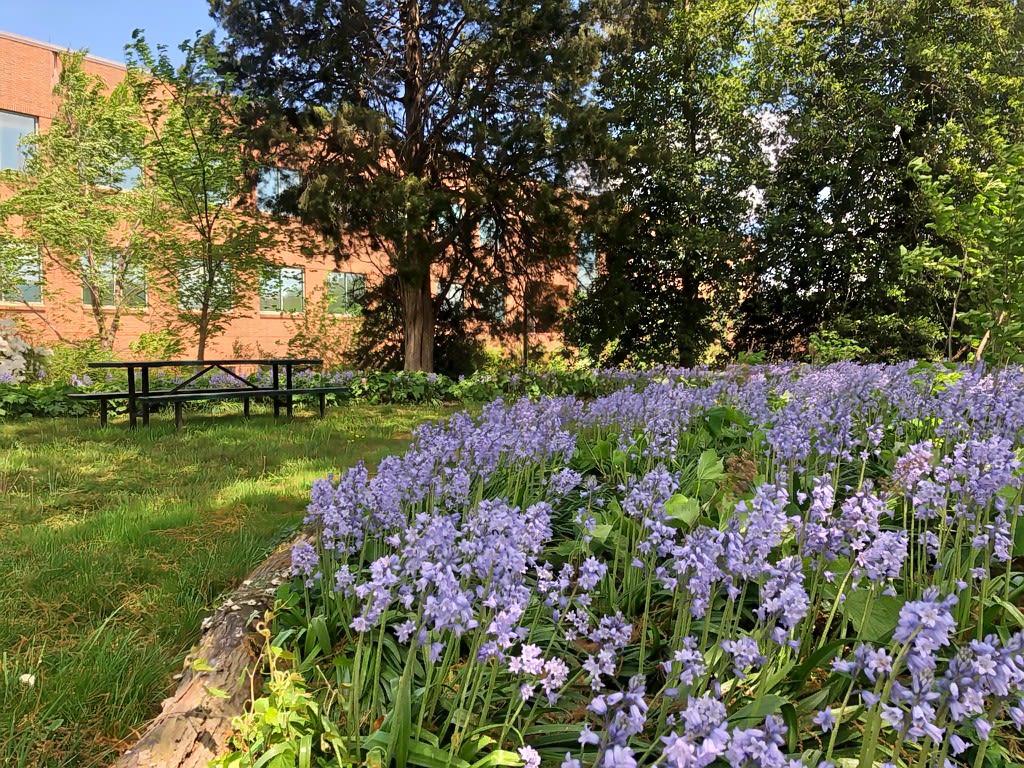

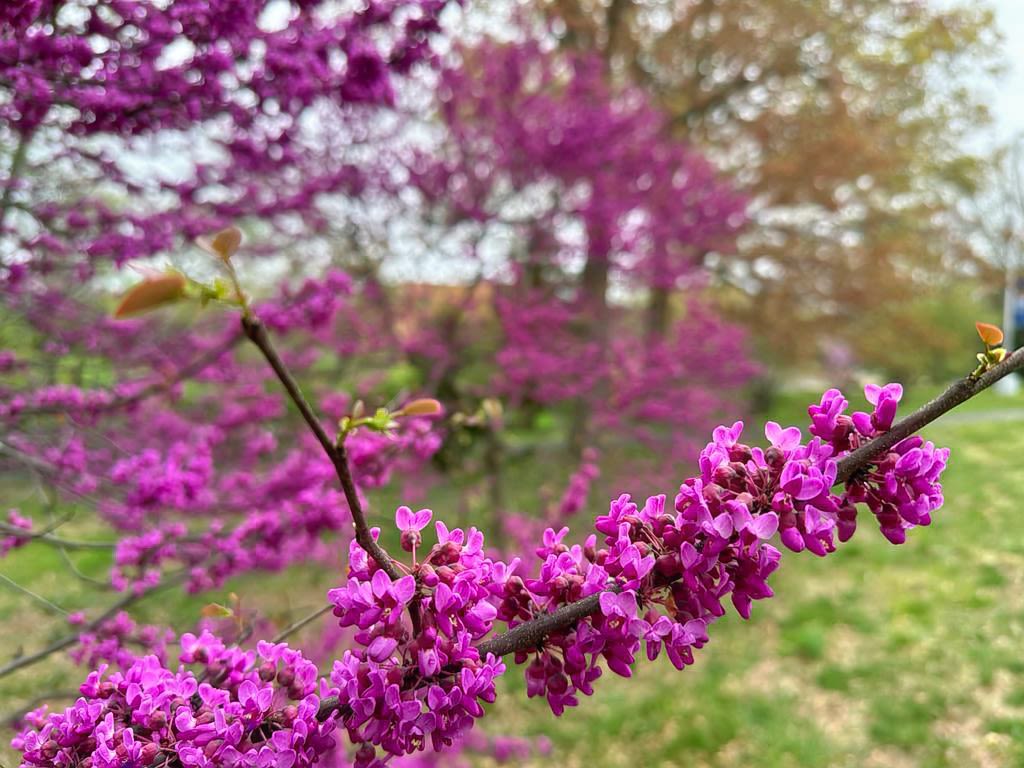





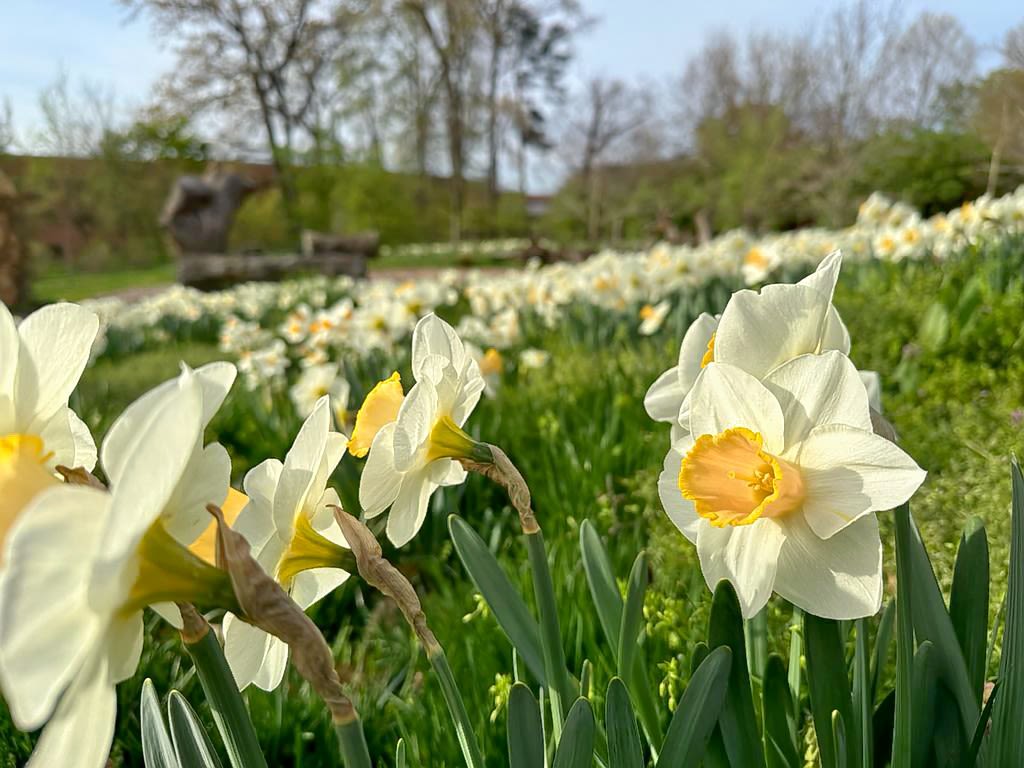
Horticulturist's Tour
In this introduction to the Horticulturist’s Tour, listen to Darren talk about the mission of cultivating the grounds at NFATC and the themes present in the gardens.
Select the play button to listen to the audio as you follow along with the transcript below.
Welcome to the garden at NFATC. I'm Darren DeStefano, horticulturist. When I began designing the spaces at NFATC, the design intent was to create an environment that diplomats could use to develop soft skills.
So, highlight plants that were culturally significant, provide educational opportunities that could bring you further enrichment.
(Scroll to follow along with the audio.)
We also wanted to create an environment that facilitated learning—so spaces that actually could improve your ability to learn a language, to digest a concept.
And finally, we wanted the space to be inclusive. The gardens that are on campus are diverse. It’s not for any one type of person. On campus, as you look around now, you’re likely able to find your niche.
I think often about music, about creating a symphony of plants and how each one is an instrument and has its contribution to the whole. And I also like the concept of tension, right? This balance between wild and cultivated. I like this edge condition when, you know, things are really sharp and you're not quite sure:
“Is that wild? Is that tended? Was that planned?”
I certainly like to provoke thought and to create spaces that inspire, right? That enliven. The point is that you have a space that’s responsive and that you can interact with, that’s not the kind of standard federal fare of mowed grass and sheared meatballs.
Other aspects of the garden that were really sought to be brought out was the art of diplomacy. I mean, I think most people will know the story of the cherry blossoms and how they were a gift from Tokyo in 1912 (opens in a new tab)—but plants play a critical role in diplomacy. And while it might take generations before they really bear fruit, it is a significant element in the diplomatic quiver.
You know, the original American diplomat, Benjamin Franklin, he was exchanging plants in England and gaining favor by doing it. So it was not lost on him how valuable a seed shipment could be. These were significant exchanges that helped lay the foundation of our diplomatic exchange between nations. And I think that Franklin was able to wield plants in order to obtain favor that benefited the establishment of our country.
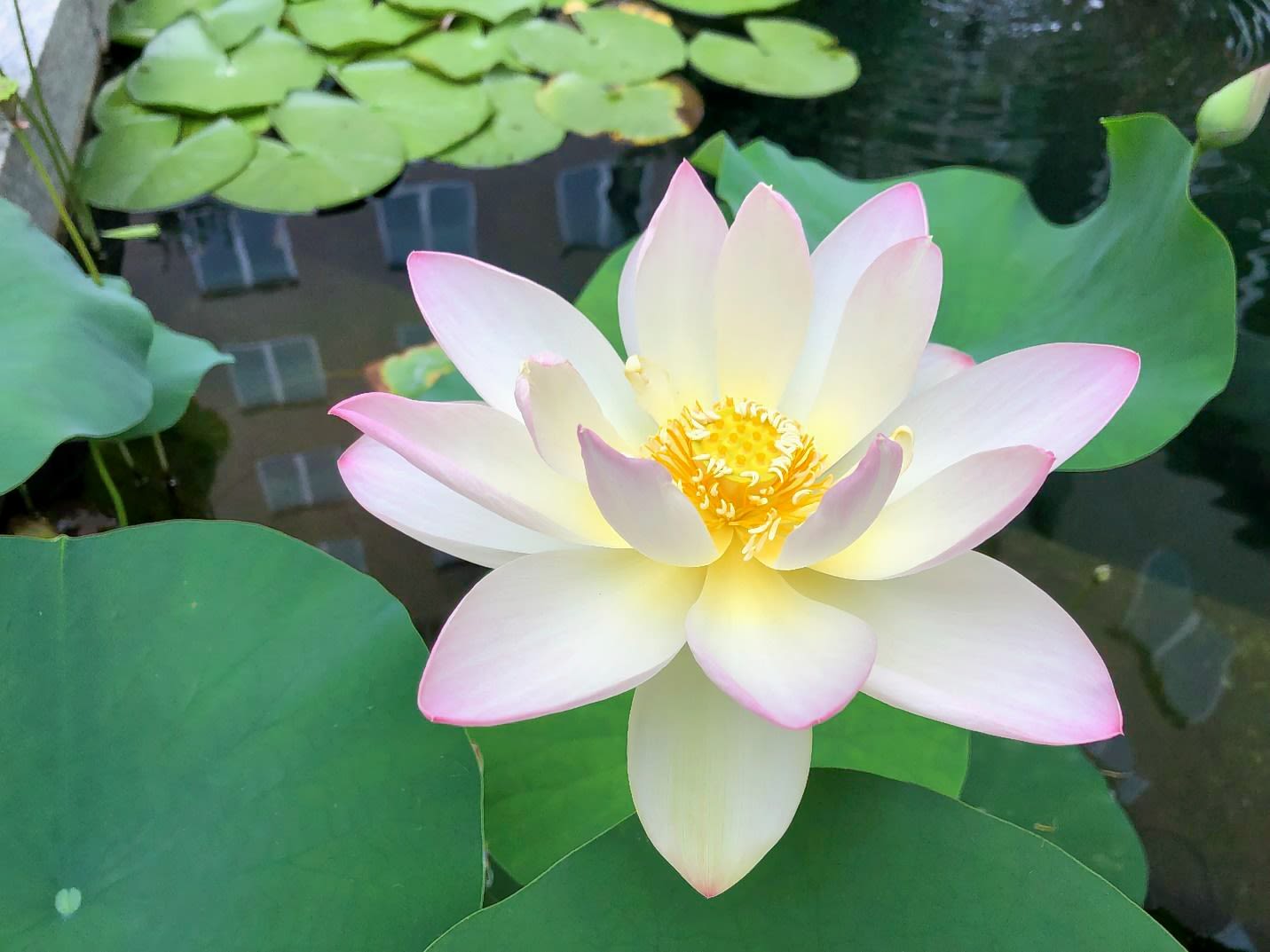
On another diplomatic note, it’s really important to realize the symbolic nature of plants. These can be symbols of national unity, like the cedar of Lebanon, or they can evoke a very strong religious significance like the lotus. And simply emblazoning this symbol on a flag or on a national seal, it sends a message that is much larger than that plant itself. It becomes part of the national identity. And we need to respect and understand the significance of symbols in order to effectively communicate and understand our counterparts in other parts of the world.
This is the tip of the spear of climate change. Over the years of working in the garden, I’ve watched our climate morph. I mean, every year our anomalies in storms or when we have frosts, I mean, the garden has become less stable, and you have to modify in order to ride that wave. I mean, that’s what horticulture is really all about. It’s about growing things and growing them successfully. Meaning you have to work with the weather that you have.
The plantings that I create, the gardens that I create on campus are authentic. They are my expression of soul. And we steward them in a fashion that is to the greatest of our ability. You know? We’re trying to really coax something out of that that ground that can reach out and touch you. And I’m trying to make it so that it brightens your day or helps you learn that difficult piece of language. I’m trying to create spaces where people lead their lives and they’re happy to be in them.
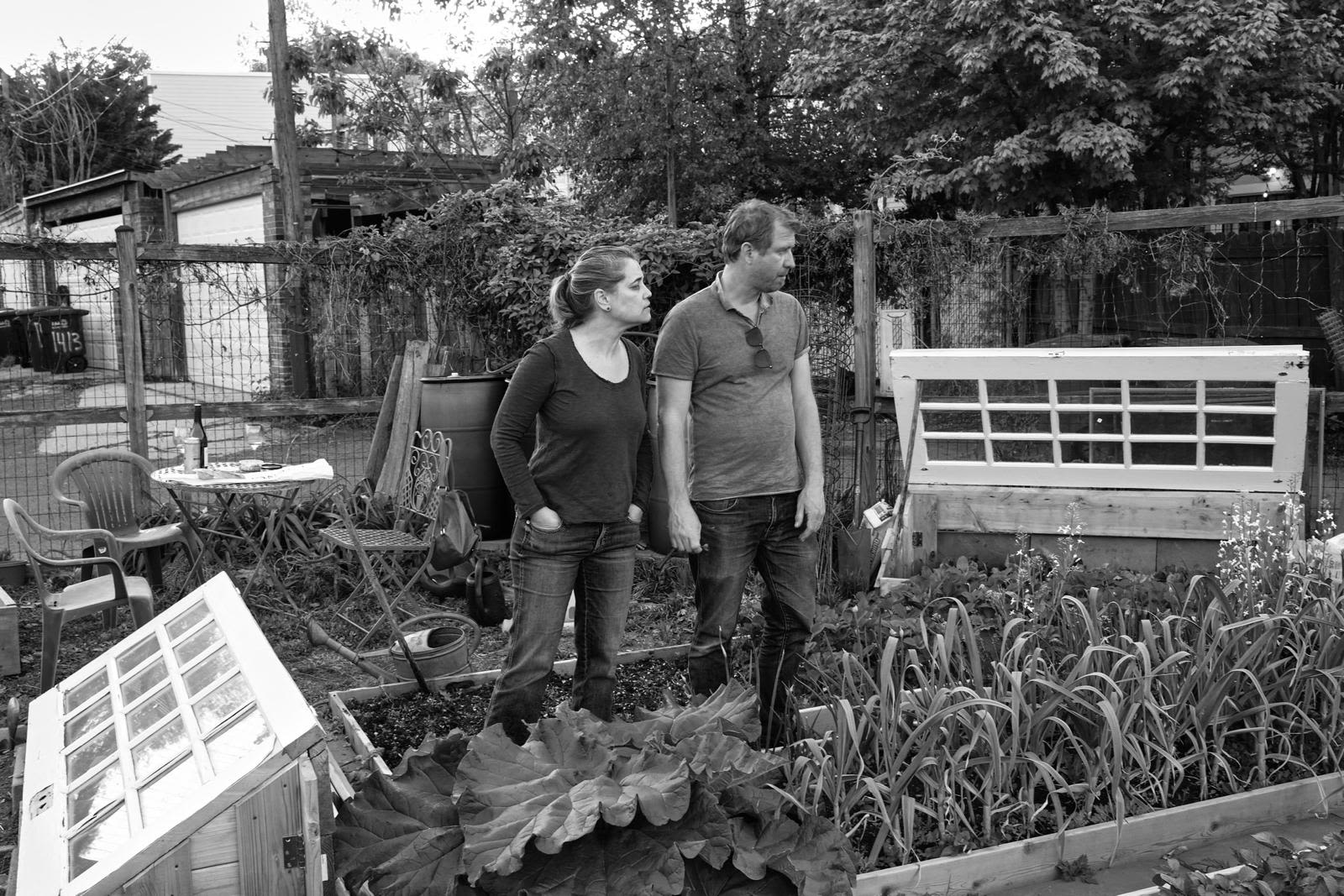
NFATC's Horticulturist
Darren DeStefano has been crafting the gardens at NFATC since 2006 with an emphasis on creating habitats for humans as well as the plants and animals with which we share the Earth. He has worked extensively in the Federal sphere, including developing the plantings at the U.S. Food and Drug Administration White Oak Campus, the Bureau of Alcohol, Tobacco, Firearms, and Explosives headquarters, and the Department of State’s Harry S. Truman Building.
Why the Gardens at NFATC Matter
Plant Diplomacy
Plants have been employed in the service of diplomacy since the foundation of the art. As symbols they can evoke hallowed ground, confer prestige, and are able to demonstrate a level of cultural fluency that can be subtle and profound.

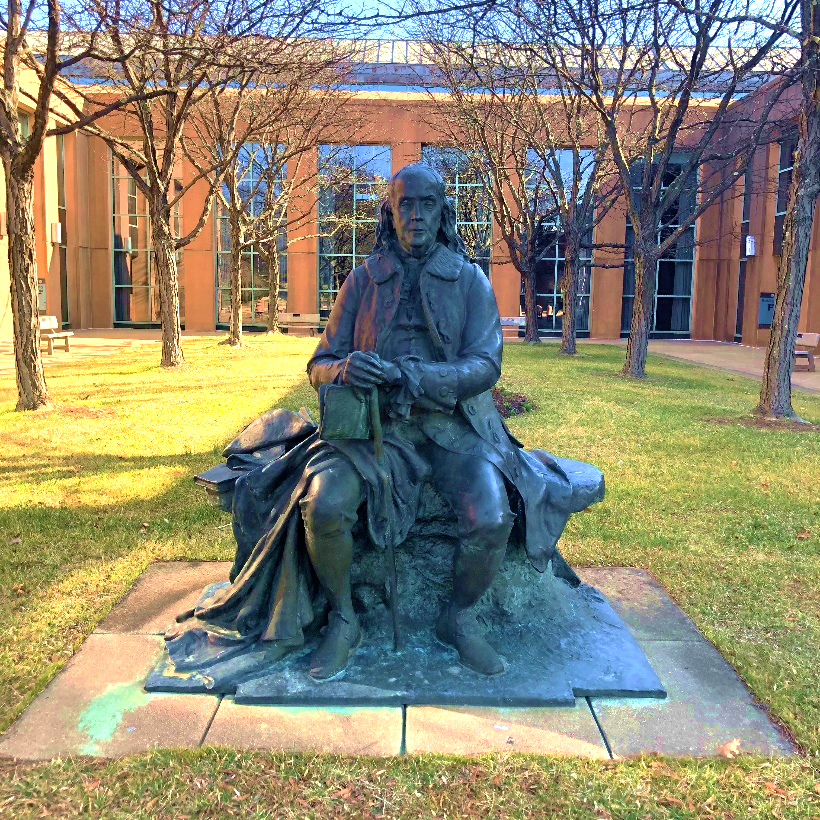
Plant diplomacy can be traced to the founding of our nation with Benjamin Franklin facilitating seed exchanges between William Bartram, the first American botanist, and the royal courts of England and France, where exotic species were showcased as curiosities. Perhaps the most enduring example of plant diplomacy in America are the thousands of flowering cherry trees that adorn Washington, DC, a gift from the mayor of Tokyo in 1912 and now a hallmark of the city. The most recent example is the French government's presentation of an oak tree from Belleau Wood, in recognition of the 1,811 soldiers who gave their lives on that soil in World War I.


The George P. Shultz National Foreign Affairs Training Center (NFATC) is named after the former secretary of state who thought of diplomacy as a garden and the diplomat as a gardener (opens in new tab)—a craft that requires observation, commitment, cultivating relationships, and building resilient networks.
Listen to NFATC Horticulturist, Darren DeStefano, expand on Shultz's gardening metaphor and how gardening and diplomacy connect.
Select the play button below to listen to the audio. Selecting "Transcript" below will reveal the transcript.
Transcript
Darren DeStefano: So George Shultz, the distinguished Secretary of State for whom the Foreign Affairs Training Center is named, he used the metaphor of the diplomatic garden and the diplomat as a gardener.
So a garden is a dynamic environment where tending is required to achieve a desired outcome, while a landscape, in contrast, is a dynamic environment that is untended and evolves through natural forces alone. Think of Yellowstone, Shenandoah. We can view the world as a landscape, or we can view it as a garden.
So we can reap what the landscape yields without intentional influence. We can hunt and gather. Or we can influence the trajectory by tending it without truly controlling it. In Shultz’s metaphor, the tending is the work of the diplomat. For a gardener, tending can be defined as the act of cultivation.
Cultivation is a key term. It’s from Latin, cultīvātus, meaning "tilled" or "prepared for growth." In the human context, it's come to mean "refined," one that's developed knowledge and skills through training. In the garden, cultivation begins with knowledge. Knowing what you're dealing with and what we've learned about it in the past is key to success. But in practice, it requires keen observation and listening.
Plants have a language, but it's unspoken. And perceiving it is a derived skill. You need to read and process signals, then translate that information to develop a response. You need to recognize nascent stages of maladies in order to avert catastrophes. Patience is important too. Plants operate on a different timescale, and it can take years for a tree to bear fruit.
Like the diplomatic garden, the environmental garden is influenced by forces that are beyond our control. The gardener cannot wheel a creation to be as a carpenter does, but can influence outcomes by preparing fertile ground and creating conditions where plants can thrive. Great gardens are resilient. They respond to environmental conditions and adapt. While the gardener might be perceived to be in control, the reality is less absolute.
The depth and meaning behind Shultz's metaphor and how it reveals his worldview and sense of mission is powerful and a lesson for us all.
Sustainability
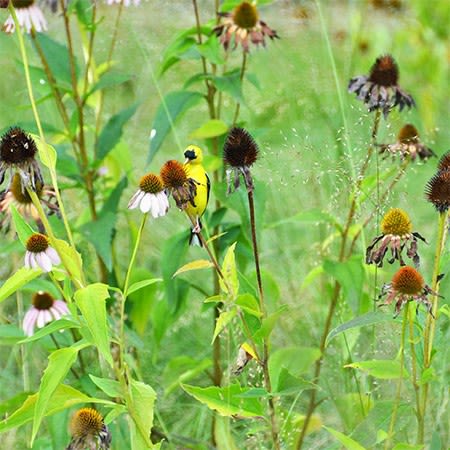
The gardens at NFATC are key to the sustainability efforts of the Department of State. Hundreds of trees have been planted on the property since the initial development of the facility in 1991, as well as thousands of perennials and grasses. The campus is registered as a wildlife habitat and is an important resource for migratory and regional birds.

Stormwater management is integral to the cultivation of the gardens, and regenerative stormwater conveyances have been created and managed on campus since 2011. A 10,000 square foot green roof has covered the Grove Atrium since 2013.
Great care is taken to preserve mature trees and manage the soil, and no pesticides or chemical fertilizers are utilized in the general grounds maintenance.
Through the Years
The NFATC campus is located on the former site of the Arlington Hall Junior College for Girls, which opened in 1927. Beginning in 1942, when the U.S. Army’s Signal Intelligence Service took possession of the site, the site became known as Arlington Hall Station. The site was transferred to the Department of State in 1989 for the purpose of building the home of the Department’s training entity, the National Foreign Affairs Training Center, which officially occupied the site in 1993.
NFATC is the U.S. Government’s premier foreign policy training center. Established in 1947, the Center has continually prepared the foreign affairs professionals in the Department of State and other agencies for the challenges of today’s world. Members of the foreign affairs community serving in over 190 countries rely on NFATC to help establish the skills they need to promote the interests of the United States, articulate American values, and implement U.S. foreign policy across the globe.