The Narrows
The Grounds at NFATC

Enjoy the geometry and planting of this long, slender corridor between the F Building and interior fence. The layout pinches the concrete path through the Narrows, with an evergreen stand of loblolly pine screening the parking lot to the east and a serpentine hedge of beautyberry and widely spaced sycamores to the west.
The vast majority of the trees were planted as seedlings in quart-sized pots in 2011. With the seedlings now maturing, the Narrows is one of the nicest stretches while walking the loop around campus. It also offers several pockets for seating and taking a break.







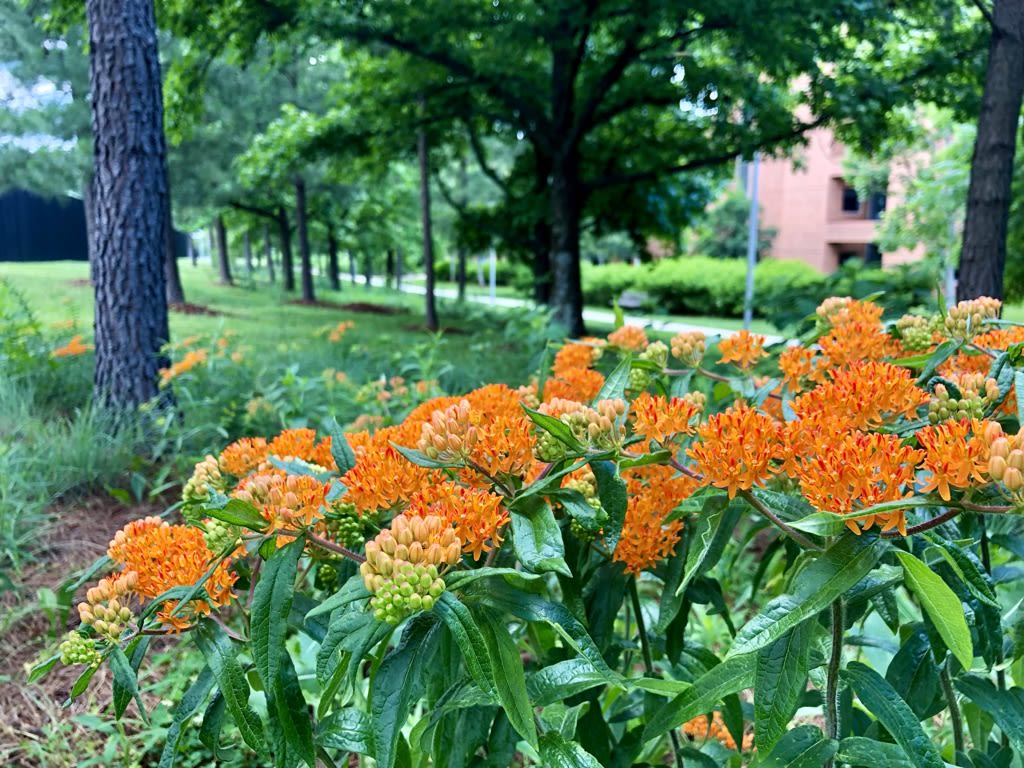
Horticulturist's Tour
Listen to NFATC Horticulturist Darren DeStefano discuss designing the Narrows to embrace its thinness.
Select the play button to listen to the audio as you follow along with the transcript below.
This is probably my favorite stretch of the campus loop.
I really designed it in the beginning to emphasize this tightness. It’s the narrowest part of campus in between the building and the perimeter fence. And rather than try to open it up in any way, I decided to make it tighter. So, I planted this evergreen screen on one side and a serpentine hedge on the other so that you’d really walk right through this chute.
(Scroll to follow along with the audio.)
This was the first planting I did where I employed a lot of seedling trees. So, when almost all of the trees in this space were planted, they were no taller than my knee. And they were species that generally aren’t used in landscape plantings.
There’s loblolly pine, which is generally a timber species, and there’s black locust, which is generally considered a noxious weed, although it’s a native plant. And I planted them in really high number.
The other plants in here are these sycamores. They’re the white trees, the largest that grow in the East. And I gave them ample spacing and really planted them at a 2-inch size, at a normal kind of standard street tree planting size, and laid them out with specific intention, right? Knowing that this is where I wanted them to go and to celebrate their magnitude and massiveness rather than, you know, pile them together, as I had done with the other species here.
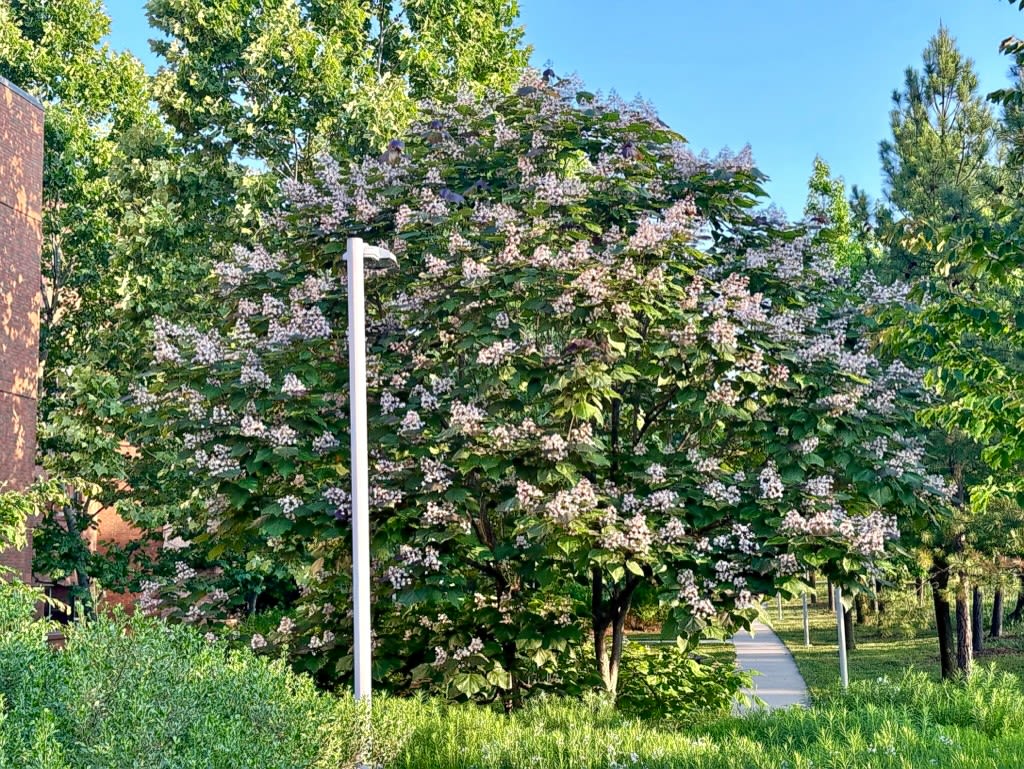
The other plant to really note in the space is in the triangle. It’s the Catalpa x erubescens, it's a purple leaf Catalpa, a really rare species and also planted as a seedling. There’s a pair of them set really tightly together that kind of bookends the space on one side while the copse of locust occupies the other.
It’s a great space because of, first of all, the nice feel of the walk, but it’s also a great space to sit on a bench or to take in a table. It’s blocked from the western light, so it’s cool at the end of the day. It’s got a lot of shade. There’s also a lot of privacy. I think a lot of people would refer to this as the back of campus. So, it’s often only discovered by real staff, by those that are in this space often or that walk the loop.
When I come through it now, I generally marvel at how large the plantings have gotten. And that’s one of the great pleasures of gardening, you know, watching things grow and especially watching things grow beyond your expectations, beyond what you thought you would really see.
I remember there was a degree of concern that I was just planting these tiny things and that it was going to take forever in order for it to become something, but here we are 10 years later, and we walk underneath of those trees, and it really has created a great feel to the space.
Featured Plants

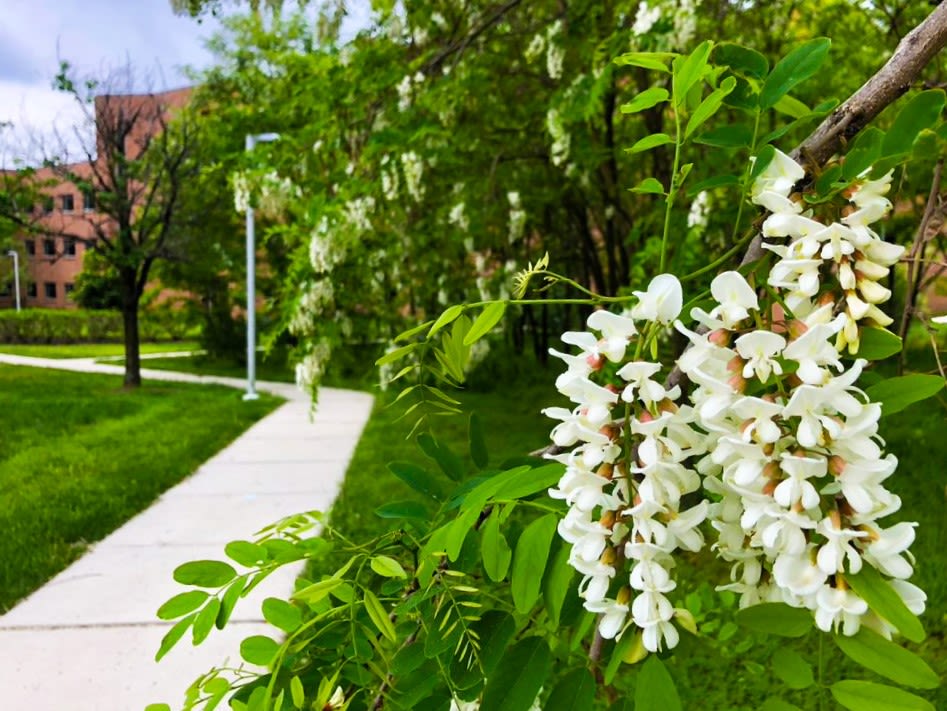
Black locust
Black locust

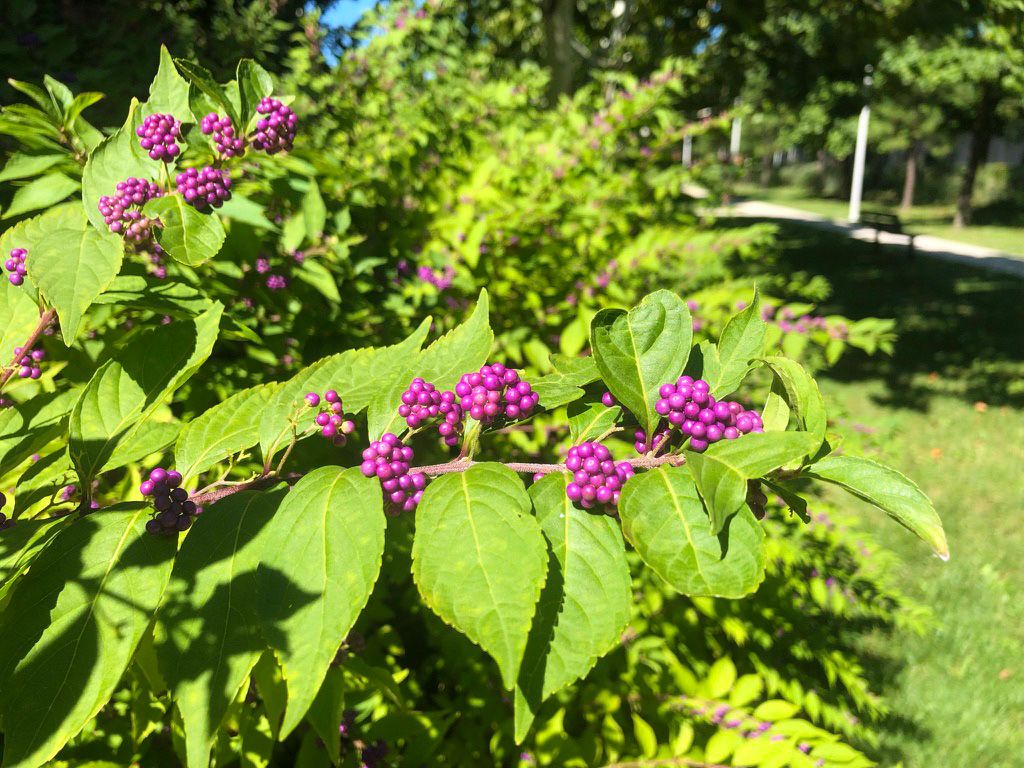
‘Issai’ Beautyberry
‘Issai’ Beautyberry

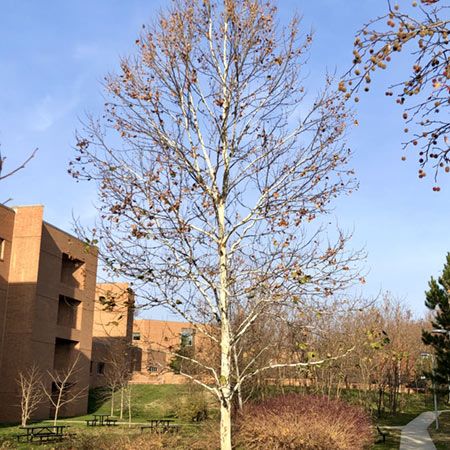
‘Yarwood’ Sycamore
‘Yarwood’ Sycamore
Black Locust
(Robinia pseudoacacia)
Black locust is a legume in the bean (Fabaceae) family, native to the Appalachian Mountains of North America. It currently enjoys a global presence due to its incredible adaptability.
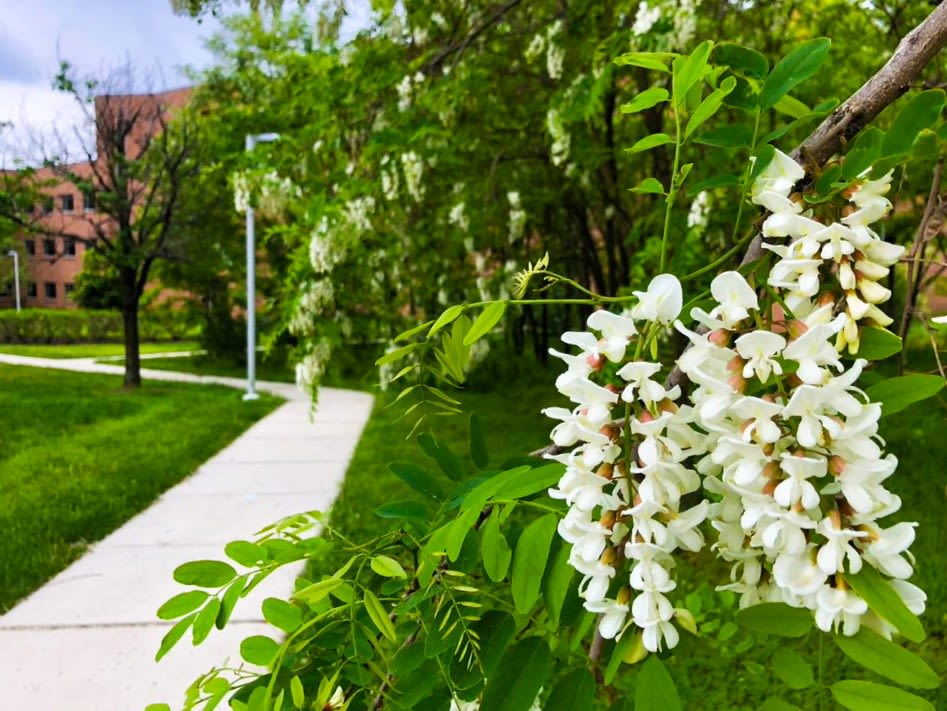
These trees prefer disturbed sites where they leverage their ability to fix nitrogen from the air and self-fertilize. Despite their aggressive thorns and thuggish nature, these trees have a softer side with delicate, feathery, compound foliage that provides dappled shade. They are adored by bees for their pendant clusters of white flowers, which offer a heady scent and can appear regal in the right setting.
The timber is legendary with incredible tensile strength, resistance to rot, and high heat value. It’s the material of old Appalachian fence posts and an eco-friendly alternative to teak.
Despite its ornamental and forestry attributes, black locust has a conflicted reputation, respected and reviled in equal measure—a species that remains beyond true cultivation and often bears the brand of weed.
The copse of black locust at the edge of the Narrows was planted as whips—a forestry term for young unbranched seedlings—in 2012.
Digging Deeper: Select to read more on Black Locust
Black locust is a strange case of Dr. Jekyll and Mr. Hyde, or perhaps just a misunderstood victim of its own success.
Back in 1601, Jean Robin, gardener to the French crown, sowed a small bean in the damp soil in front of the Church of Saint-Julien-le-Pauvre, part of a shipment he received from North America. It is now the oldest tree in Paris and came to bear the name Robinia.
The tree was the charm of the garden. Fast growing with delicate compound leaves and pendant racemes of fragrant white flowers in May, it became popular in gardens across Europe. It proved useful too, yielding strong, durable wood that burned exceptionally hot and could grow on poor soils in hot and dry conditions. It gained the name, locust, from Jesuit priests for its bean pods, which resembled the carob or locust bean tree of the ancient Middle East. It would later acquire another tree name, Pseudoacacia, for its resemblance to the flat topped trees of the African savannah.
Europeans carried the locust across the globe, planting it in Australia, Asia, and Africa for reclamation and erosion control. But at some point, there was just too much of a good thing.
Black locust is a legume, and as such, it has the superpower of being able to fix nitrogen from the atmosphere and fertilize itself with the help of symbiotic bacteria in its roots. This adaptation gives it a distinct advantage in its ability to tolerate poor and disturbed soils while lending rapid growth. Add to that the ability to spread asexually by a suckering root system that multiplies when cut back, like a hydra, and you have a formula for one of the first global invasive species.
What seemed a blessing turned into a plague as the locust grew and spread beyond control. This plant’s precocious nature ran roughshod over delicate grassland ecosystems and invaded industrial margins like railway tracks and vacant property. It is now labeled a noxious weed all over the world, including in its homeland, where its planting is prohibited in the Midwest and New England. A native invasive.
However, it appears the pendulum is swinging back. Its durable timber is now being specified in green buildings in lieu of ipe and teak. Its adaptability once again is proving useful in the era of climate change. The story of black locust is as Milton wrote: “knowing good and evil, that is to say knowing good by evil.”
‘Issai’ Beautyberry
(Callicarpa dichotoma ‘Issai’)
This beautyberry is a deciduous shrub in the mint (Lamiaceae) family, native to eastern Asia where it grows along margins of temperate forest. Graceful arching woody stems are festooned with clusters of tiny pinkish flowers in late spring followed by true purple fruit in autumn, which persist past leaf drop into early winter, providing a stunning and long-lived show, especially against an early snow.
Flower production is on new wood, so plants are cut back to ground level in late winter to encourage a profusion of long branches that will ultimately bear fruit. Distinctly undemanding, beautyberry remains a vibrant green across the growing season and rarely looks tired. It wants little in the way of fertilization or water but does appreciate a degree of afternoon shade.
The serpentine hedge of beautyberry planted behind the F Building in 2010 are ‘Issai.’
‘Yarwood’ Sycamore
(Platanus occidentalis ‘Yarwood’)
Sycamore is a large deciduous tree in the plane tree (Plantaceae) family, native to riparian areas—wetlands next to rivers and streams—in eastern North America.
Juvenile brown, platy bark exfoliates with age to reveal a ghostly mottled white skin, making the trees instantly recognizable from a great distance, especially during winter, when runs of trees denoting streams and wetlands are clearly visible from byways across the mid-Atlantic. Among the most massive and towering trees of the East, its substantial girth is matched by broad stretching canopies of large, deep-green leaves. The only thing small about this tree is its seeds, which are borne in single spherical clusters that turn from green to brown and hang from the branches like ornaments prior to drying and dispersing in the wind as tufts.
Their European cousins are the pleached specimens of promenades across the Mediterranean from Cannes to Naples, as well as the Methuselahs found in ancient quarters of Istanbul and Rome. The hybridization of the two species gave rise to the London plane tree, the quintessential tree of urban parks, now planted in cities worldwide.
The specimens in the Narrows are ‘Yarwood,’ an almost pure white cultivar, planted in 2011. They have proven to be the fastest growing trees on campus.
Through the Seasons
Select each of the images below to zoom in and learn more.
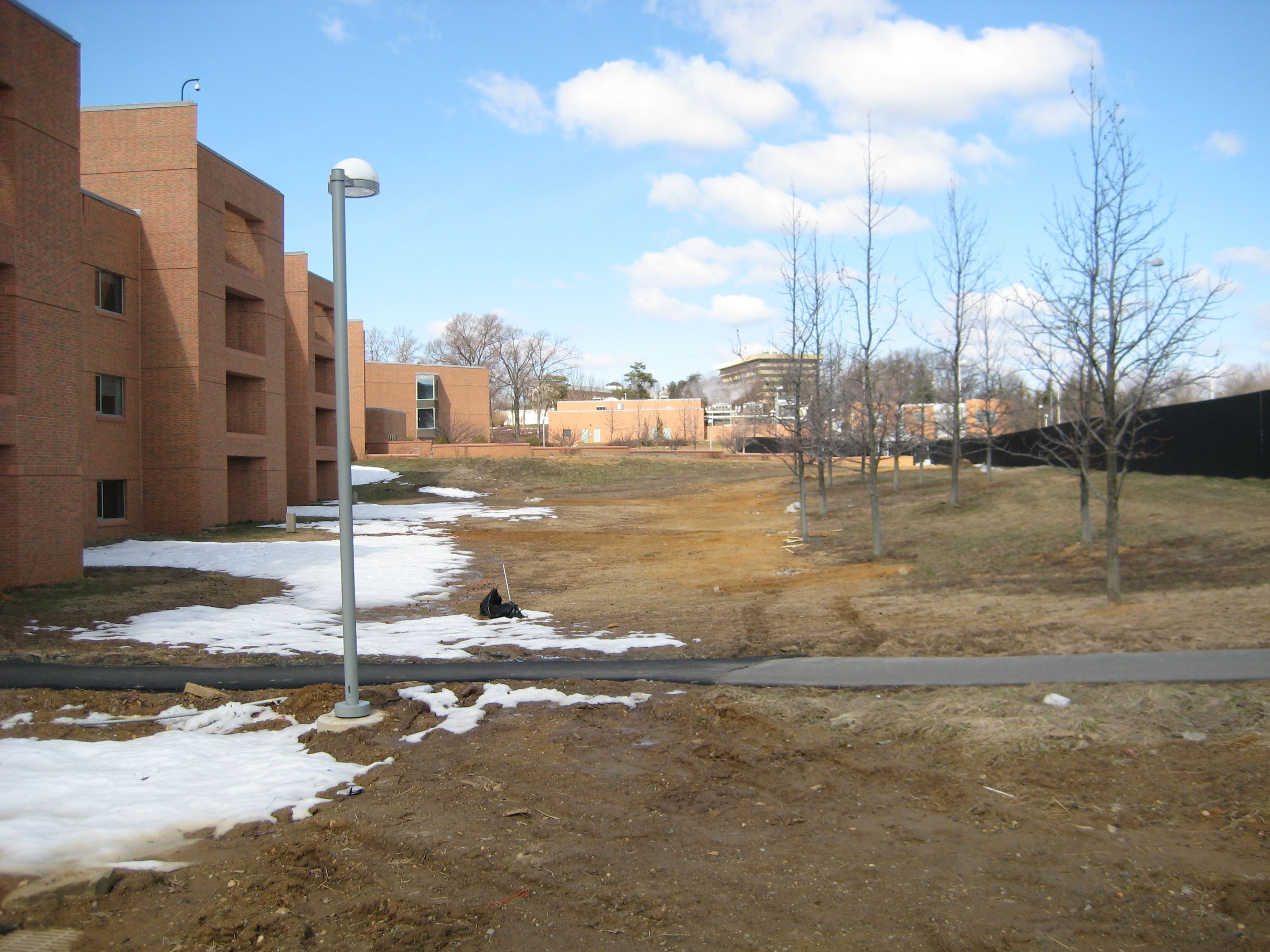
The Narrows prior to construction of the path that traverses it
The Narrows prior to construction of the path that traverses it

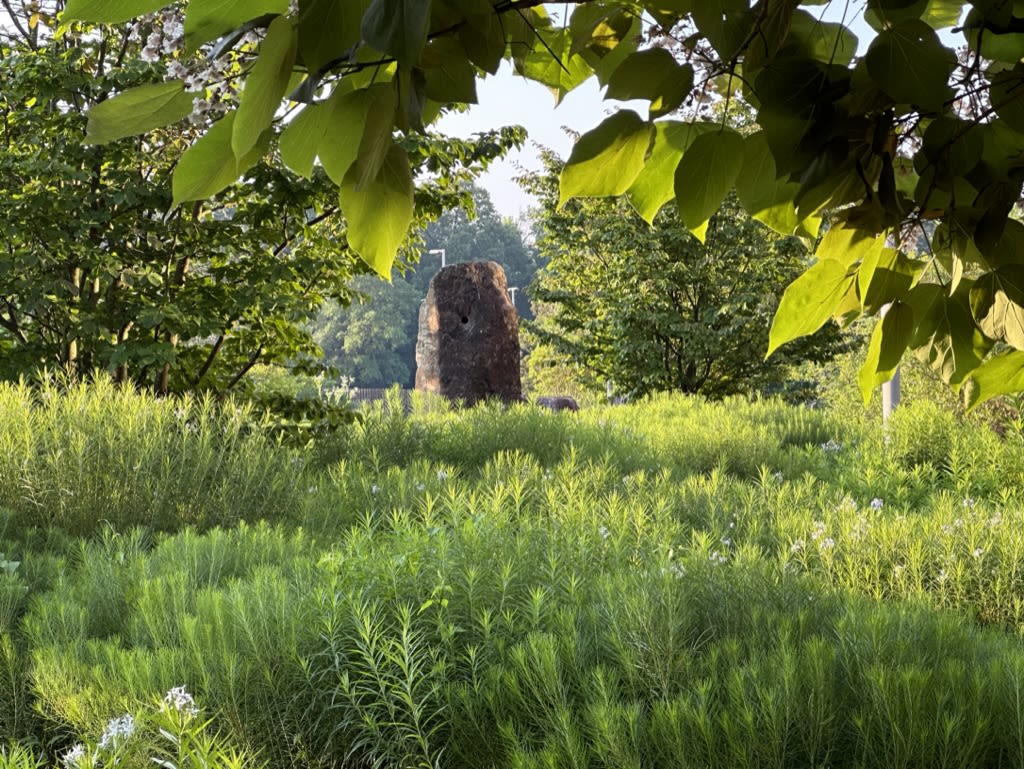
View of the Rock of Valls Noyes from the Narrows
View of the Rock of Valls Noyes from the Narrows

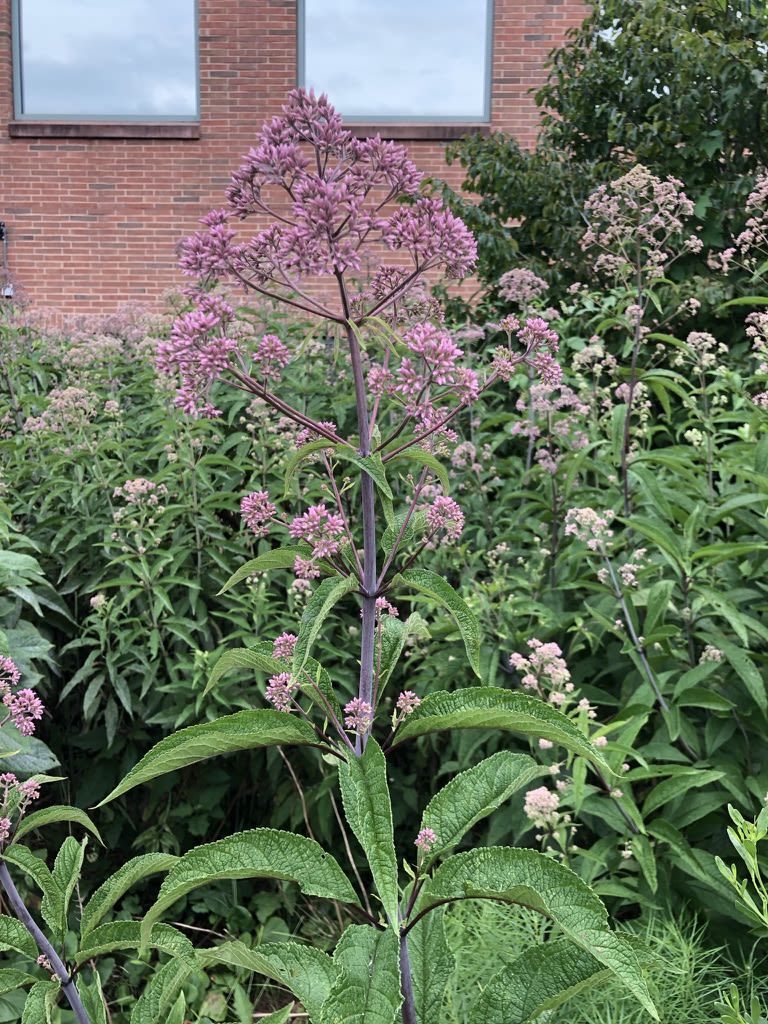
Joe-pye-weed in bloom
Joe-pye-weed in bloom
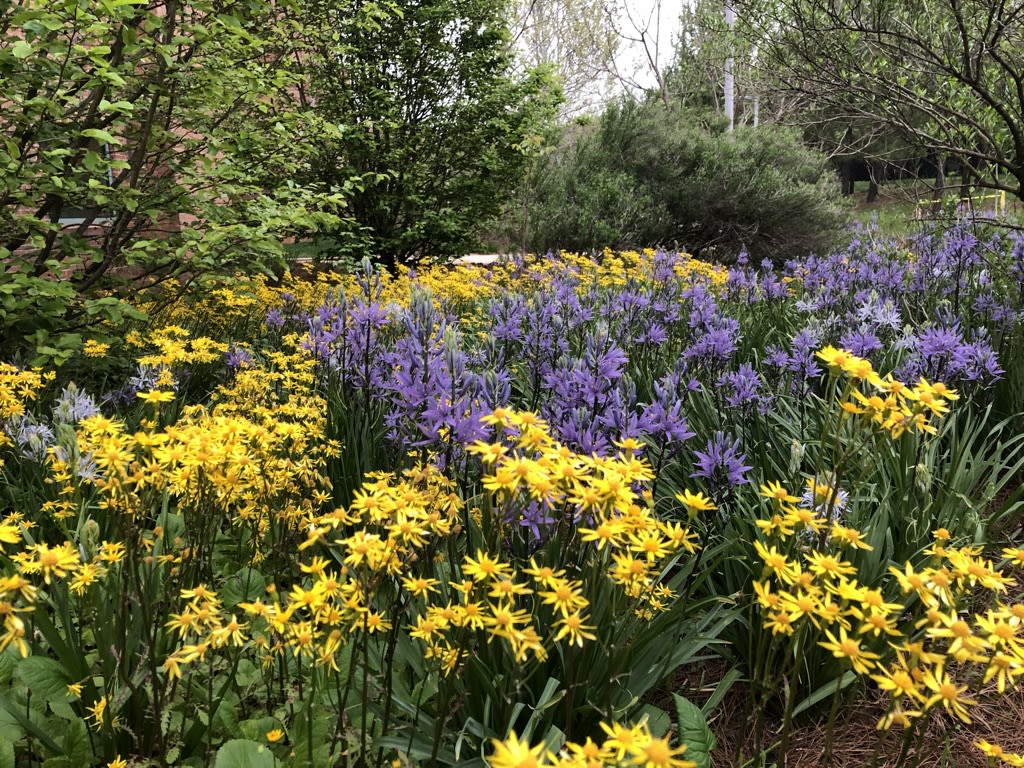
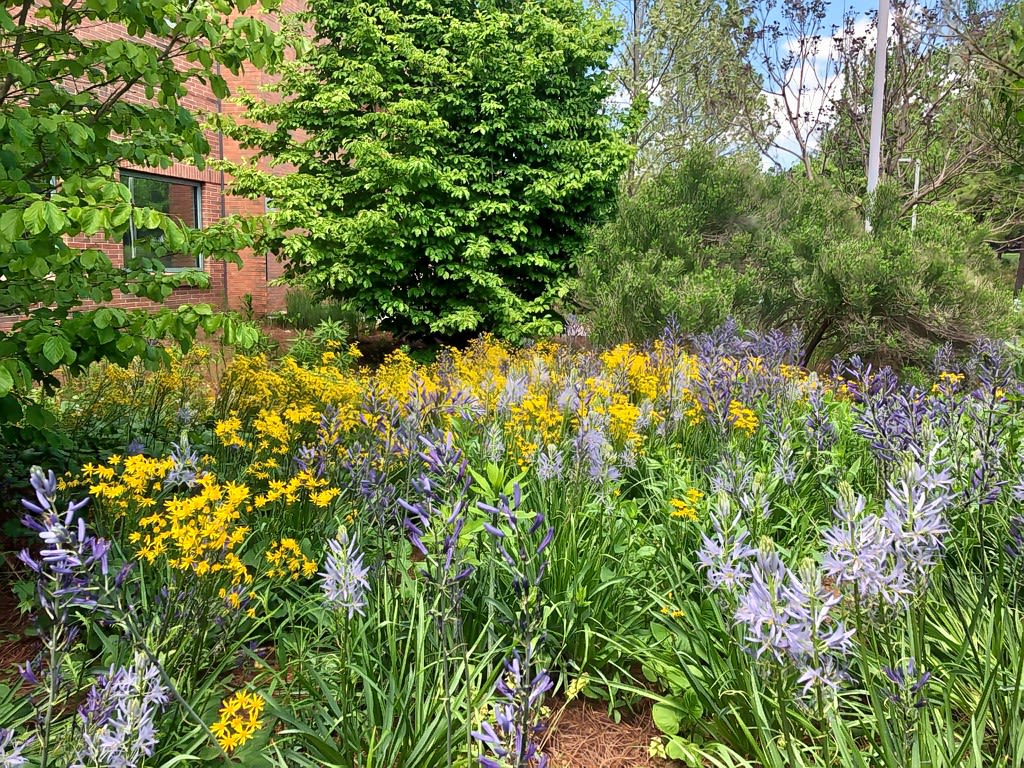
Golden ragwort and camassia in bloom at the south end of the Narrows
Golden ragwort and camassia in bloom at the south end of the Narrows
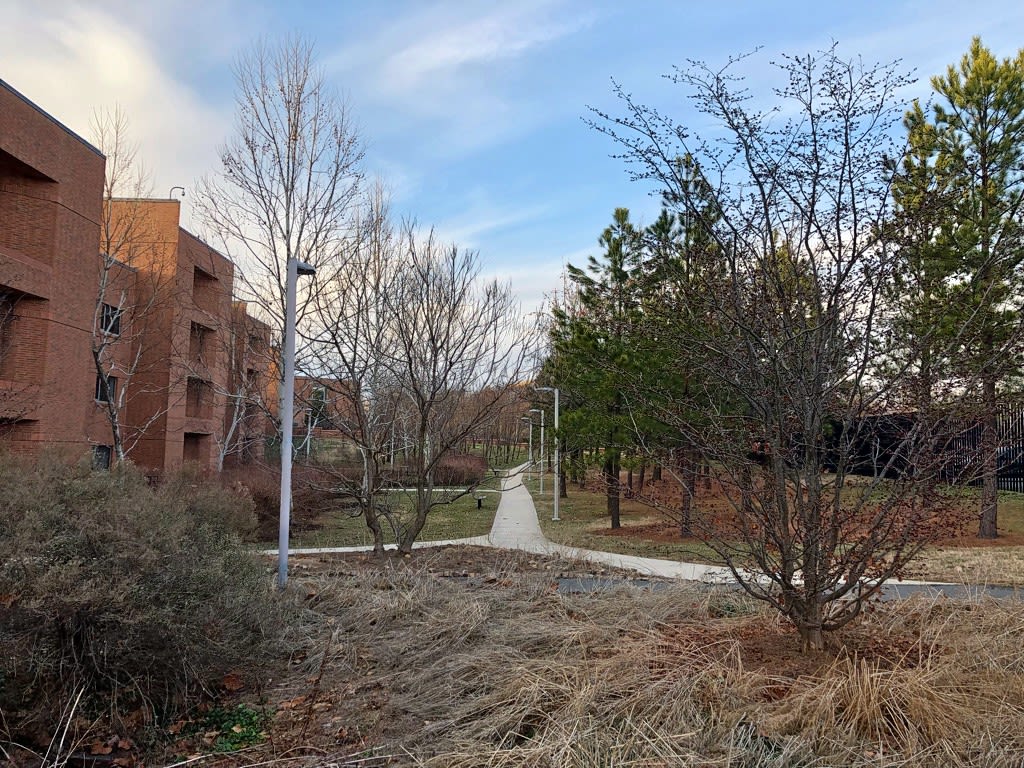
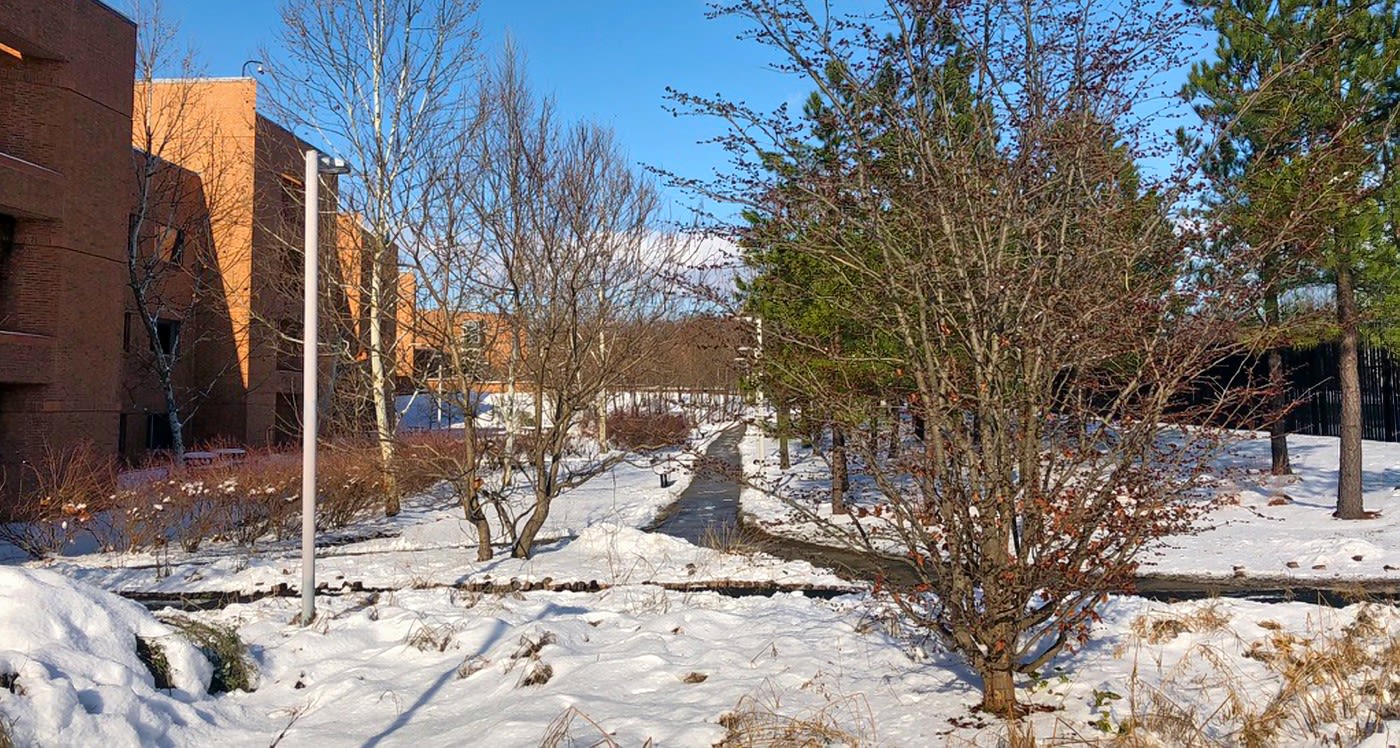
The Narrows in winter, with loblolly pines on right and sycamore on the left
The Narrows in winter, with loblolly pines on right and sycamore on the left
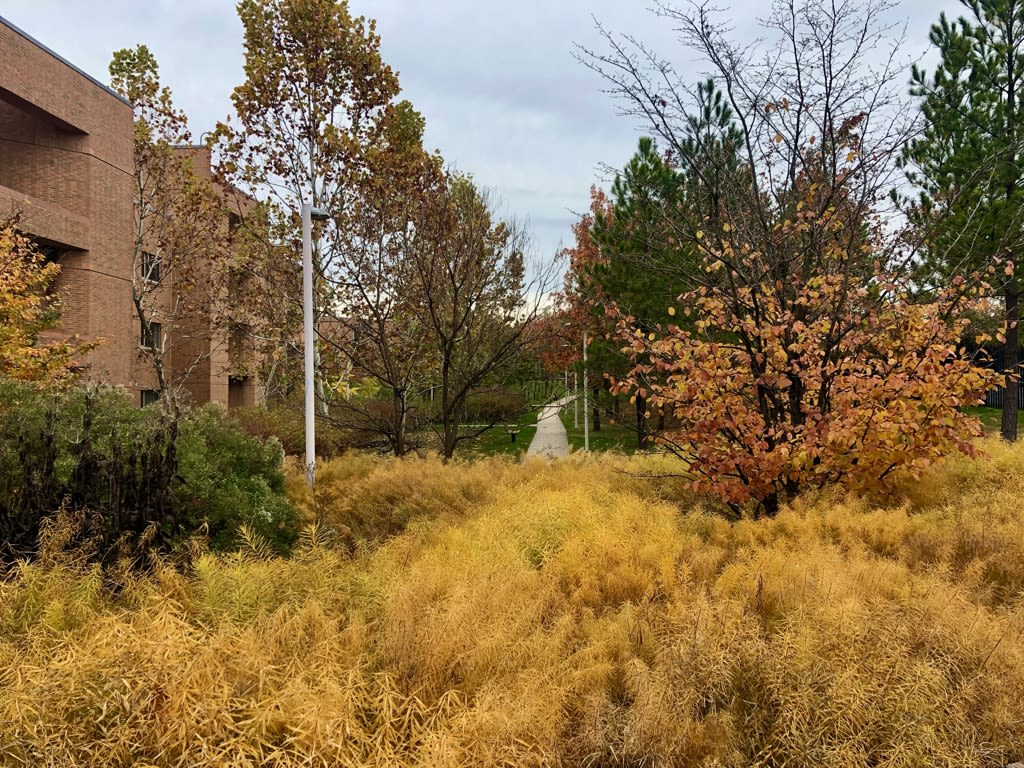
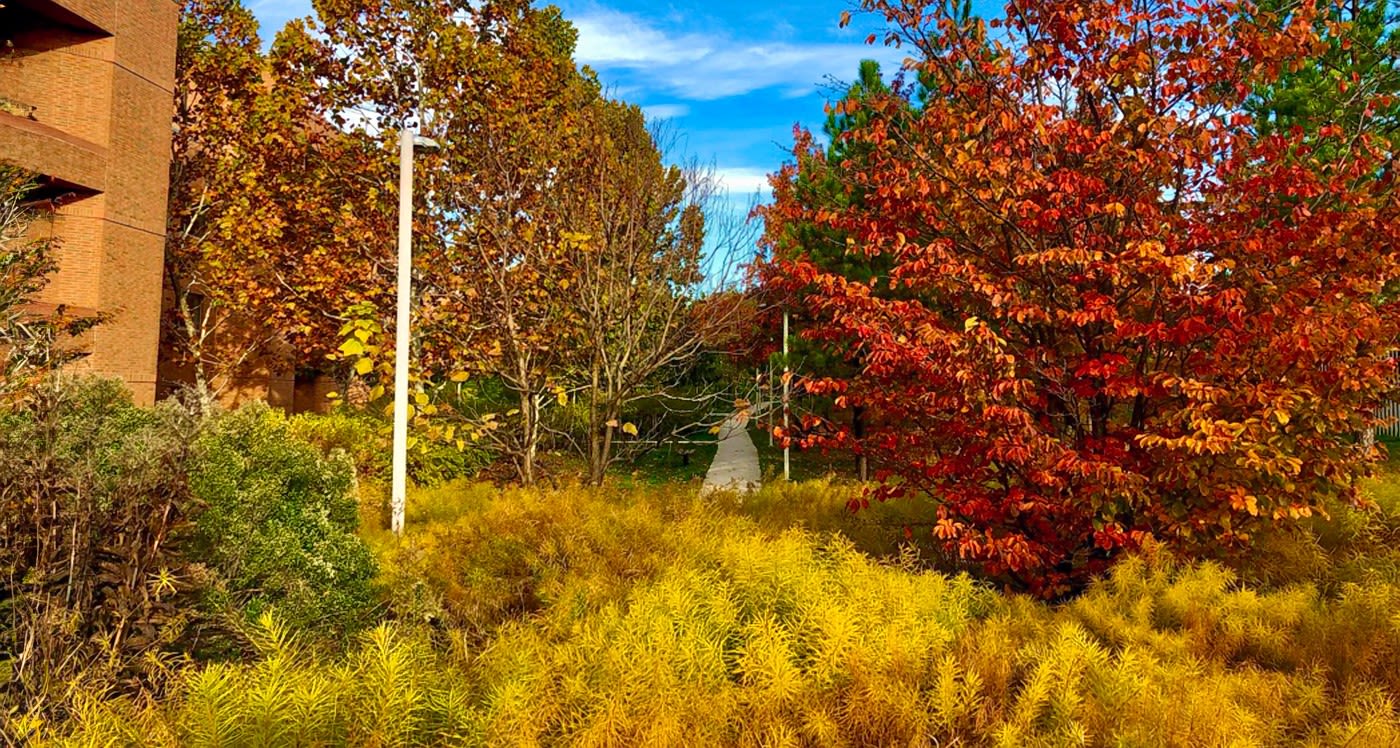
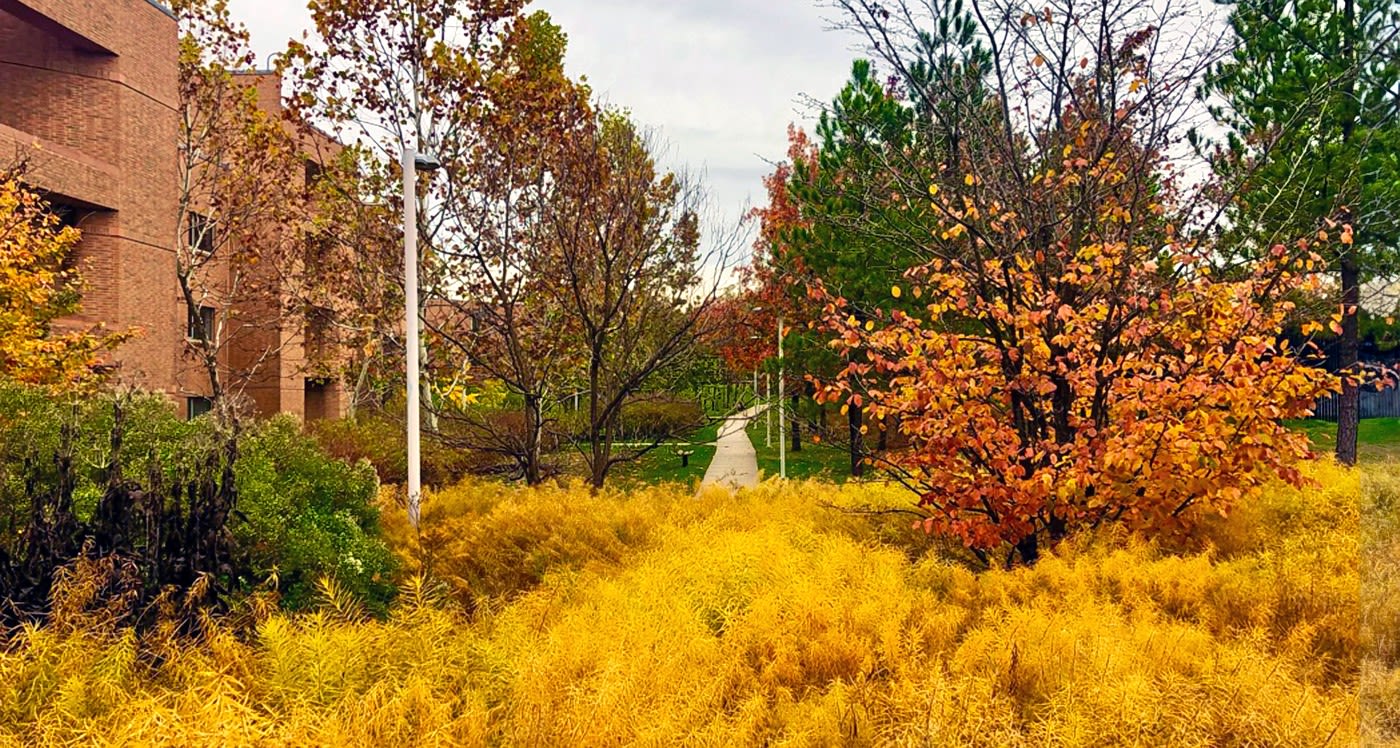
The burnt oranges and red of the Narrows in late fall
The burnt oranges and red of the Narrows in late fall
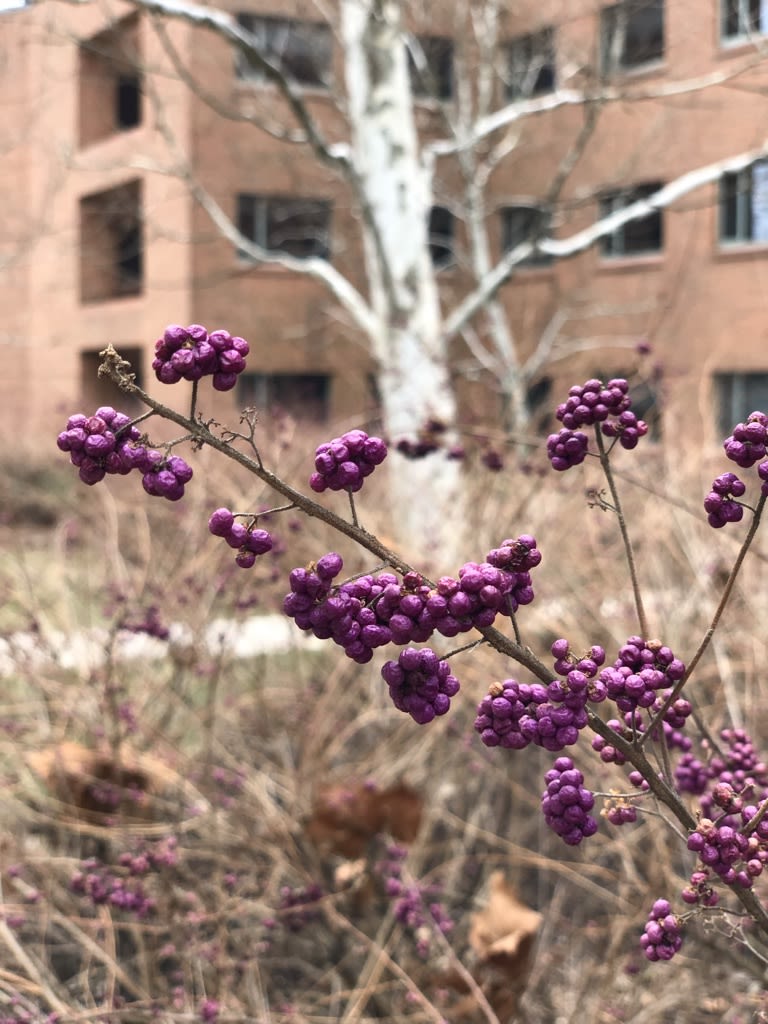
The purple berries of beautyberry holding on into winter
The purple berries of beautyberry holding on into winter
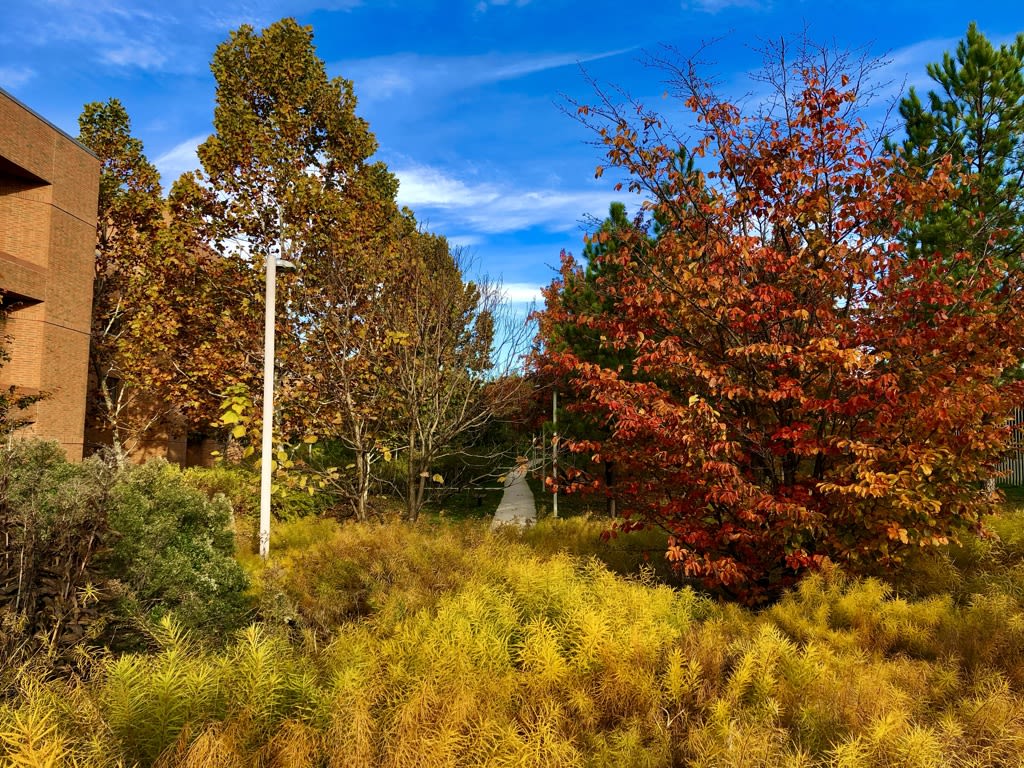
The Narrows awash with bright fall color in mid fall.
The Narrows awash with bright fall color in mid fall.
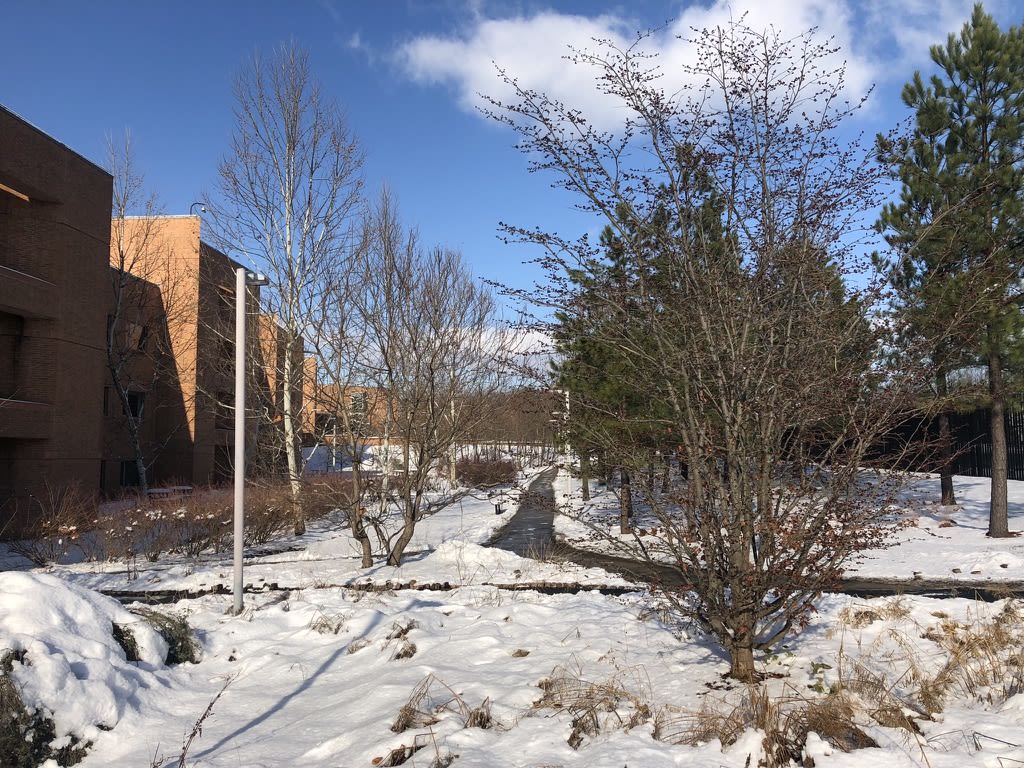
The Narrows under snow cover.
The Narrows under snow cover.
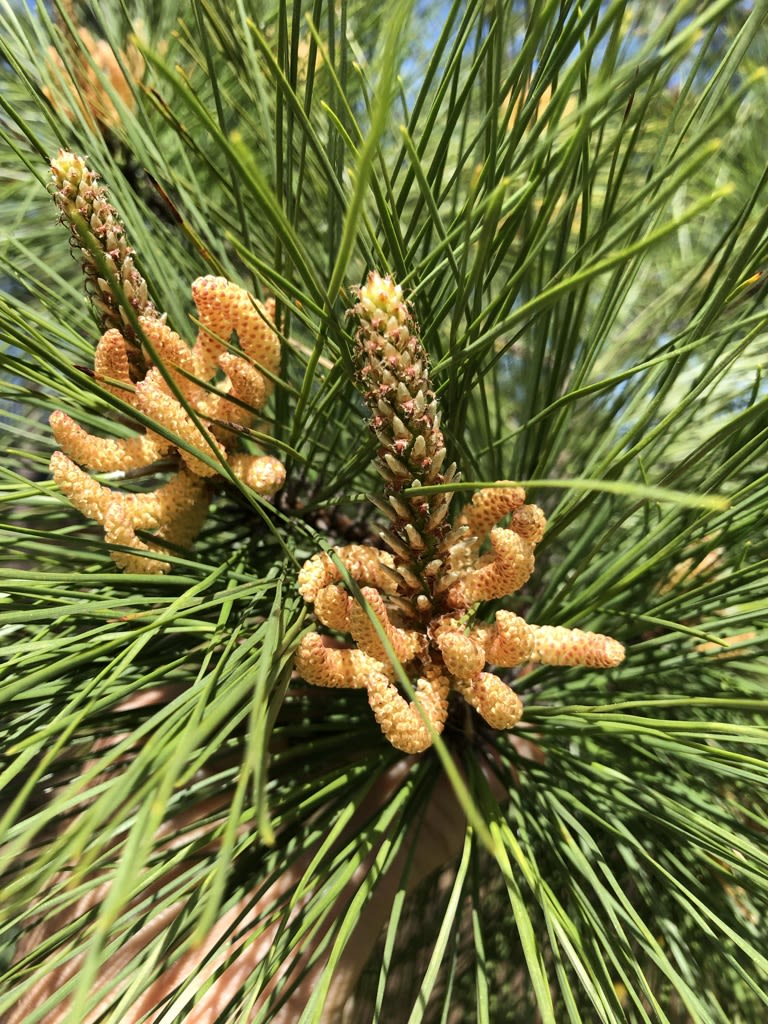
The flowers of a loblolly pine tree with a pinecone forming
The flowers of a loblolly pine tree with a pinecone forming
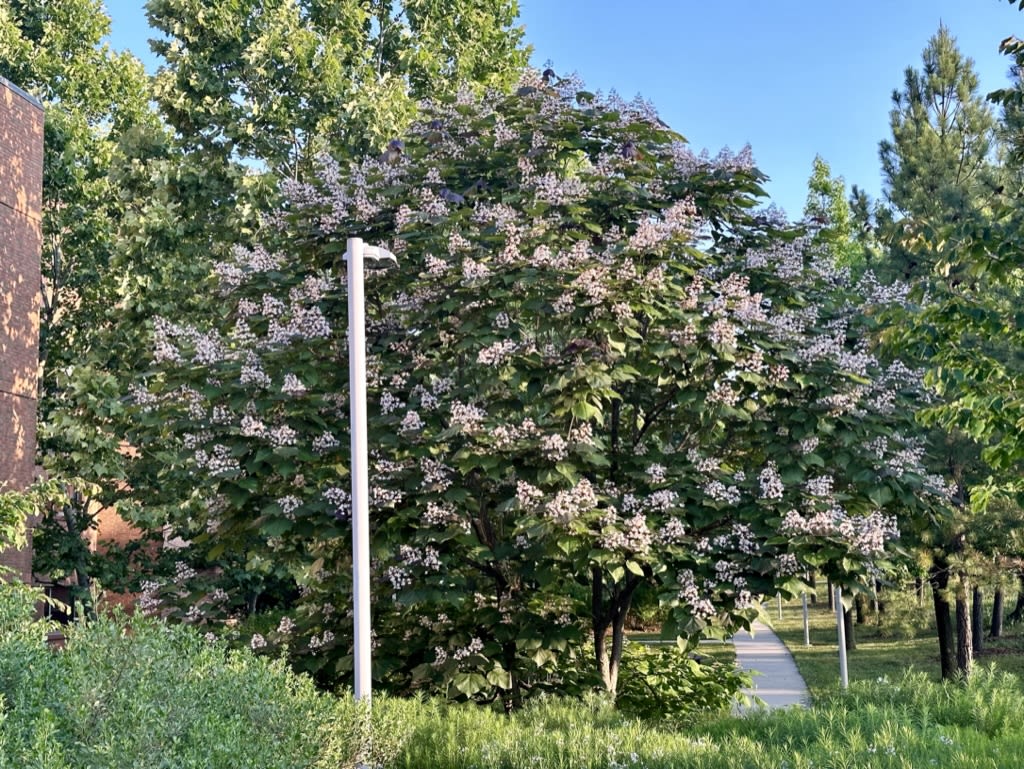
Catalpa x erubescens in full early summer bloom
Catalpa x erubescens in full early summer bloom.
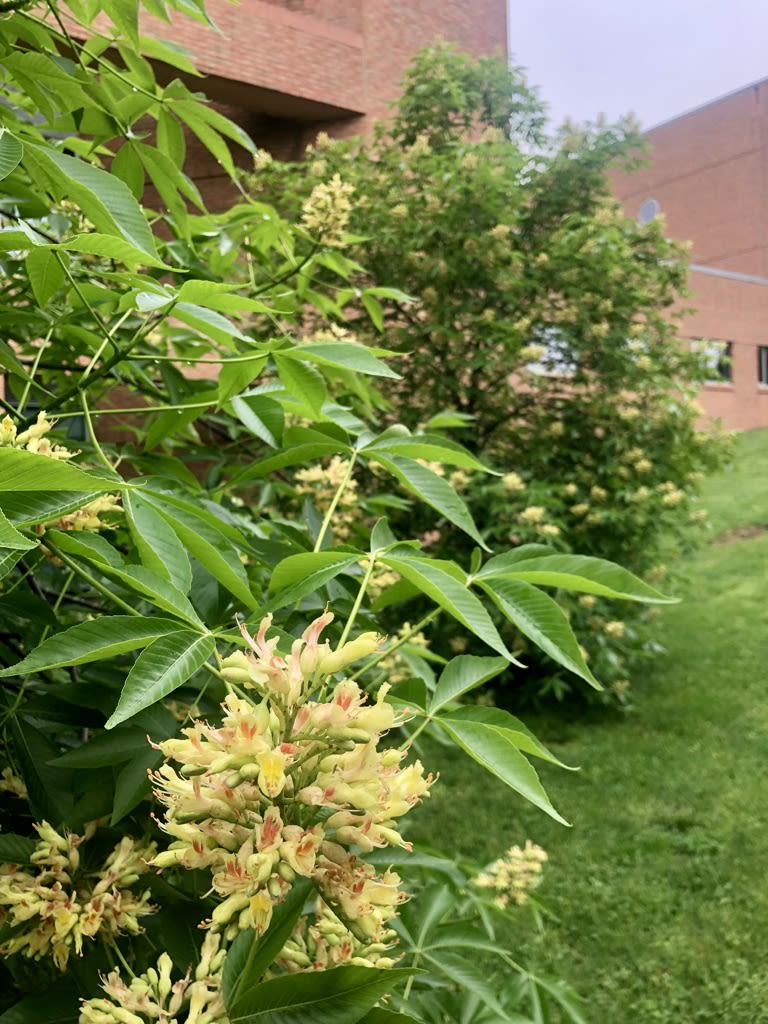
'Autumn splendor' buckeye, also known as horse chestnut, in bloom
'Autumn splendor' buckeye, also known as horse chestnut, in bloom.
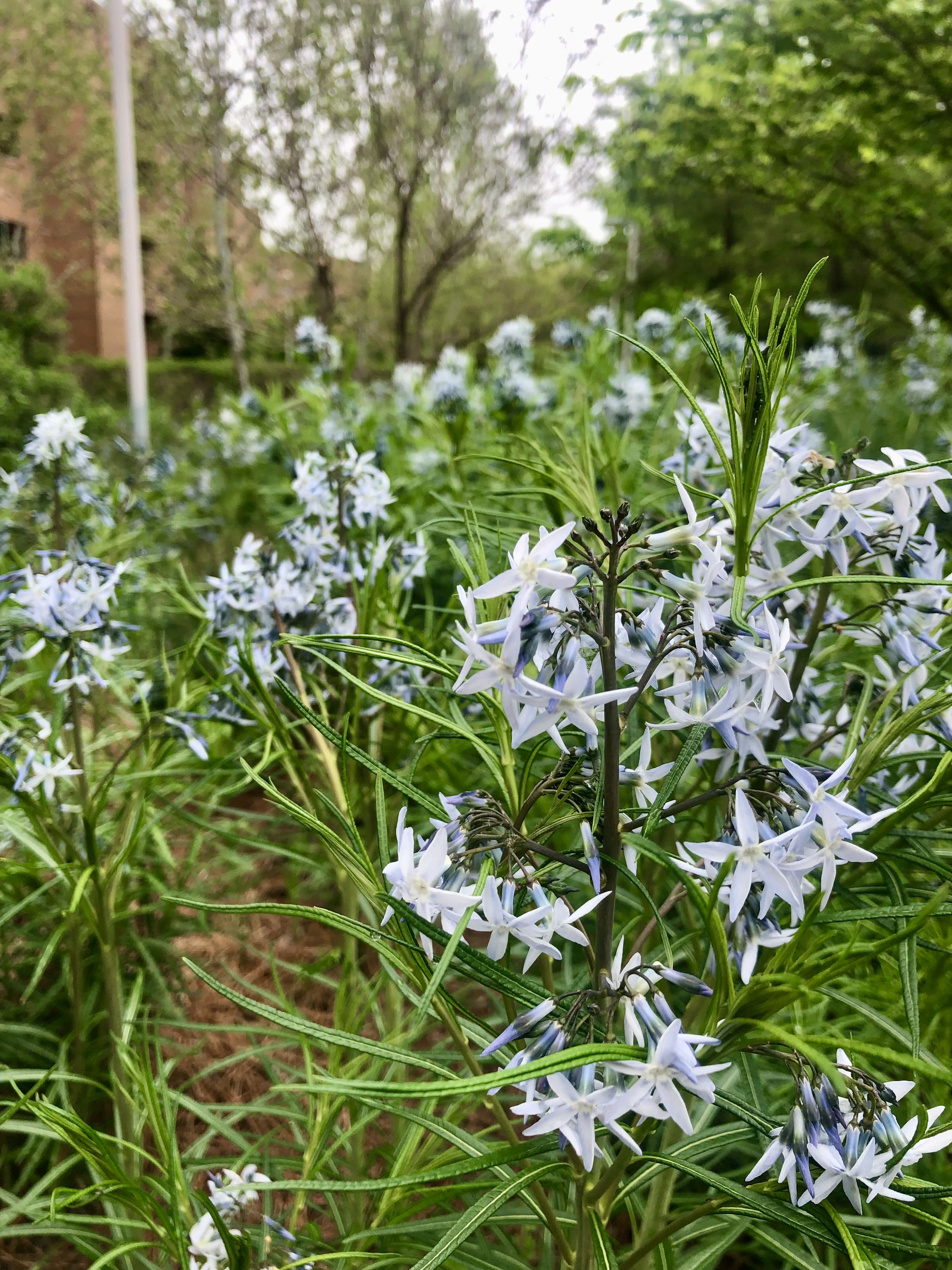
Texas bluestar in bloom
Texas bluestar in bloom
Through The Years
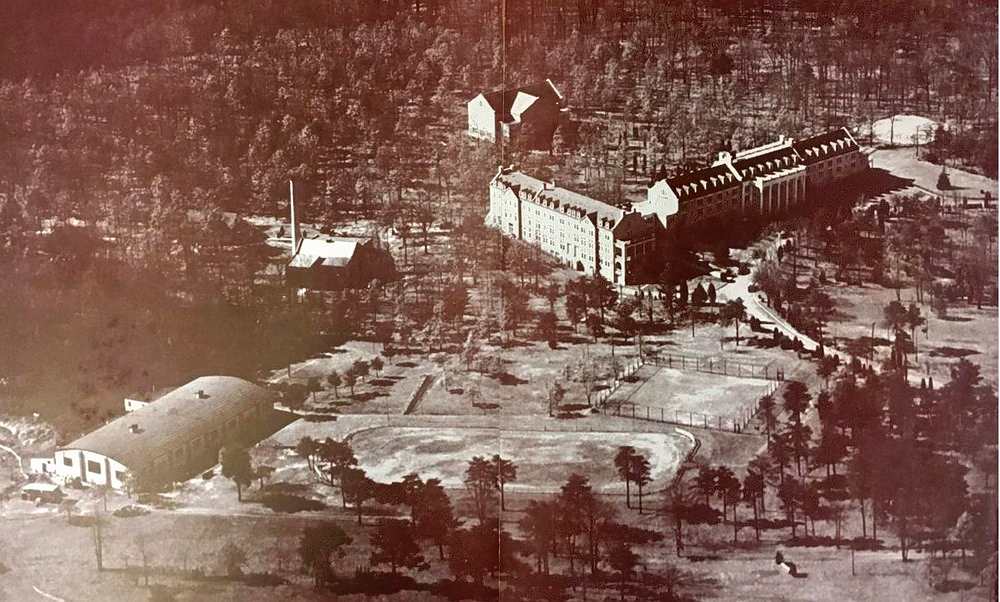
The area of Parking Lot 5–adjacent to the Narrows–had an indoor riding arena and stables when this site belonged to the Arlington Hall Junior College for Girls during the early 20th century. The pedagogy of the school combined physical health with instruction. After the U.S. Army took over the site in 1942, the same area had an indoor shooting range.