The Rockery
The Grounds at NFATC
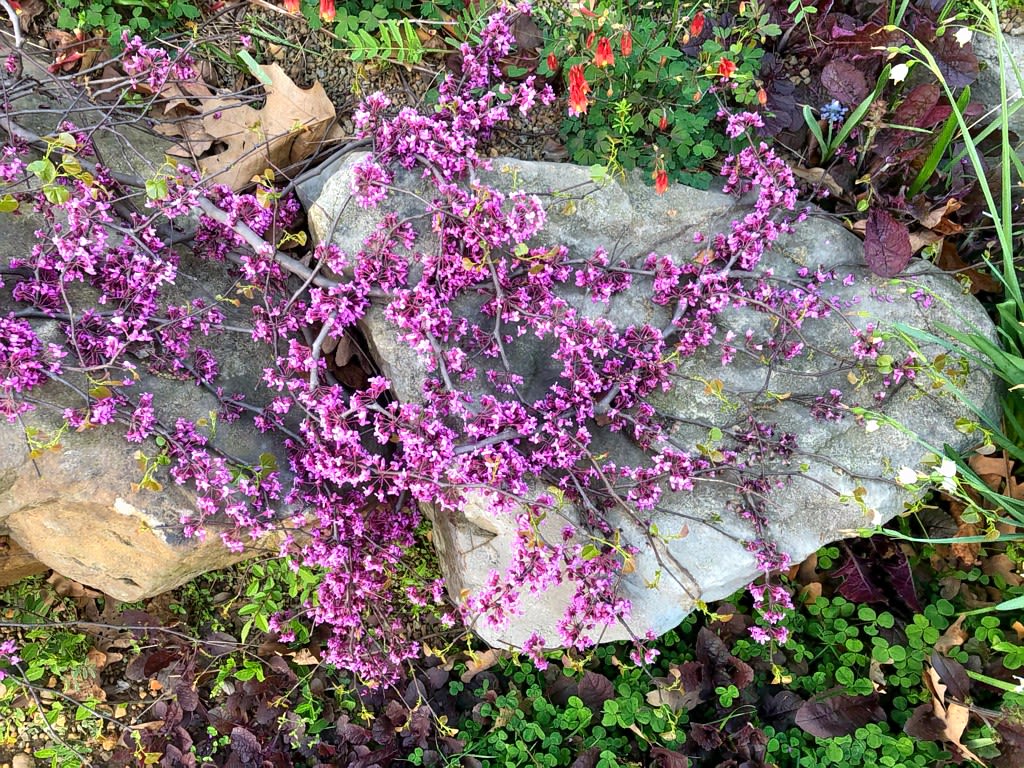

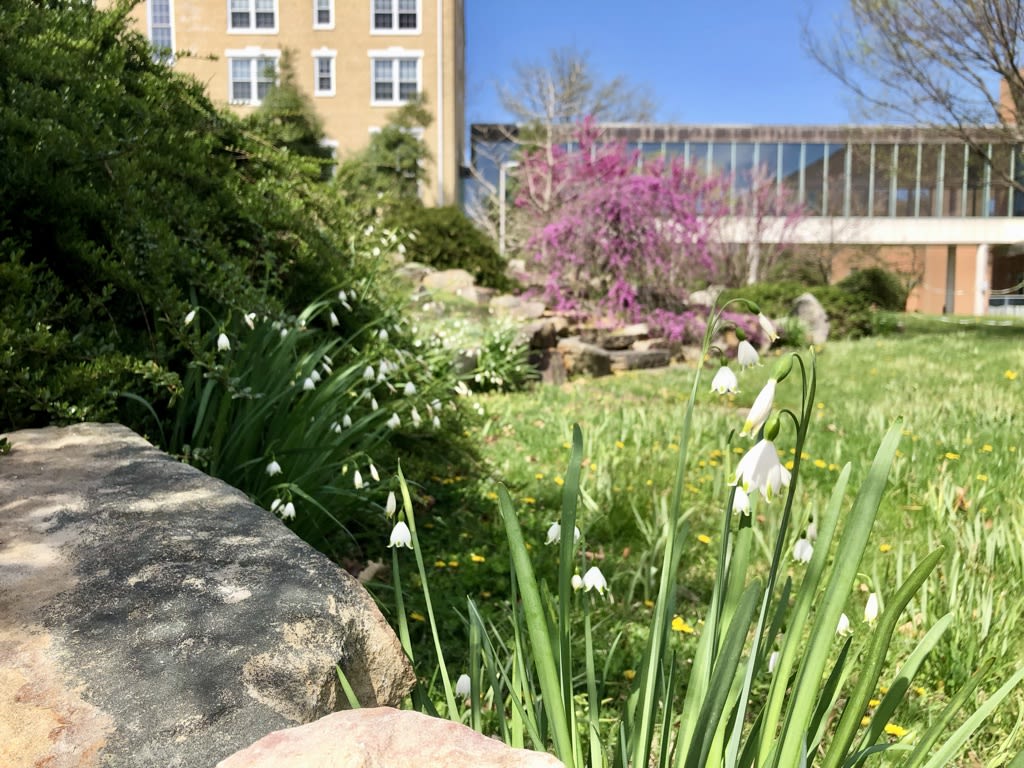
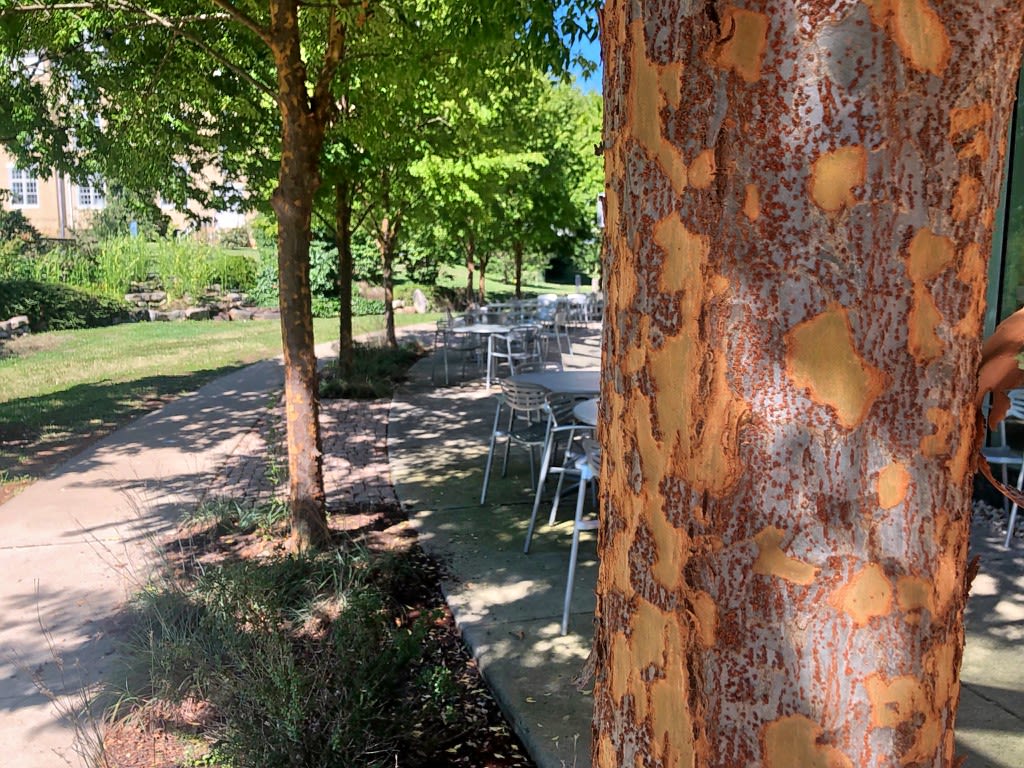
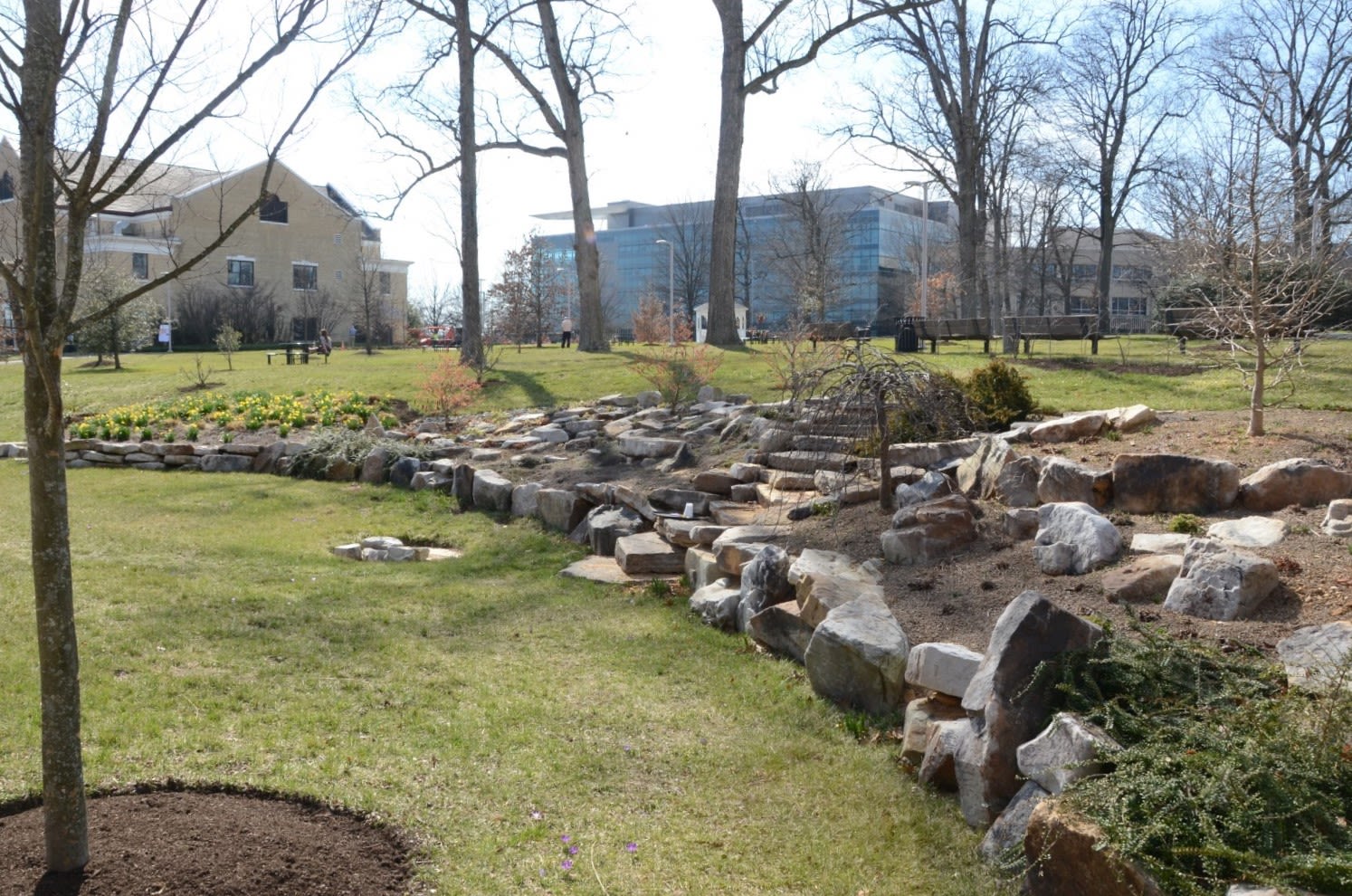
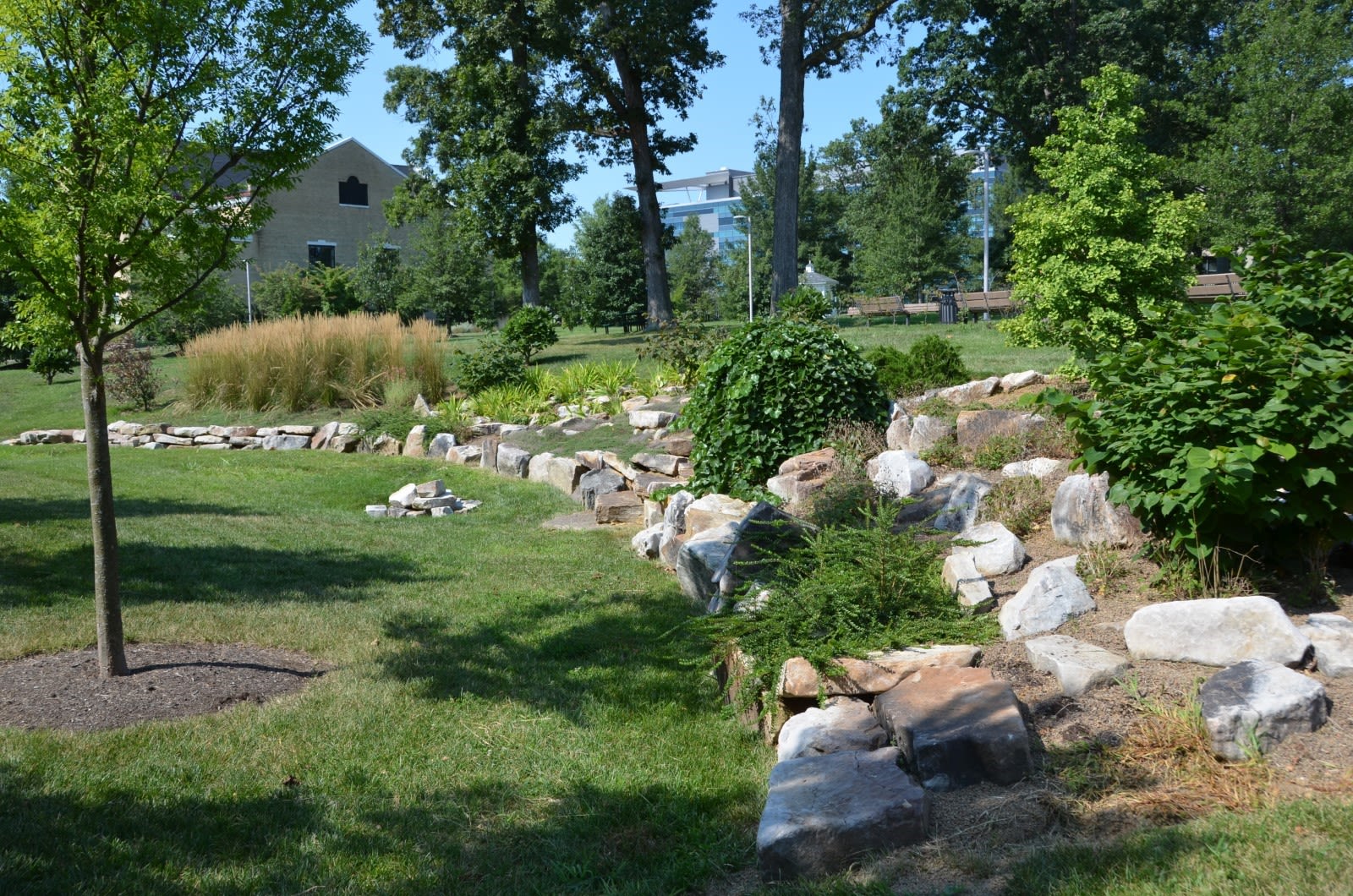
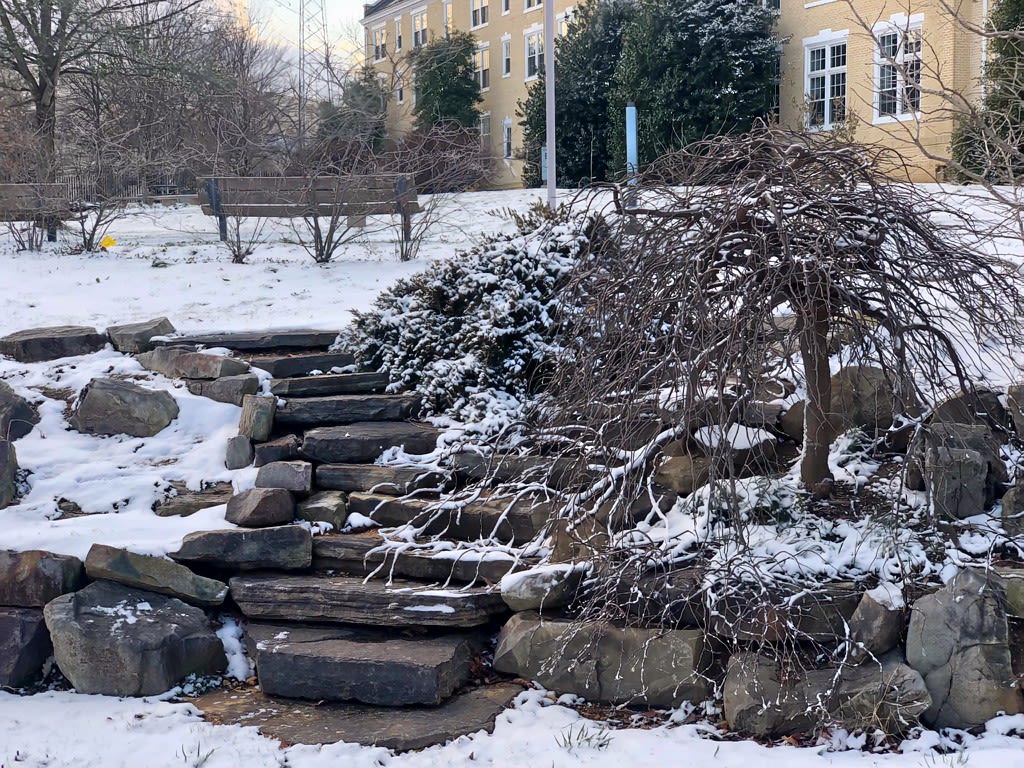
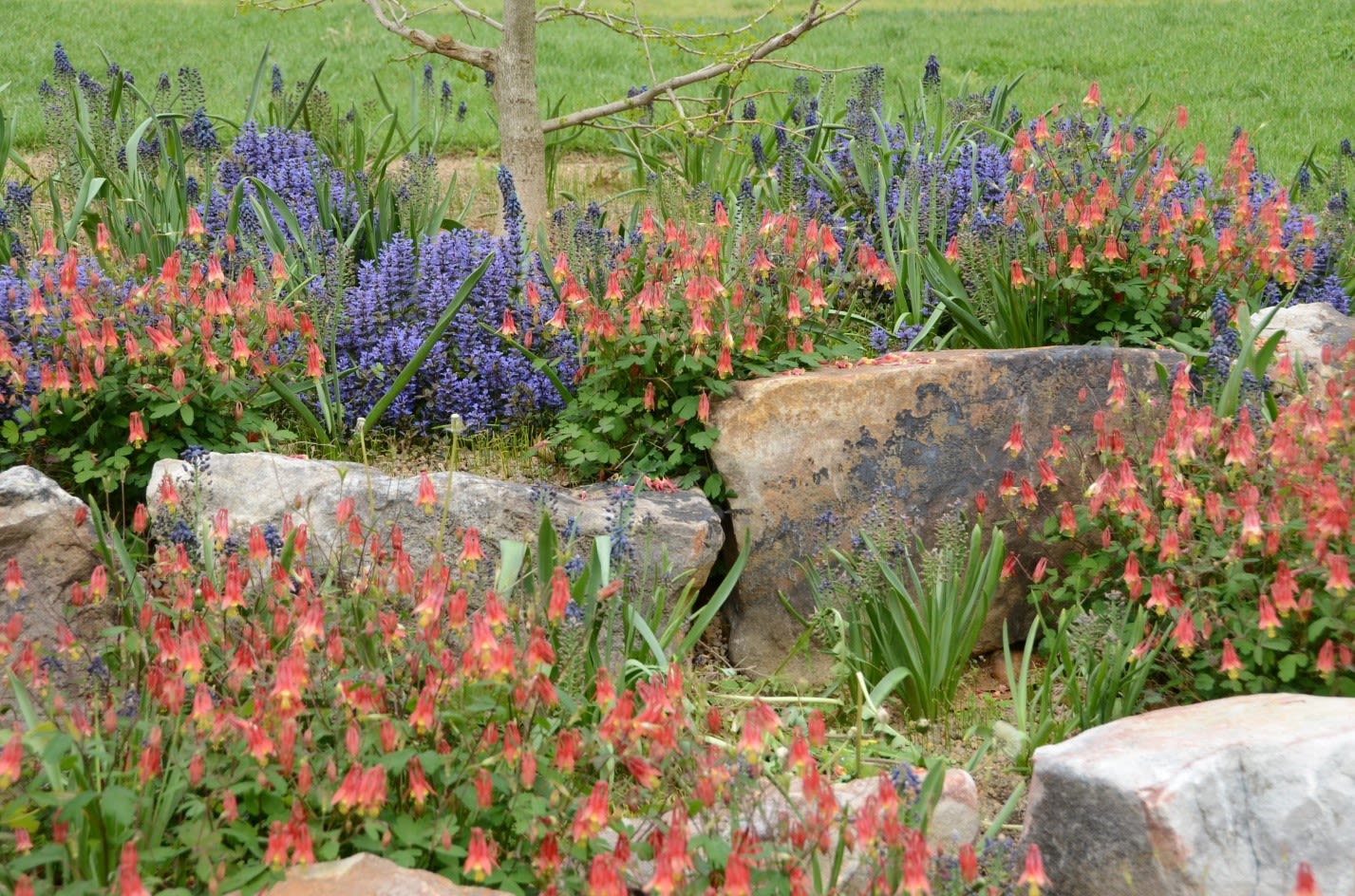
With a built-in audience of those eating in the Cafeteria Annex or outside on the patio, the Rockery was designed to provide year-round interest. In winter, you can observe the exfoliating bark of the lacebark elm trees as well as the architecture of the rocks, their tiers, and how they complement the slope of the ground and bend of the building. For the rest of the year, you can enjoy a three-season show of redbuds, witch hazels, blended perennials, and a mixture of bulbs.
The Rockery incorporates subtle elements of sustainable design, with a permeable patio and the rock structure intercepting and managing stormwater, as opposed to the water just going straight into stormwater pipes.
Enjoy this garden routinely and at any time of the year.













Horticulturist's Tour
Listen to NFATC Horticulturist Darren DeStefano discuss designing this garden for sustainability and enjoyment throughout the year.
Select the play button to listen to the audio as you follow along with the transcript below.
Welcome to the Rockery.
So, this planting was done following the completion of the Cafeteria Annex and was really made to create something to look at, but also to exhibit elements, subtle elements, of sustainable design.
(Scroll to follow along with the audio.)
So, there's a patio that goes between the Cafeteria Annex and the planting, and there's a narrow cut that goes through that patio that's lined with trees and covered with cobblestone.
The cut itself was backfilled with nothing but pure gravel, 57. So, relatively large chunky gravel that was dumped in the pit. And then soil from campus was placed on top and washed in with a hose. And this is a cheap way to create a structural soil.
Then we covered that cut with cobblestone, which was dry fit, so that's permeable paving. So, all of the water that falls on the patio washes into this trench and then feeds the trees that then shade over the eating area.
The Rockery itself was built on this small slope that was created from the construction, and the approach was simple: to bring in a bunch of boulders to line the area, creating planting pockets. Then bring in trees, set them into the pockets, and then backfill it with a fine gravel and plant it further with different species to create a rock garden out of the space. And that in turn really facilitates the absorption of the stormwater that was flowing towards the drains that are right at the base of the Rockery.
So, what used to happen in the space is that the rain would fall and that it would pour off the side of the cafeteria, and from down the slope towards the oaks go down into the pipe, and then disappear to the water treatment plant. But now that we have the permeable paved patio plus the Rockery in place, almost all of the stormwater is intercepted, and the drains don't really flow unless we're in a real flood condition.
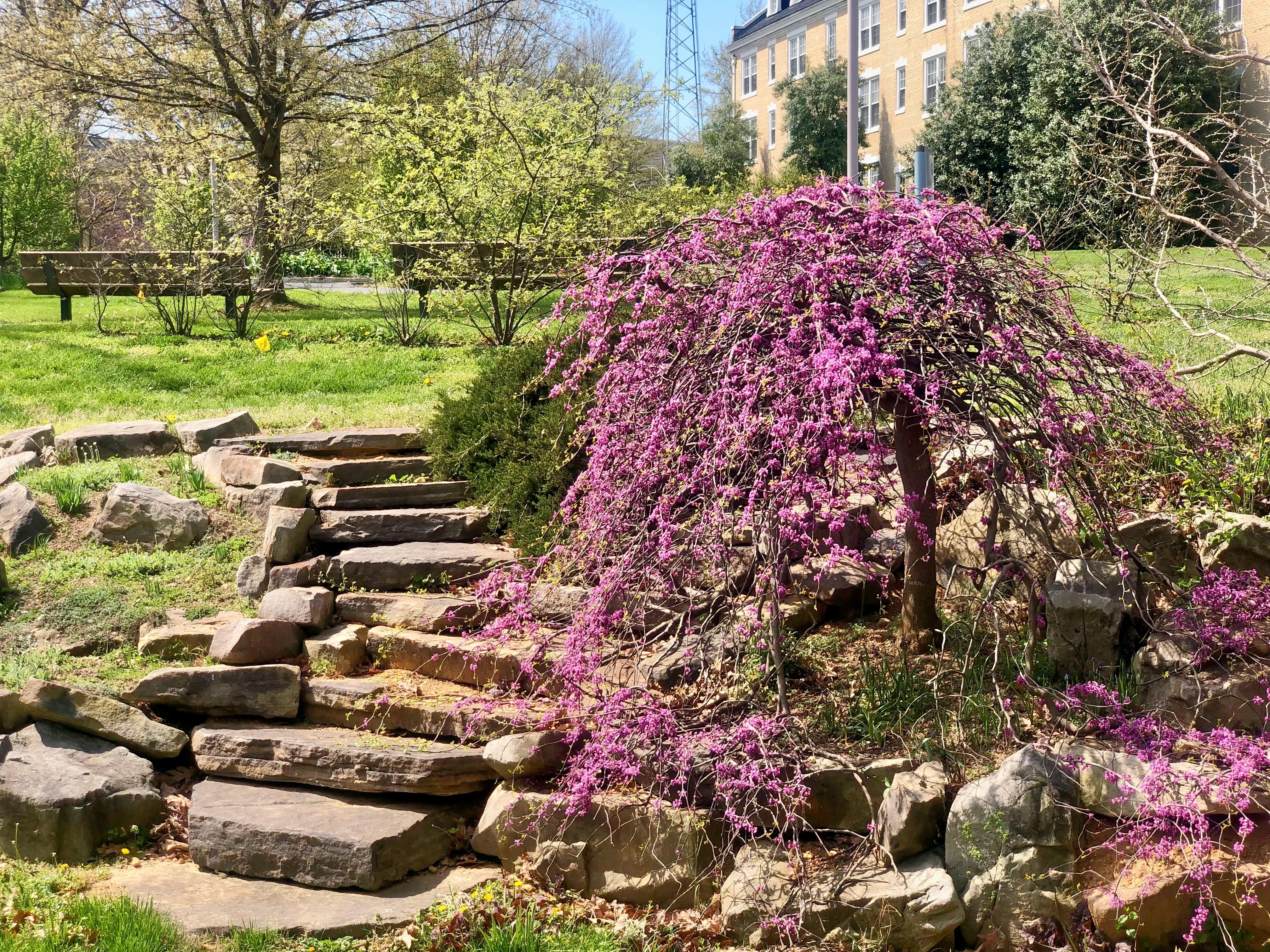
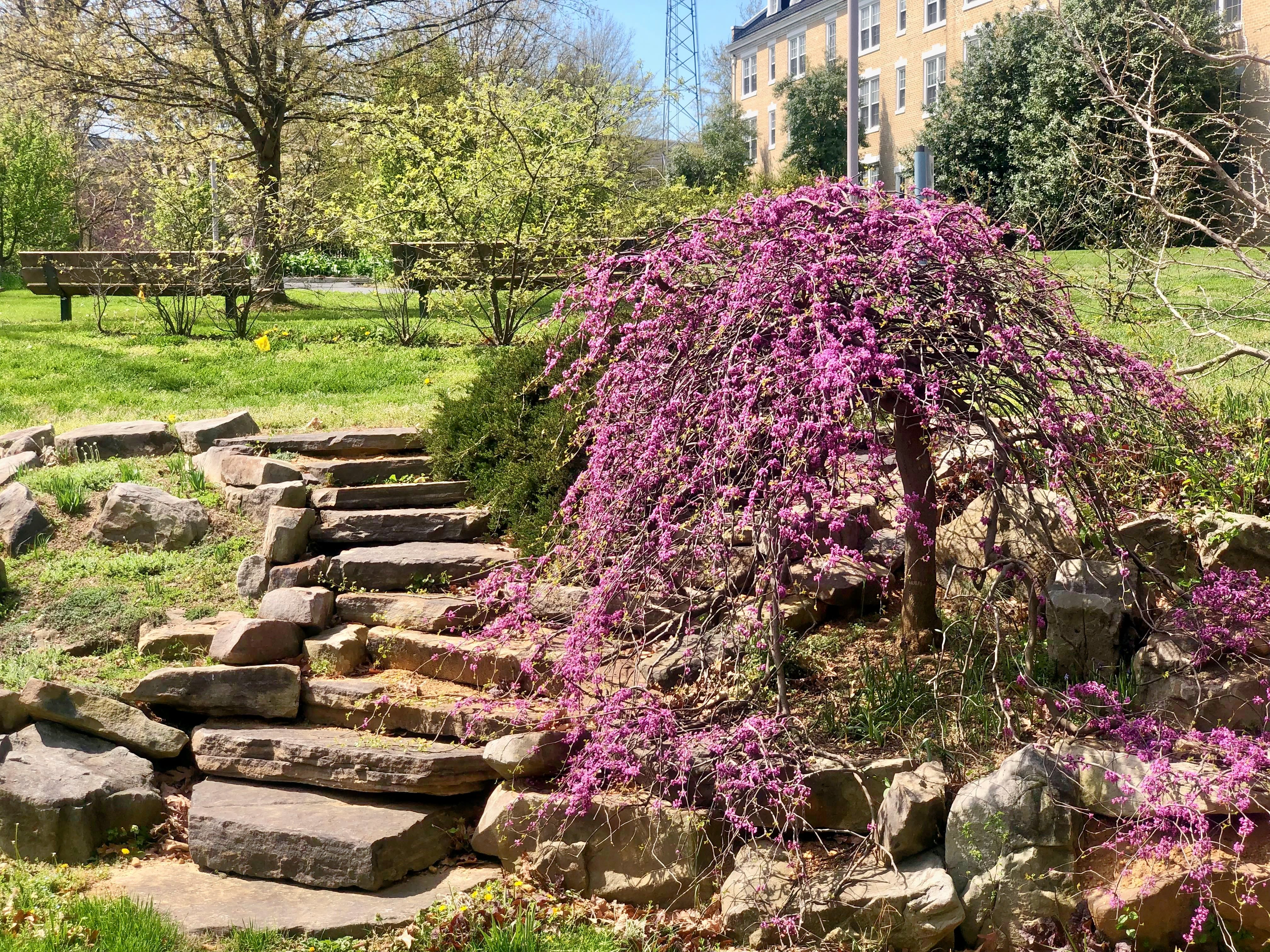
The Rockery itself is, it's one of my favorite plantings on campus. It's something that you can sit inside or outside and look at and find points of interest across the year. I mean, in the depth of winter, it's got the stone spine that holds the planting together, as well as this pendulous tree in there that is, it's a redbud.
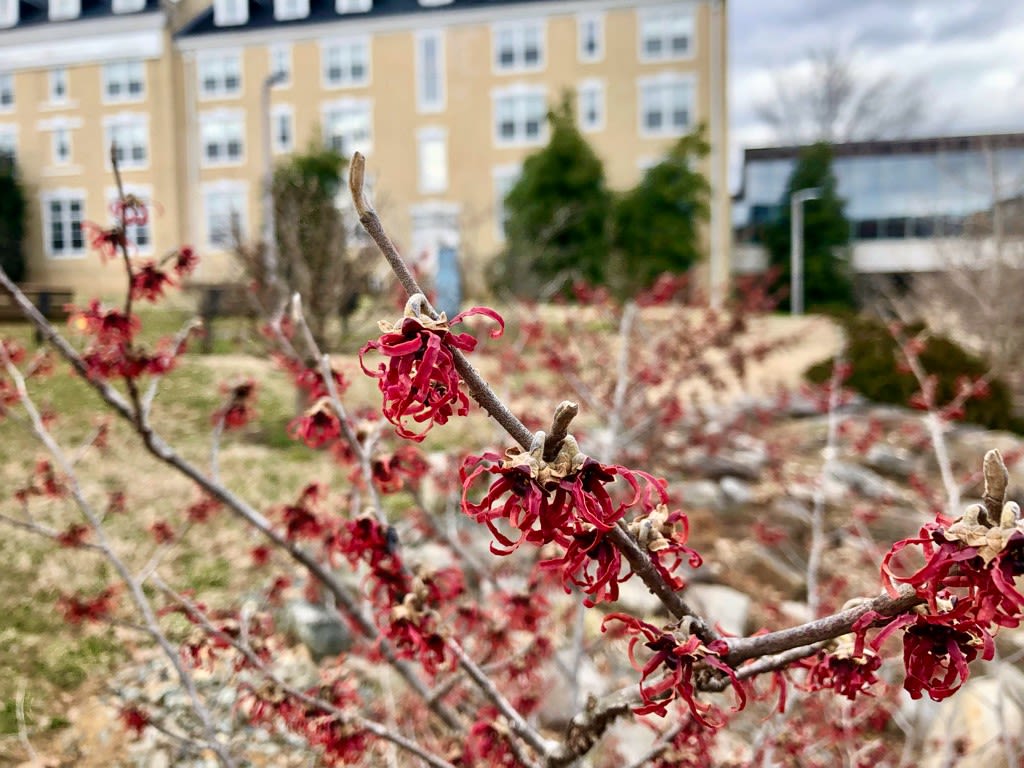
It's a Texas redbud that has a wicked medusa-like head that I think looks fabulous with no canopy where you can see the intricacy of the whole thing. It's also got witch hazel that flower very early in the season, followed by a symphony of spring bulbs as well as some flowering trees, there's redbuds across it.
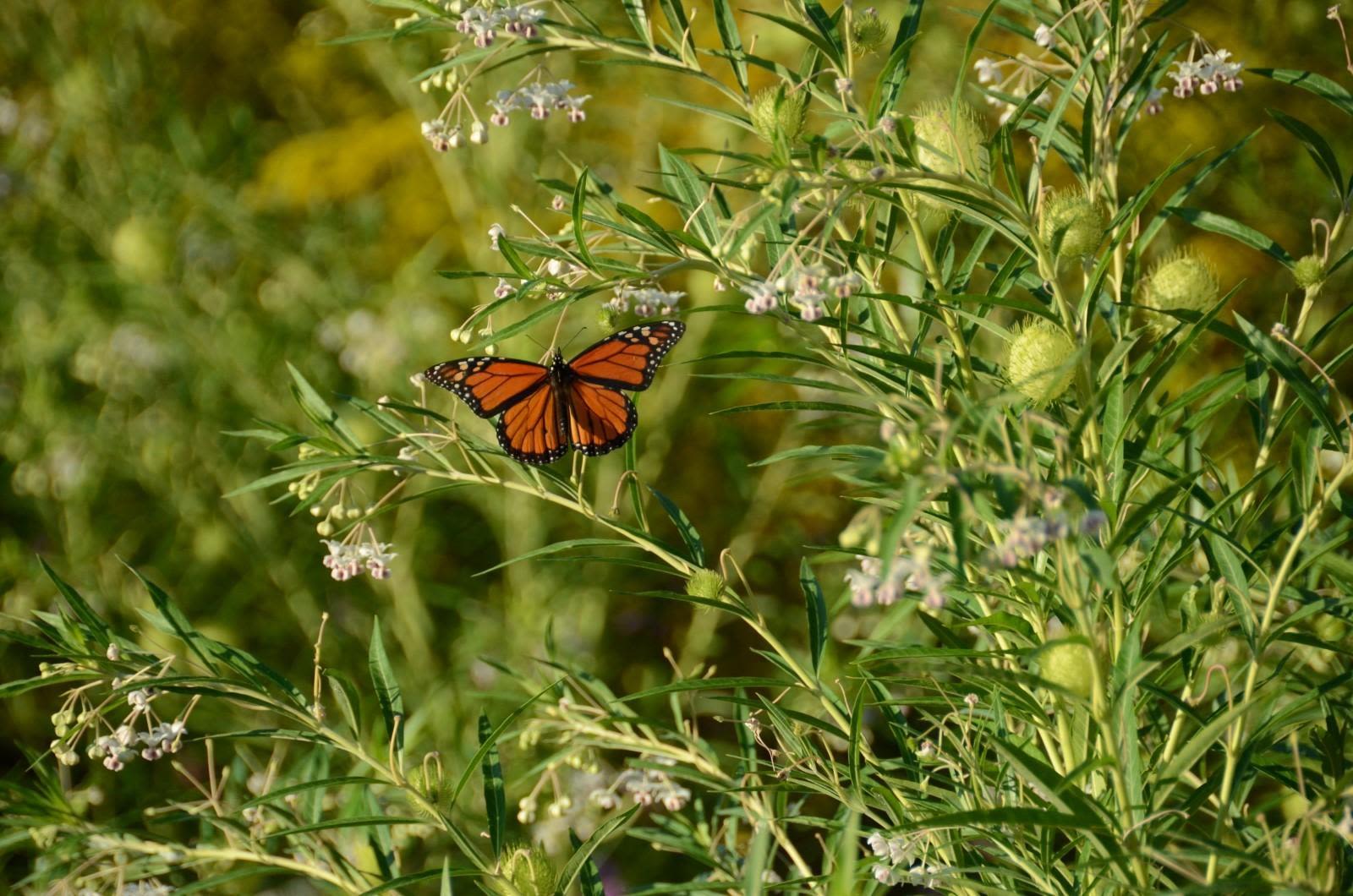
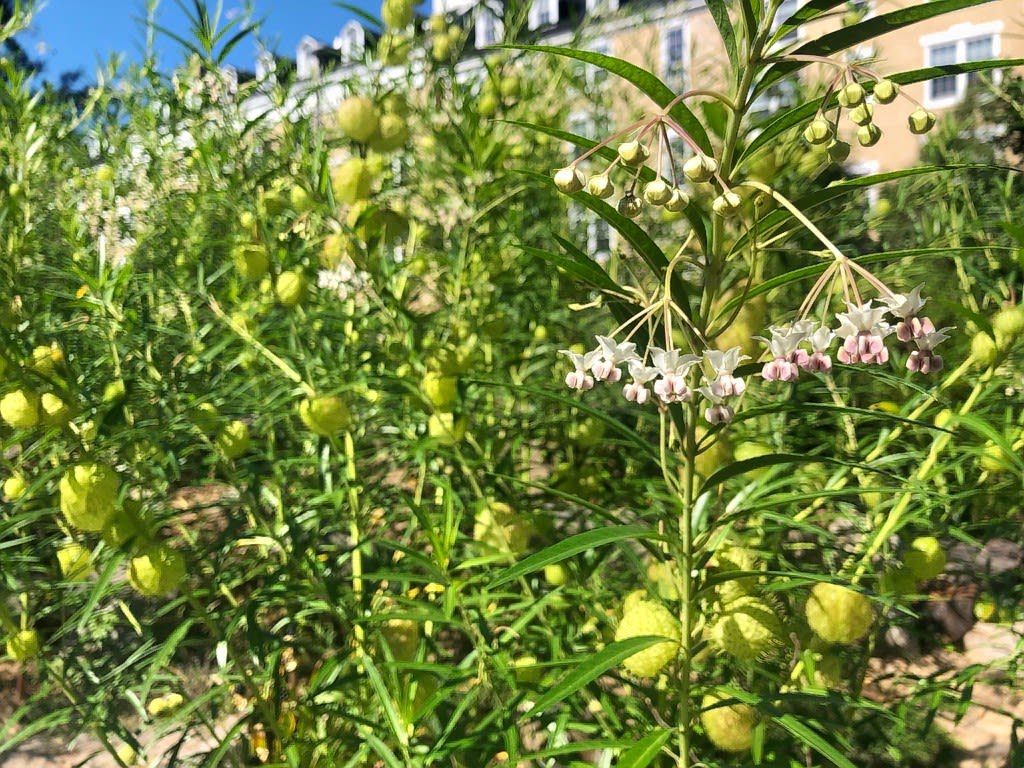
But there's also plants for summer. There’s Gomphocarpus, this plant that produces these blooms, these hairy balls that are growing off of the stems that really bring in monarch butterflies that are always there to see in the late summer.
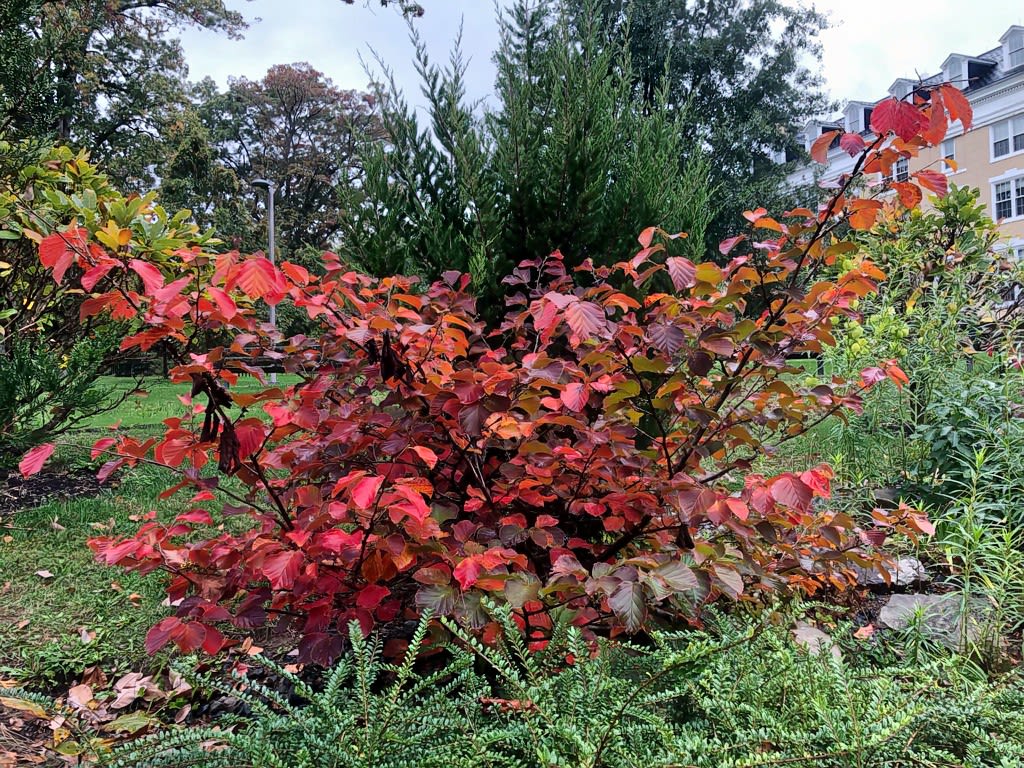
And it produces some of the most dramatic early fall foliage, too, with the witch hazels turning a really vibrant red. So, this is a planting for all seasons and worthy of a window.
It was done pretty early on in my plantings on campus. And it had a lot of emphasis. This was not something that I could create and allow to evolve. It was something that actually had to deliver right away and had a built-in audience. So, there wasn't a lot of room for exploration. I usually went with plants that I knew would work, and I mixed it up to the greatest degree that I felt possible. I wanted to make it interesting, engaging, but I also wanted to make it successful.
And it's one of the plantings when I look back at the pictures and I see what resulted from the construction, and then I see what's there now. It's one of those that, it didn't have to grow for a decade before it became something. It looked good right away. And it's a planting, although small, remains one of my favorites.
Featured Plants

Traveler redbud
Traveler redbud
Witch Hazel 'Jelena'
Witch Hazel 'Jelena'
Bishop's Balls
Bishop's Balls
Traveler Redbud
(Cercis texensis ‘Traveler’)
‘Traveler’ is a weeping redbud from central Texas, where the weather is hot and dry.
The vigor of ‘Traveler’ is what truly sets it apart, pushing out projections of prostrate limbs that just want to ramble along the rocks for yards. It flowers a deep magenta in mid-spring, later than most species, but prior to leafing out. The leaves are heart shaped and vivid green, glossy from the waxy cuticle. Once in full leaf, it takes on a “Cousin Itt'' persona, a dense mound of foliage loved by birds.
As a legume, it’s able to fix nitrogen from the air, making it a truly tough customer. Fall leaf drop comes late without a stitch of color.
Witch Hazel 'Jelena'
(Hamamelis x intermedia ‘Jelena’)
Witch hazels are slow growing, medium, vase-shaped shrubs. They are among the most dramatic plants of the winter garden, with large pubescent buds bursting open to unfurl strap-like flower petals of brilliant reds, oranges, and yellows during warm spells of the waning winter and into early spring.
The flowers are spidery and worth close inspection as they are often multi-colored, progressing across the bloom time. They can pack a sweet and spicy punch if you catch them at the right moment when it is still and sunny. The foliage is attractive too, with a characteristic leaf that produces a spectrum of particularly early fall colors, from wine red to flaming orange.
The pictured specimen is ‘Jelena.’ It was bred by Robert de Belder in Kalmthout, Belgium, following the war, and is named after his beloved wife. It is perhaps the finest hybrid of witch hazel in the red spectrum.
Bishop's Balls
(Gomphocarpus physocarpa)
Bishop’s balls are a self-sowing milkweed in the dogbane (Apocynaceae) family, native to southeastern Africa. It likes to grow on disturbed soil. Reaching three feet in height and producing intricate flowers in September, they are a tractor beam for monarch butterflies. As the foliage is fodder for the caterpillars, it is not uncommon to see chrysalises hanging off the plants or nearby.
As a milkweed, it also produces a white latex sap laden with cardiac glycosides, which can relieve arrhythmias. For such reasons, it was once included in the genus Asclepias, named after the mythical Greek healer.
Bishop’s balls emerge from seed in the soil in mid-summer as hot, dry weather dominates. Its lanceolate leaves can be easily identified as they remain deep green when other garden plants fade in the heat. Horned, balloon-like bladders rapidly swell on the plant while still in flower, bronze, and then burst when ripe, expelling seed capped with silky tufts that carry on the breeze.
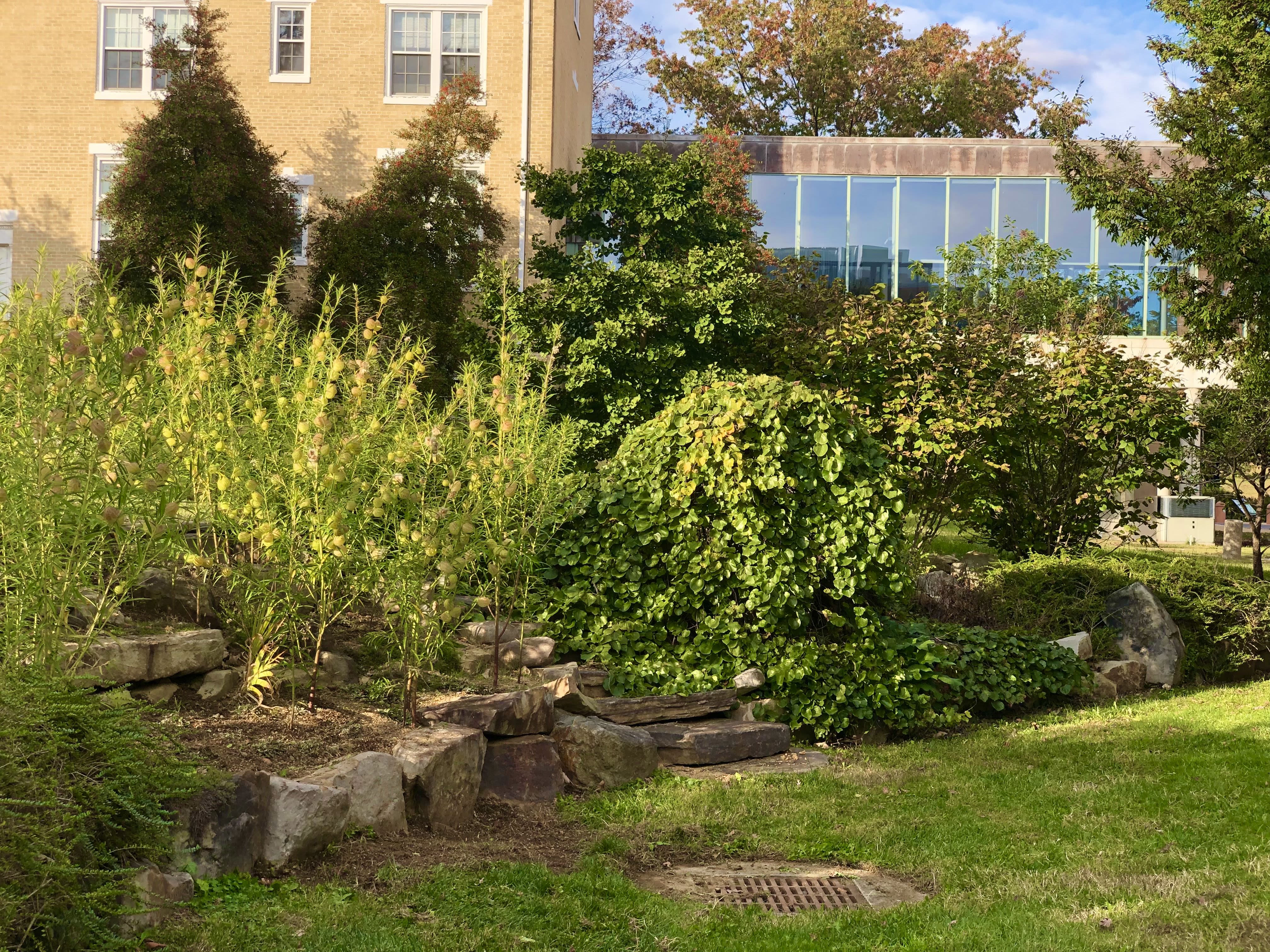
A stand of bishop’s balls has been established since 2015 in the Rockery outside the Cafeteria windows.
Through the Seasons
Select each of the images below to zoom in and learn more.
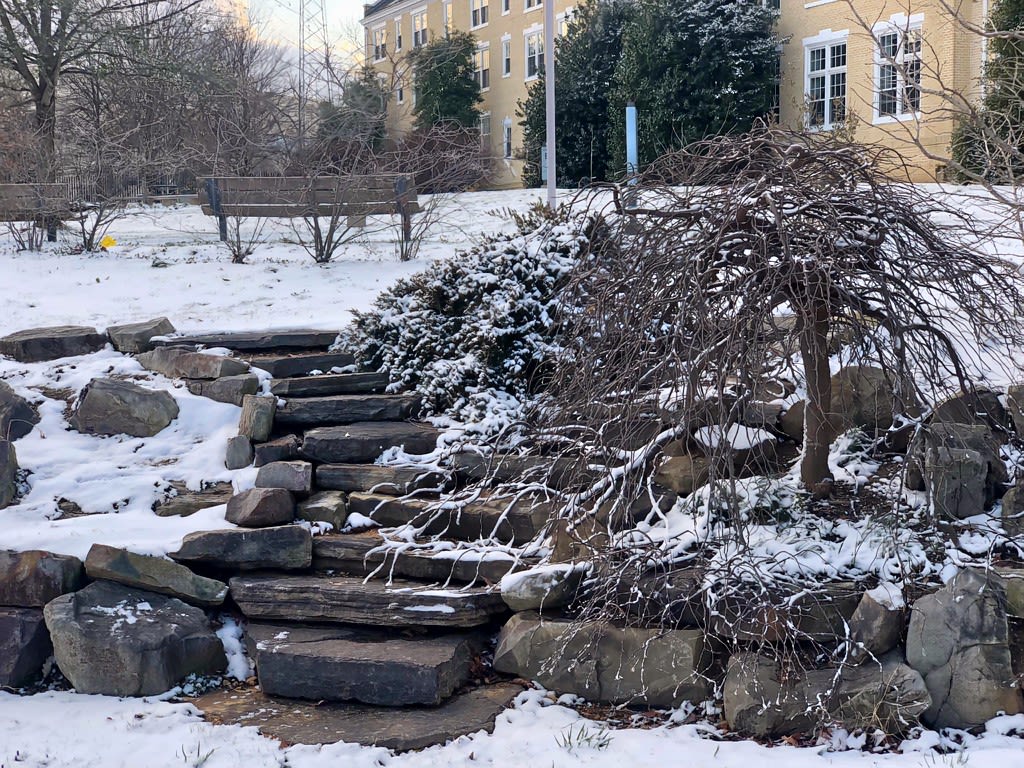
The weeping branches of 'traveler' redbud in winter
The weeping branches of 'traveler' redbud in winter
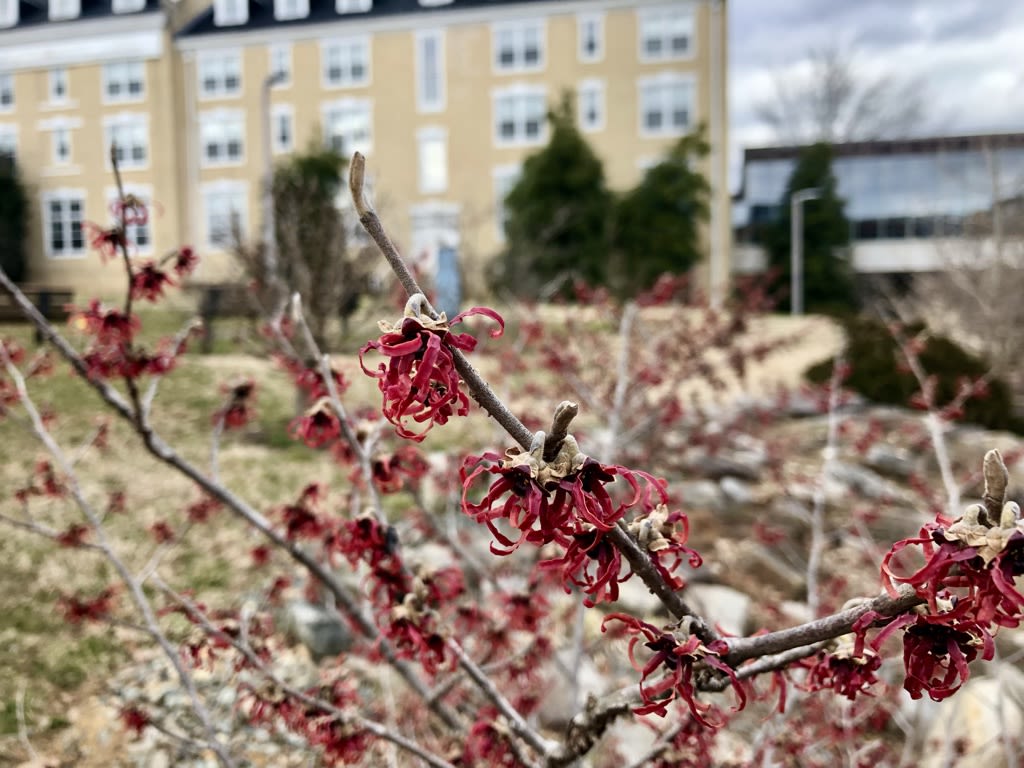
Witch hazel 'Jelena' blooming in late winter, early spring
Witch hazel 'Jelena' blooming in late winter, early spring

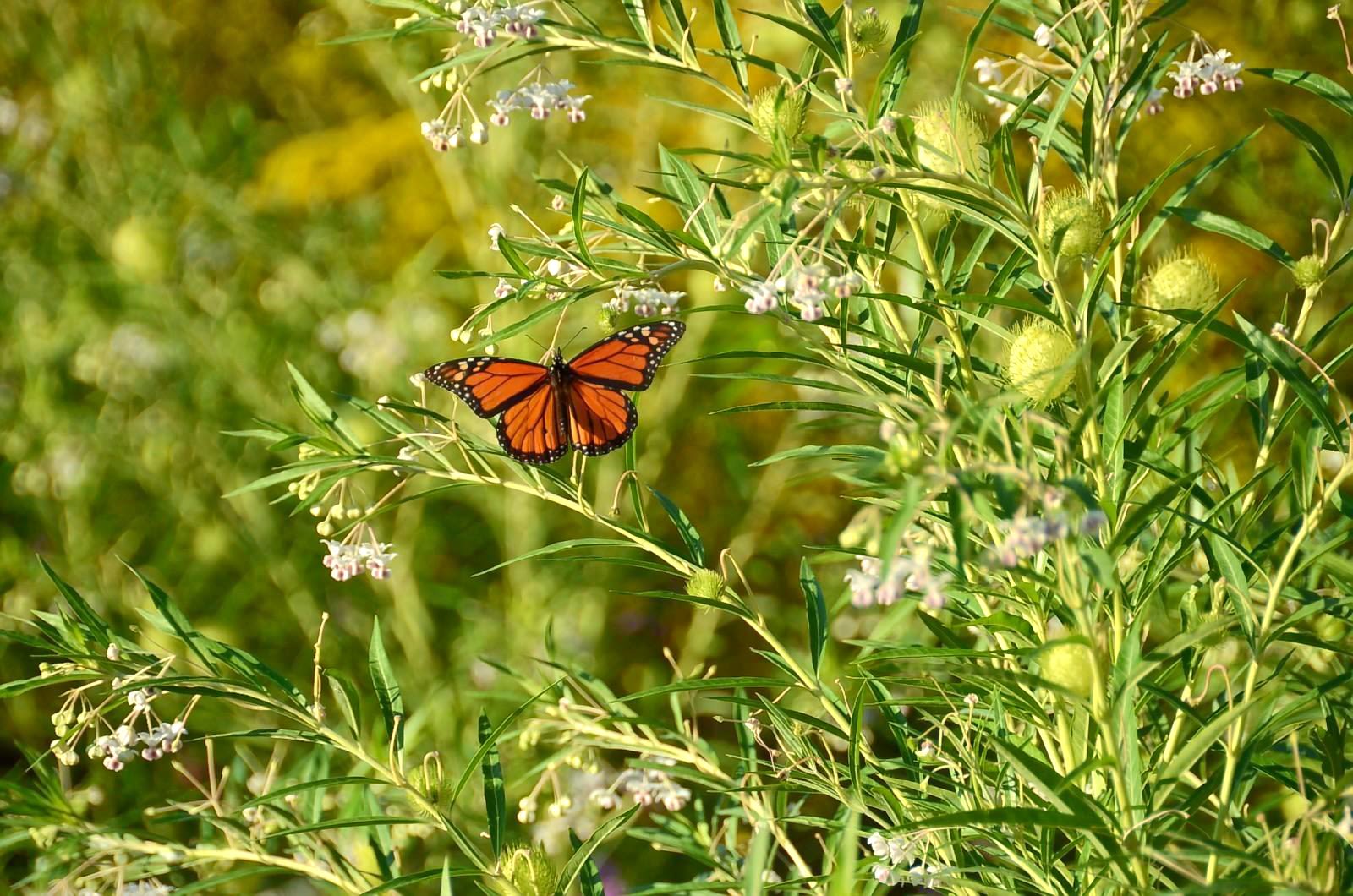
A monarch feeding on the flowers of a bishop's ball
A monarch feeding on the flowers of a bishop's ball
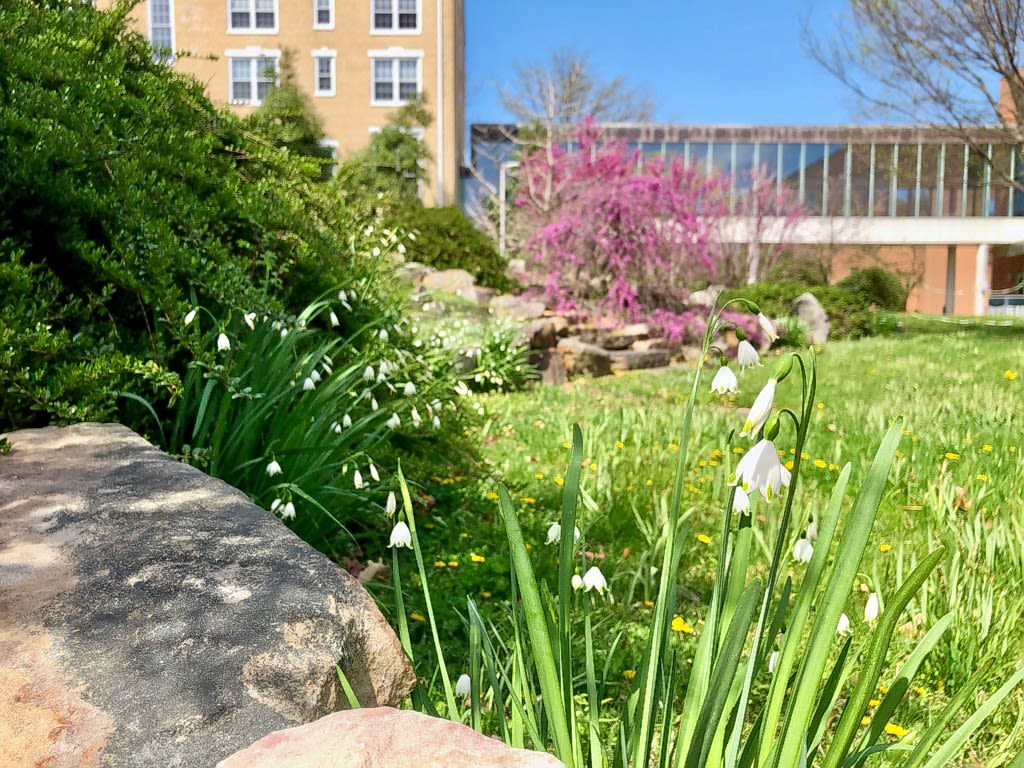
'Gravetye giant,' a perennial bulb that blooms in spring
'Gravetye giant,' a perennial bulb that blooms in spring
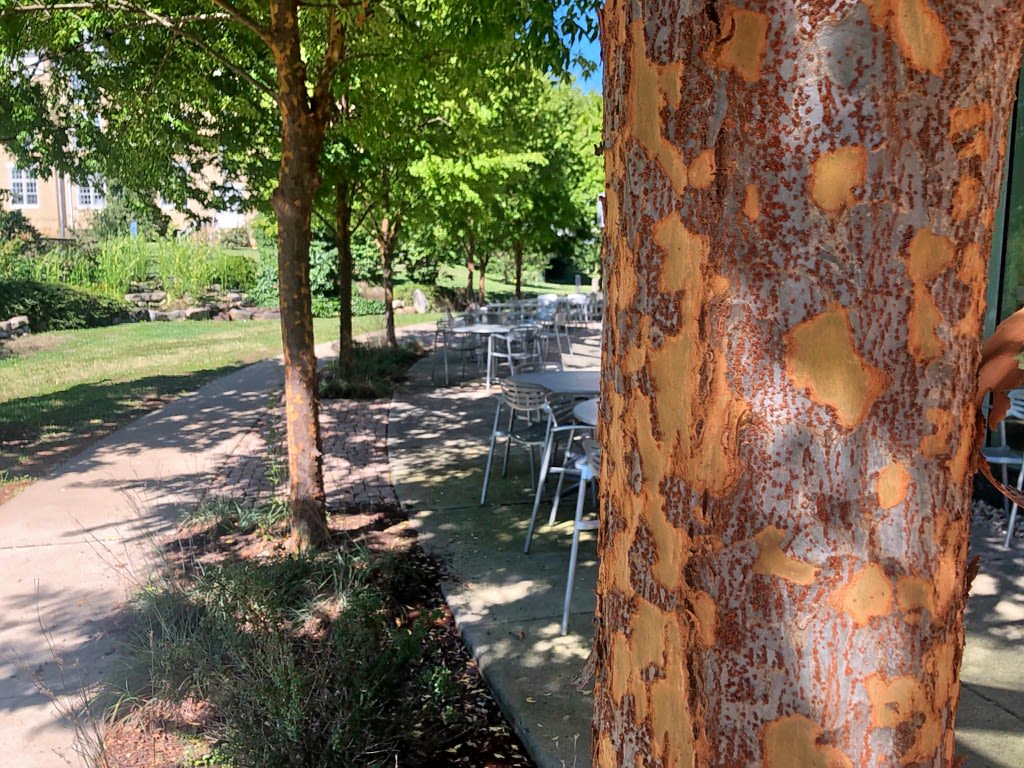
The unique bark of a lacebark elm tree
The unique bark of a lacebark elm tree
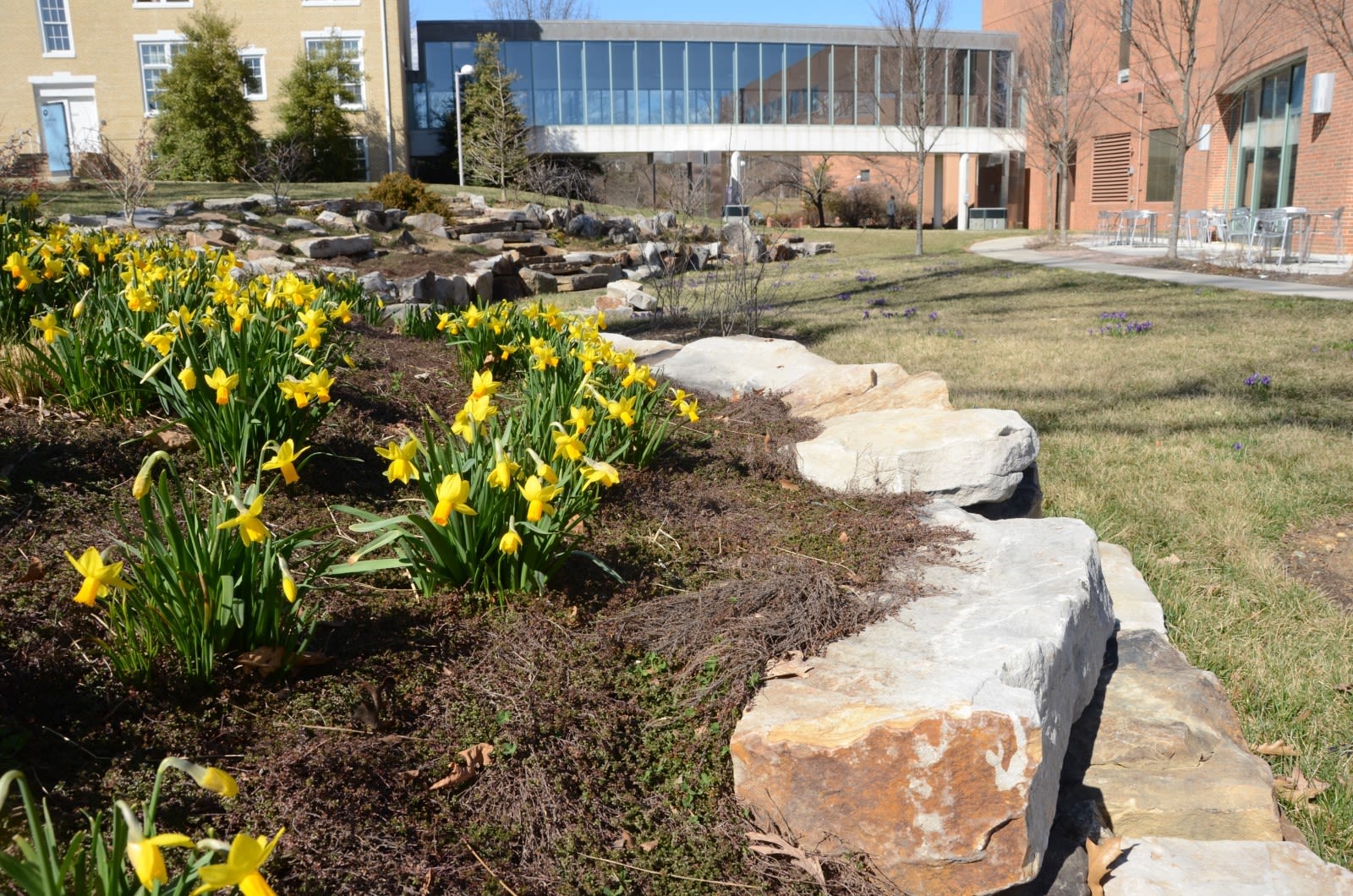
Daffodils blooming in early spring
Daffodils blooming in early spring
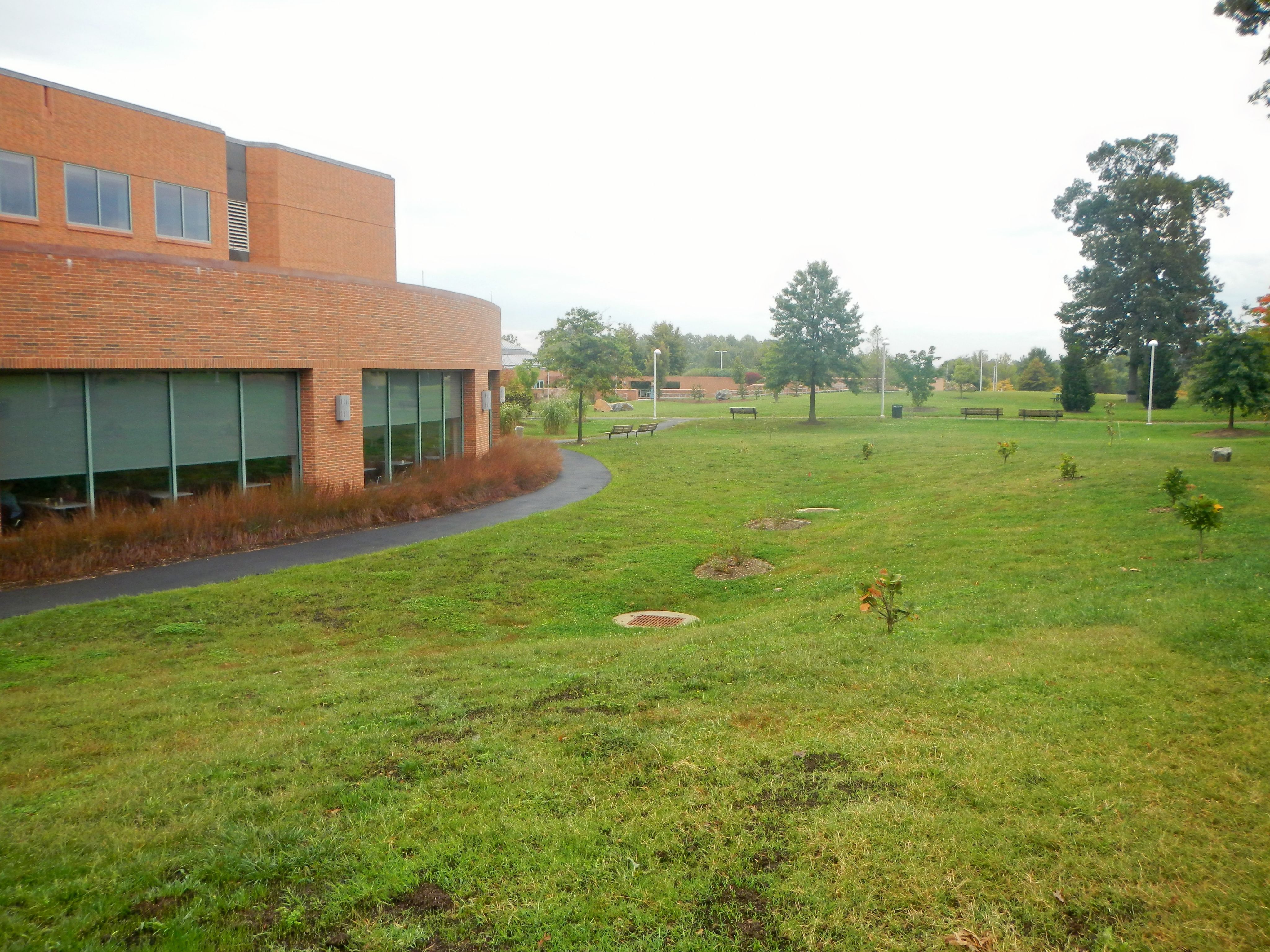
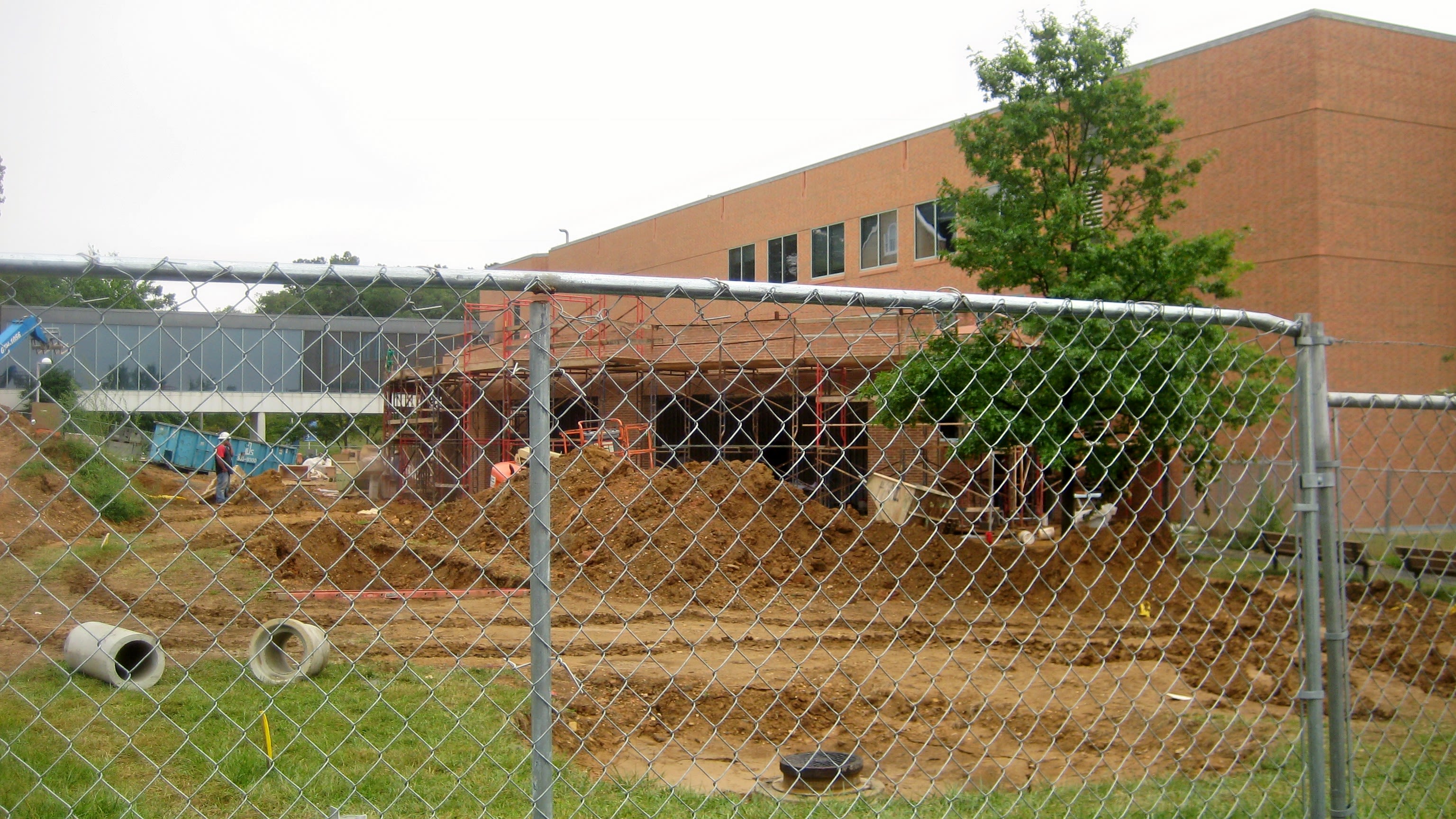
A before view of the Rockery
A before view of the Rockery

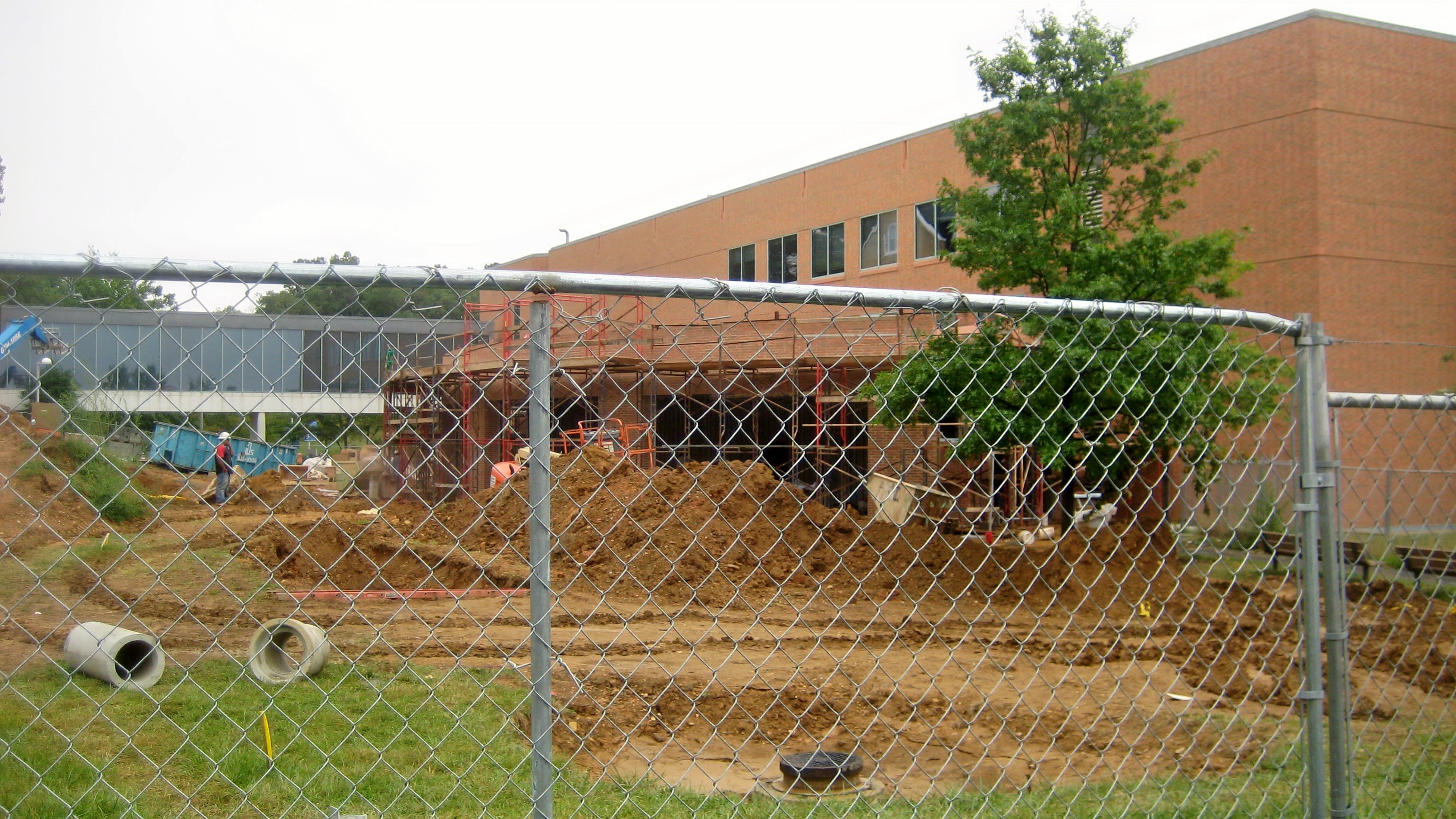
Construction of the cafeteria annex
Construction of the cafeteria annex
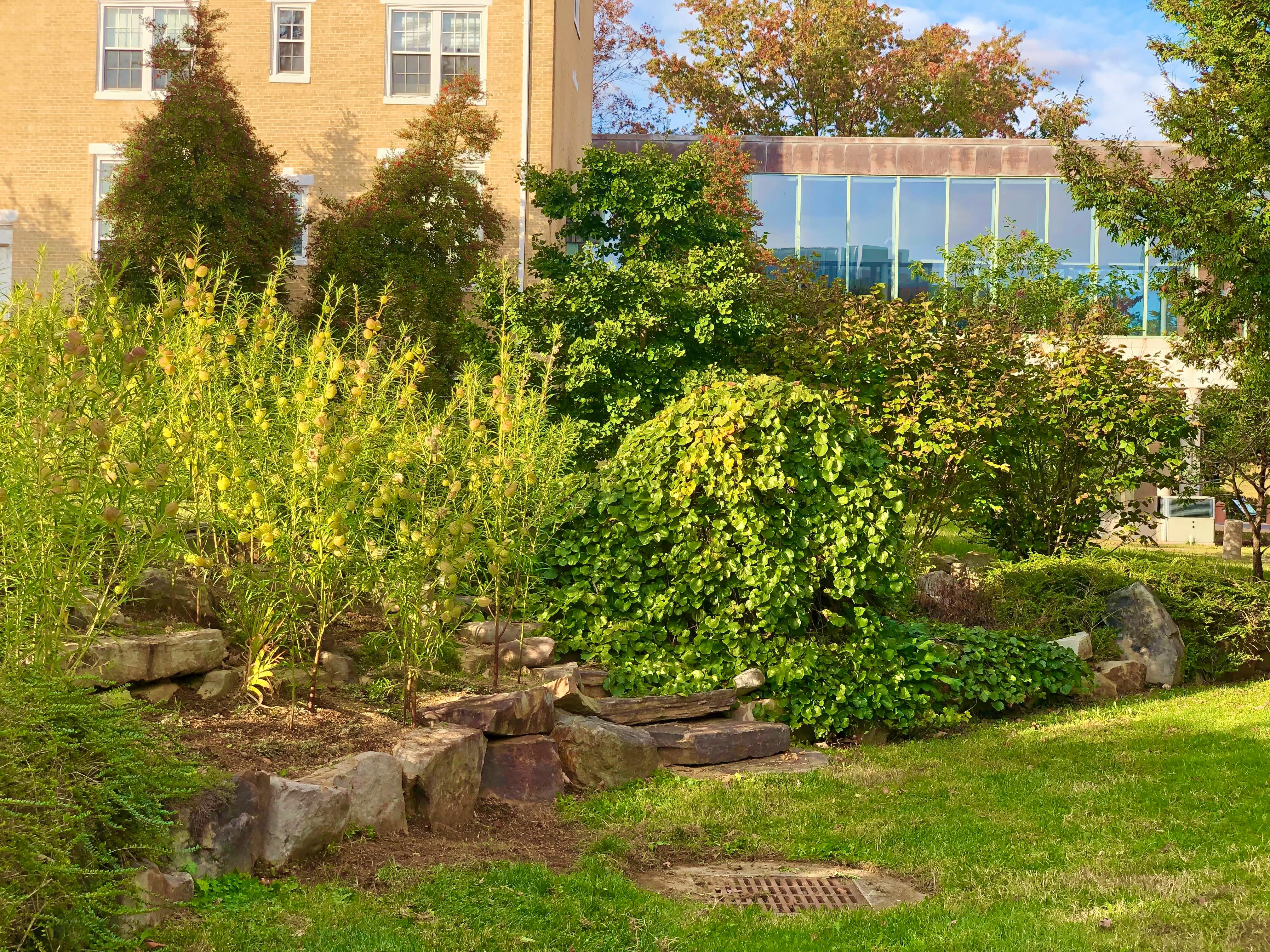
Bishop's balls on the left, 'traveler' redbud on the right
Bishop's balls on the left, 'traveler' redbud on the right

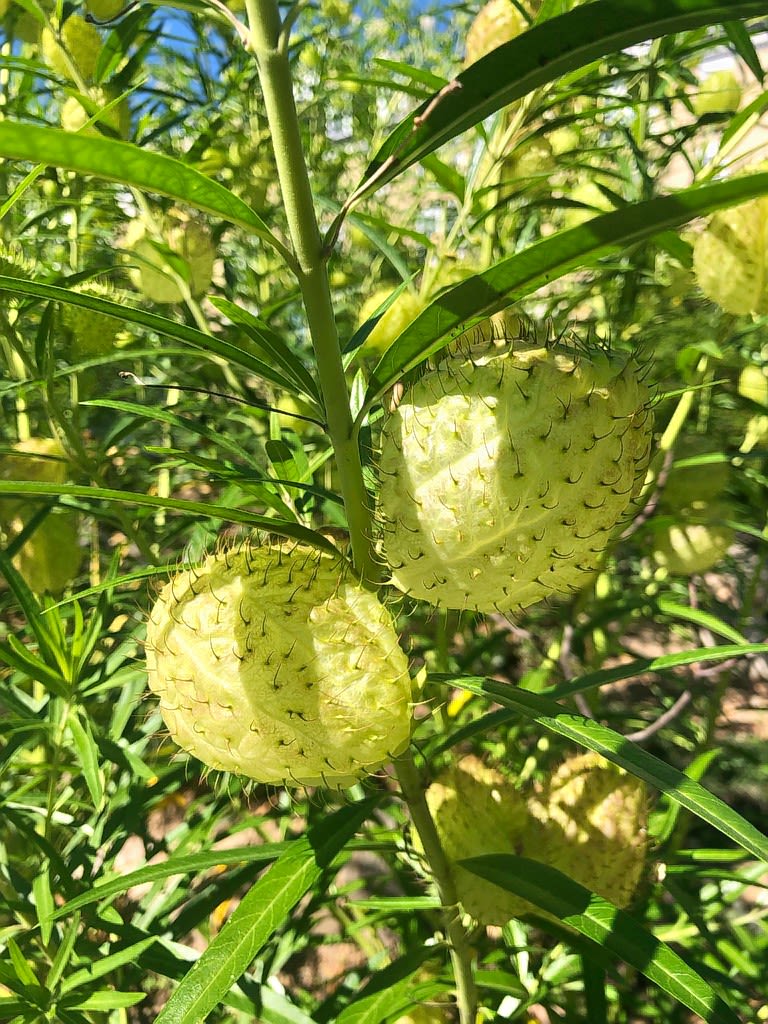
The balloon-shaped seedpods of bishop's balls
The balloon-shaped seedpods of bishop's balls
Through the Years
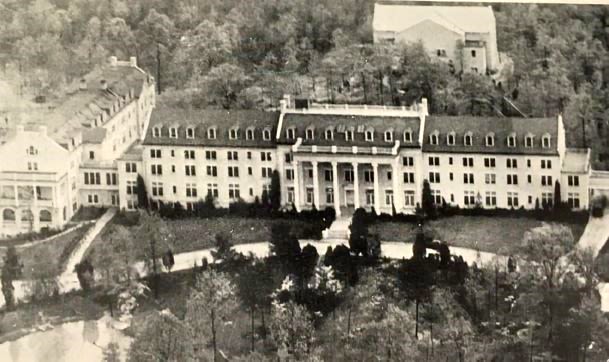
On this site once stood a massive dormitory and cafeteria building. Constructed for the Arlington Hall Junior College for Girls in 1927 and 1928, the building survived after the U.S. Army’s Signal Intelligence Service took possession of the site. However, due to architectural choices that could not be adapted to meet the standards of the Americans with Disabilities Act and an abundance of unsafe construction materials, including asbestos, the building was razed in 1990.