
The Romila Thapar Garden
The Grounds at NFATC
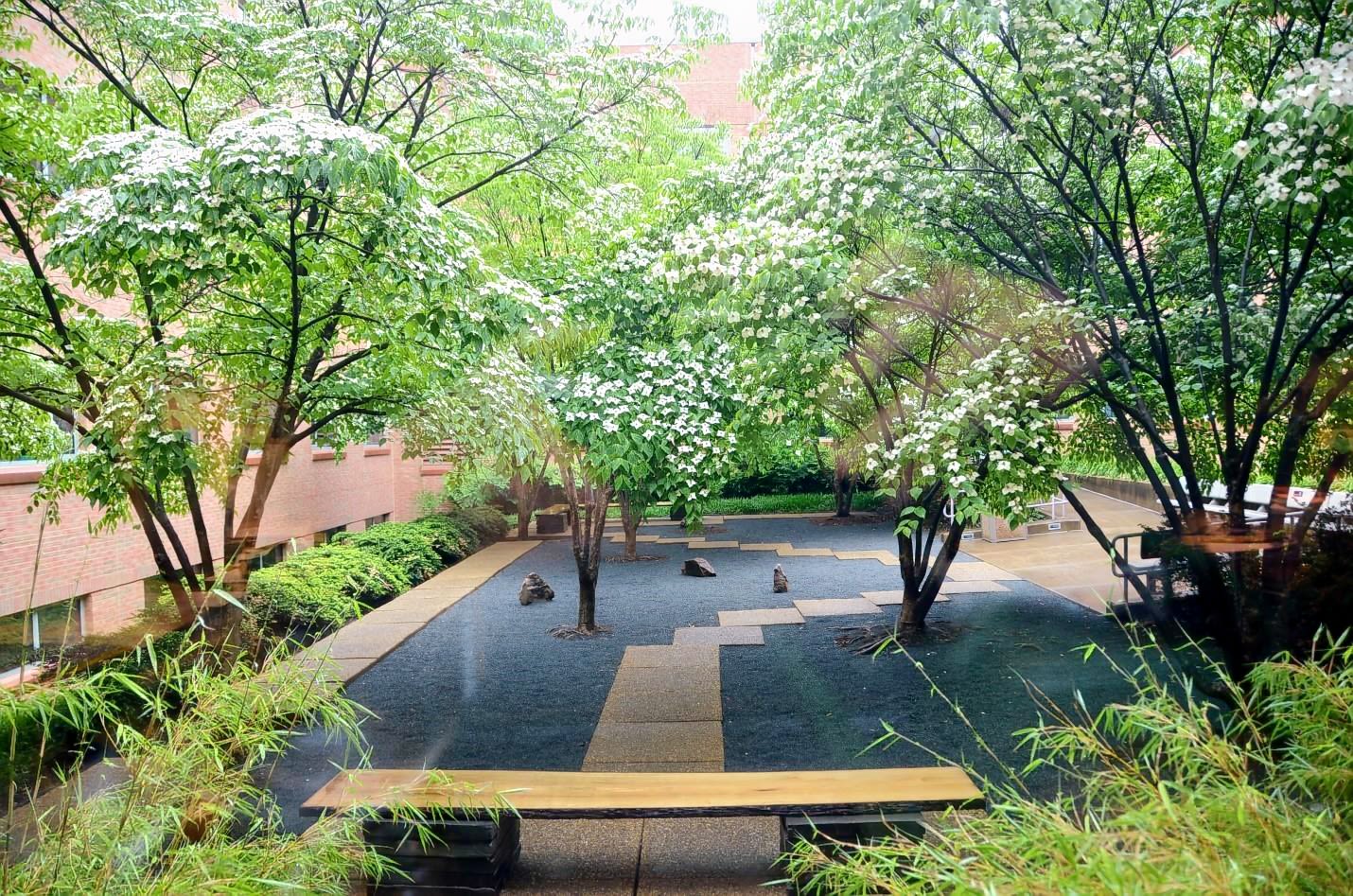

This garden is named in honor of Romila Thapar, the preeminent historian of ancient India, with whom NFATC Horticulturist Darren DeStefano enjoys a close relationship. This garden is a translated version of what he observed at the scholar’s humble garden—which she designed with filmmaker and naturalist Pradip Krishen—after visiting her home in New Delhi in 2014.
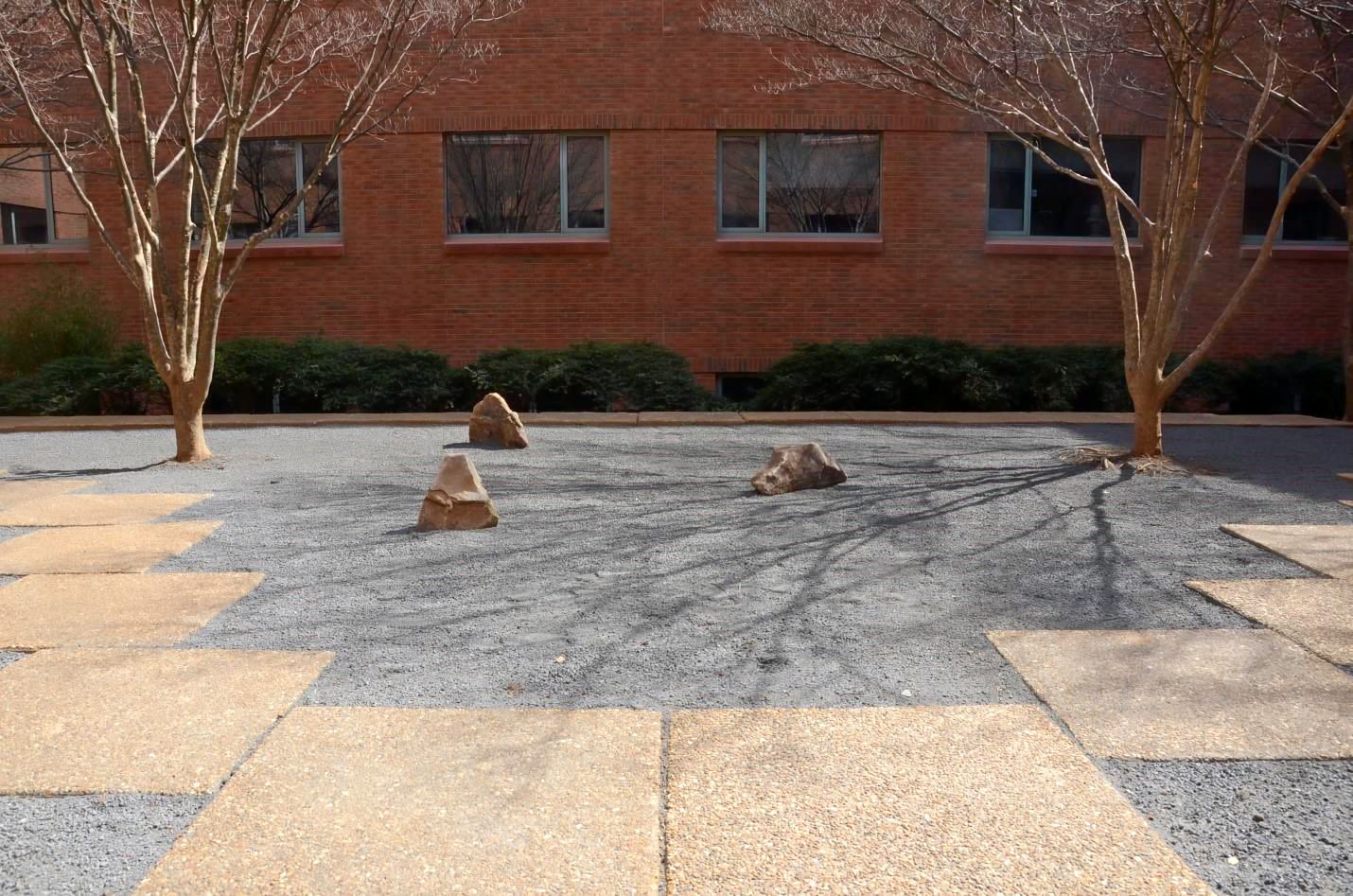
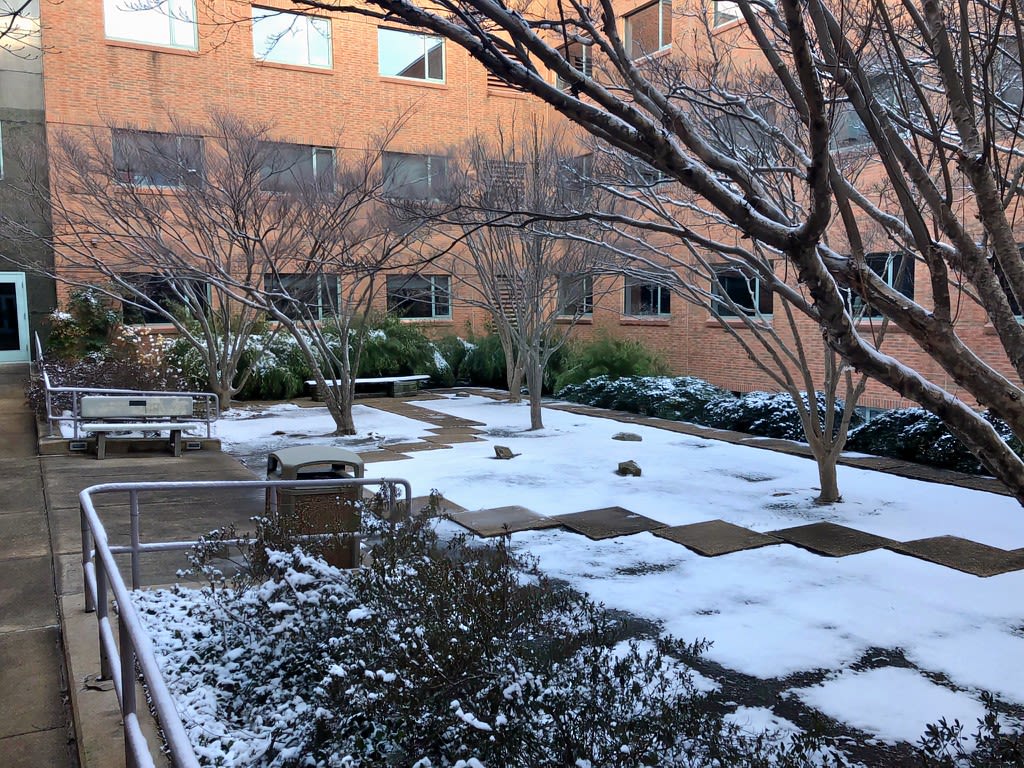
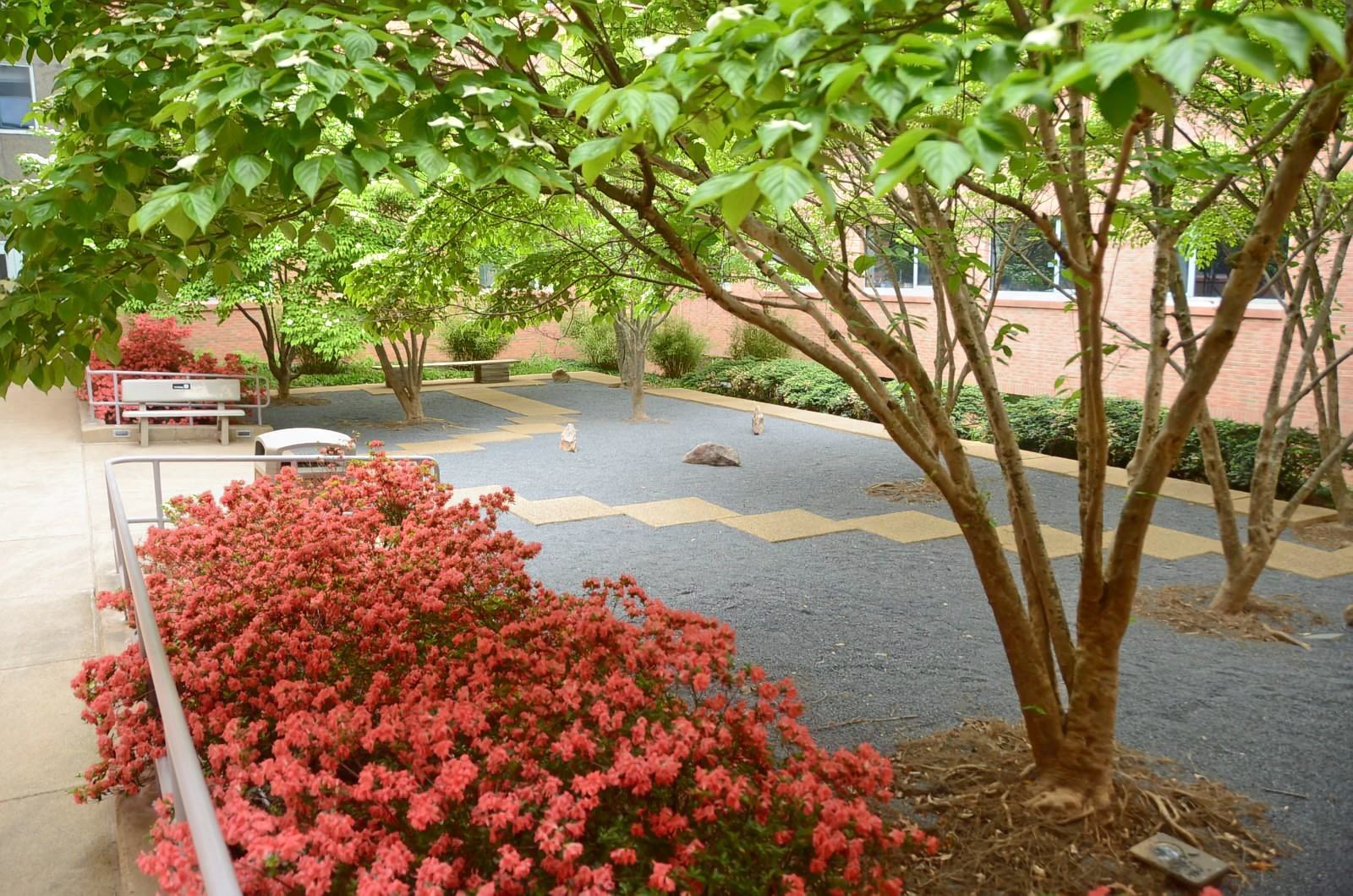
The Romila Thapar Garden fuses a Zen feel with jungle growth. Plantings of Fargesia bamboo, lilyturf, and Helleri holly complement the original Chinese dogwood. As opposed to the many gathering places and chaotic plantings of the grounds, this garden is serene, designed for focus and restoration.








Horticulturist's Tour
Listen to NFATC Horticulturist Darren DeStefano talk about his relationship with Romila Thapar and how she and her garden inspired him to design this space.
Select the play button to listen to the audio as you follow along with the transcript below.
There's a line between inspiration and imitation.
And I wanted this garden to be inspired by the focused concept of Zen and not a pale imitation of a space that I was not qualified to create.
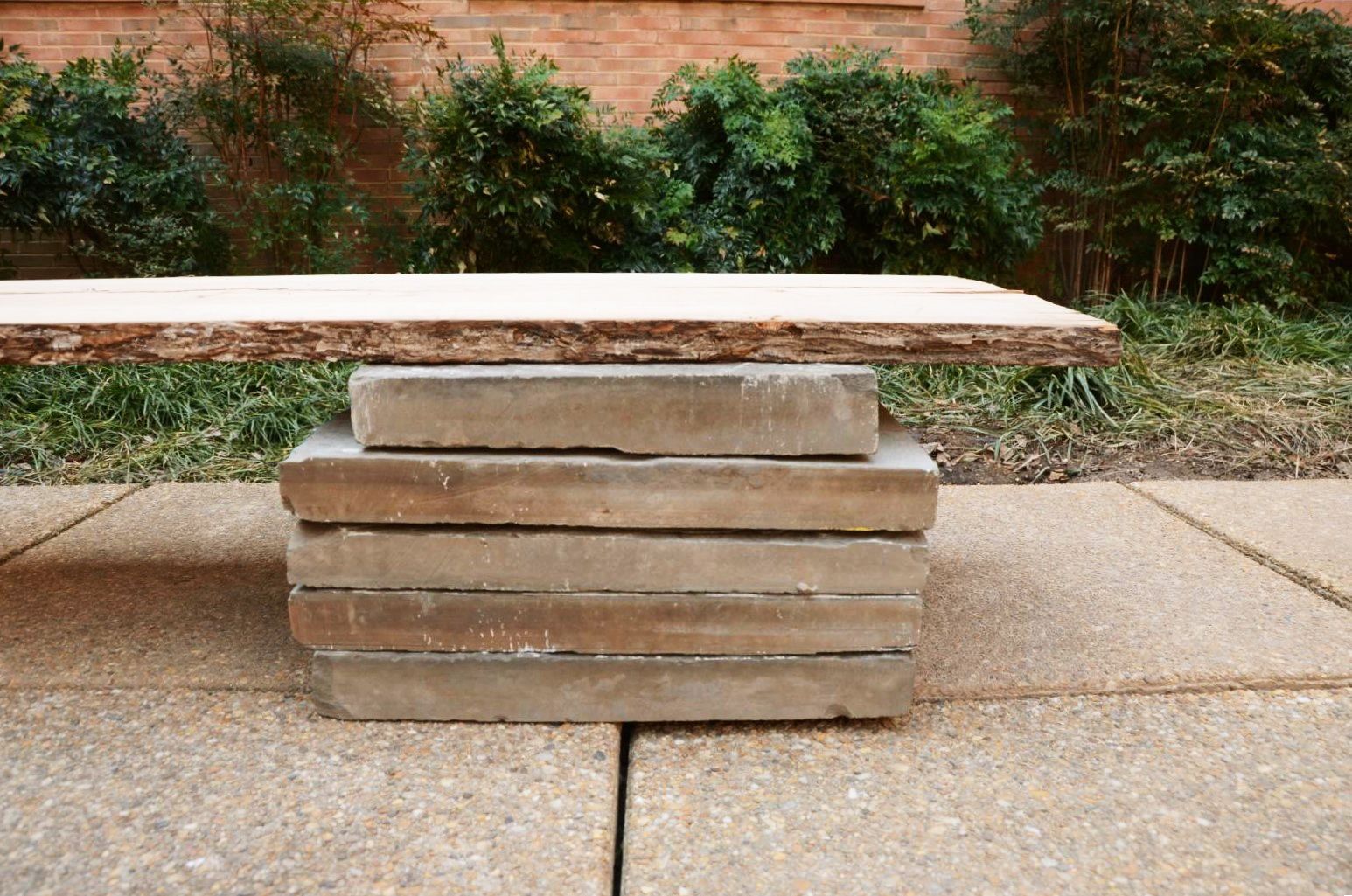
When I go in this garden, I go to think. I generally sit on the line of benches, set in the sunshine, and go over something in my head.
So, this is Romila's Garden, and I call it that because it's literally my version of the personal garden of Romila Thapar. I mean, she is a dear friend and Indian scholar who lives in New Delhi. And I was visiting her there in 2012 and was sitting in her garden with her and Pradip Krishen, the gentleman who helped her create it. We were discussing her irreverent take on a Zen garden because the space had a Zen-like quality but was bastardized with trees and kind of the cacophony of Delhi in the background, and it really didn't have the resonant qualities or extreme perfection that I associate with Zen gardens.
(Scroll to follow along with the audio.)
And creating a real thought-provoking space had been on my mind. I mean, I had been creating spaces that were intended for gathering. They were loud spaces, places where teachers could talk and conversations could be had, where friends could meet, and this was my focus—creating spaces, creating places.
But I wanted to turn away from that and to create a place of solitude on campus, a place of reflection. I had not wanted to take on the challenge of a Zen garden because I know that I'm not in the space to do it. I haven't labored in the craft for long enough to attempt its production.
And it wasn’t until I was with Romila and Pradip that I realized that there was a third path—that I could nod towards it without attempting to actually do it.
So, I returned from India, and I walked into this courtyard in the F Building, and I saw an underutilized space. It was the most highly designed space on campus actually. It was not with little effort, its production.
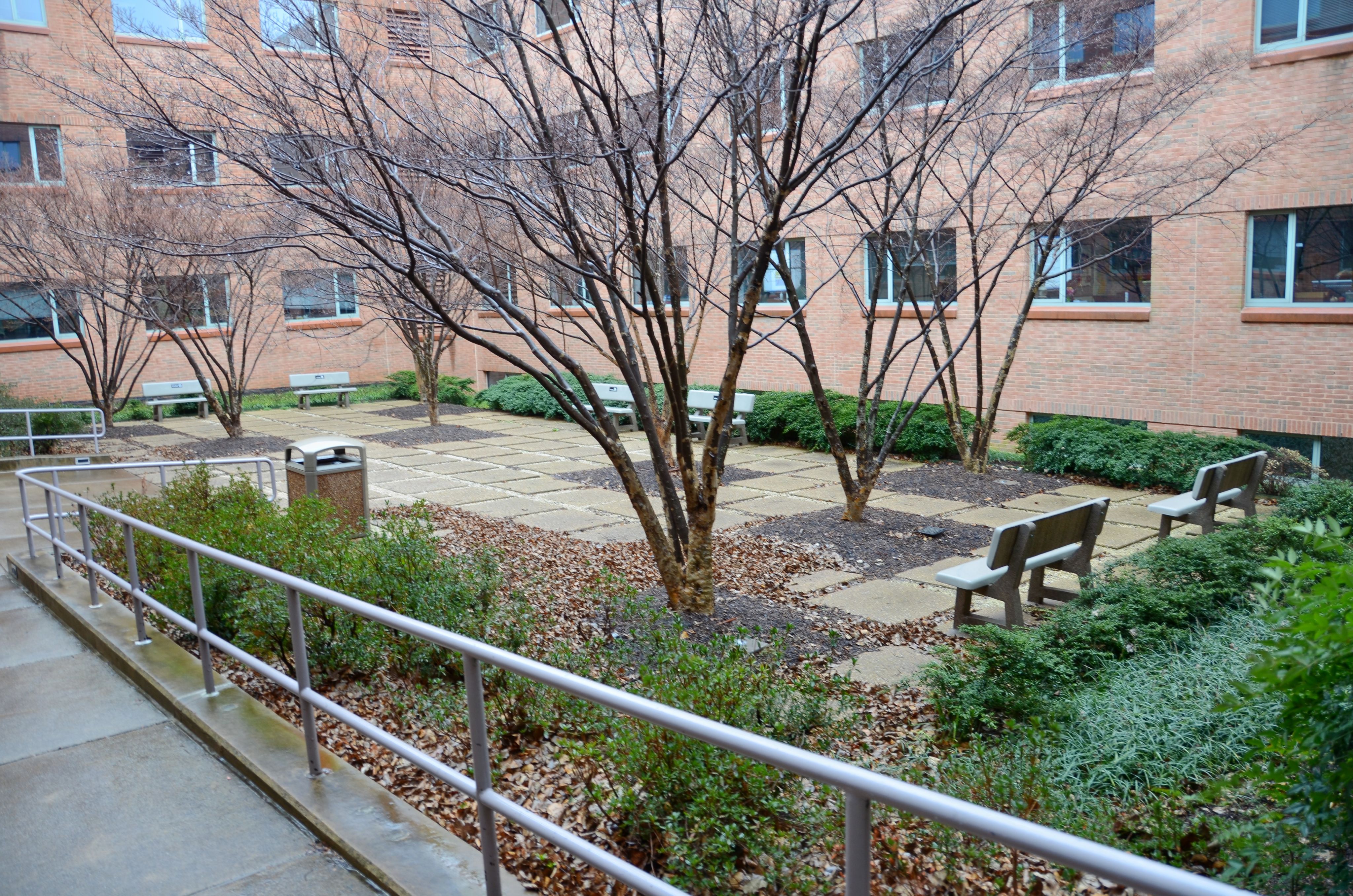
So, there were, there was a checkerboard pattern of poured-in-place aggregate slabs, but it had not aged well. The gaps in between the slabs were just large enough to twist your ankle. And the trees in the space were actually in good health. They had just been over-mulched for many years, and they were emerging out of these volcanoes, and they were suffering from girdling roots that had started to grow into this over-mulch.
And while the space had been highly designed, it actually was never properly graded. So it was on a pretty significant slope that was leaning towards the south. And that single oversight kind of spoiled the whole vision. It didn't look like a comfortable place to be. It always felt like you were teetering.
When I got back from India—and I was trying to find this more contemplative space, this place where you could actually gather your thoughts and bring a level of focus. I liked this space because it was quiet—it was unutilized. And I had come back in the winter, and it was sun soaked on the northern face.
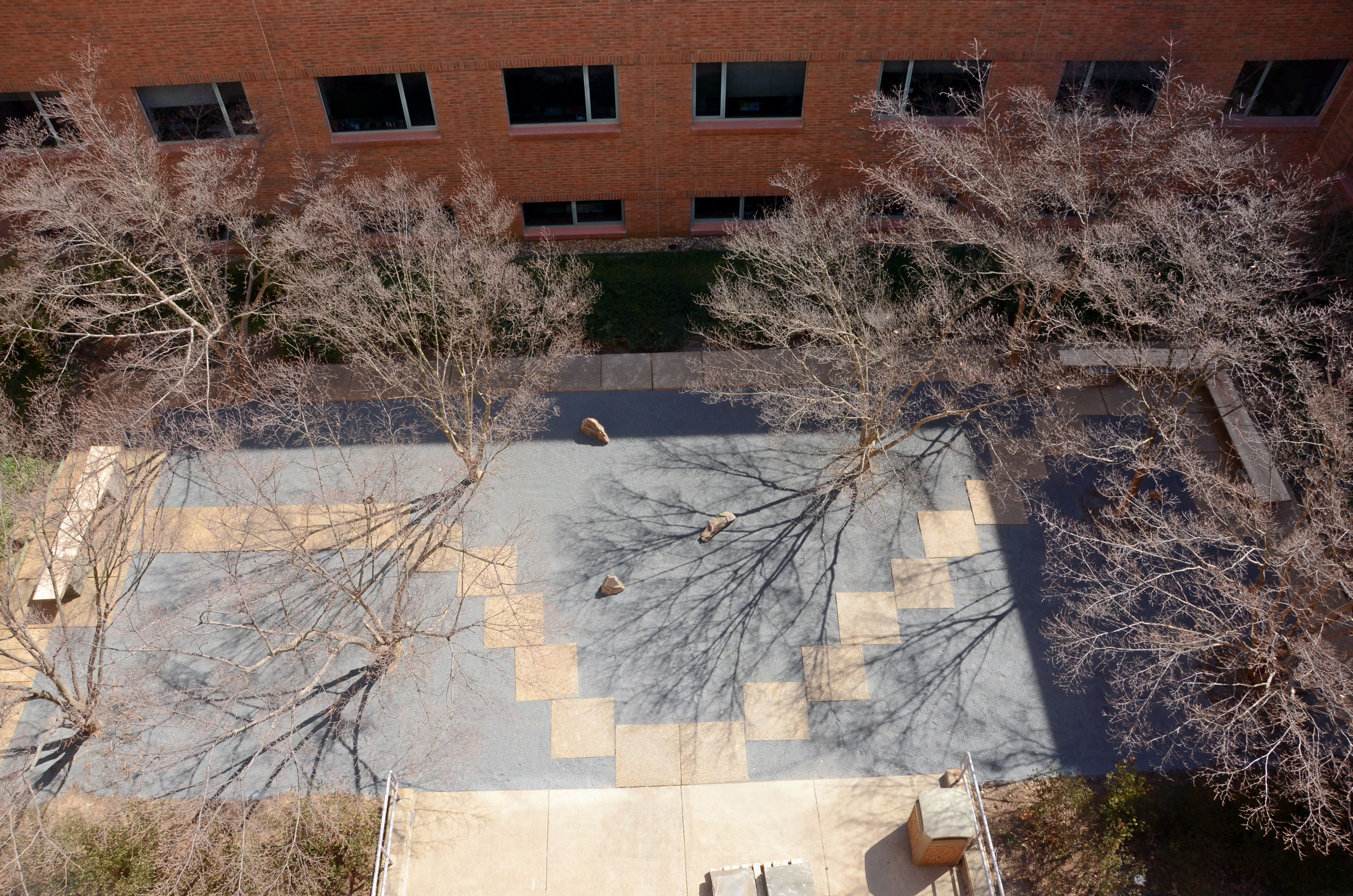
So, the first task was leveling the space, which was no minor challenge. And once we got the blocks in shape and lifted, I sought to create a retaining wall on the southern side to be level with the northern edge and then taper on the east and west. Once we’d created that rectangle, then it was about recreating this style of path that I had experienced in Romila’s Garden—one at an angle and another at a corner with these voids in between where trees are present.
This is also the garden where I put the mint from Paulette’s garden. Actually, Paulette was a French teacher who passed away, and her family invited me to her home in order to transplant this mint that she often plucked and carried to campus and drank with tea, offered it to friends and colleagues and students. And I have to say, it’s a remarkable mint. It has a leaf shape that I’ve not encountered otherwise. It’s very durable and it has a great flavor.
The only plantings that I added to this space were Fargesia bamboo and Edgeworthia, or paperbush. So, a very focused planting, kind of the opposite of what you find in a lot of the other spaces that I created on campus. That was with intention. This is not a lush garden of distraction. This is a spare and focused garden of concentration.
And one of the things that really set off my whole design principle of this garden was that it had six benches and every one of them had a sign on it that said 'No smoking,' and by this point, there wasn't a lot of people smoking anymore, but there were plenty of people that were phoning. I remember taking one of those signs and creating a 'No phoning' version. And that was kind of my, that was my rallying cry—this idea of silence, of no phoning.
Through the Seasons
Select each of the images below to zoom in and learn more.

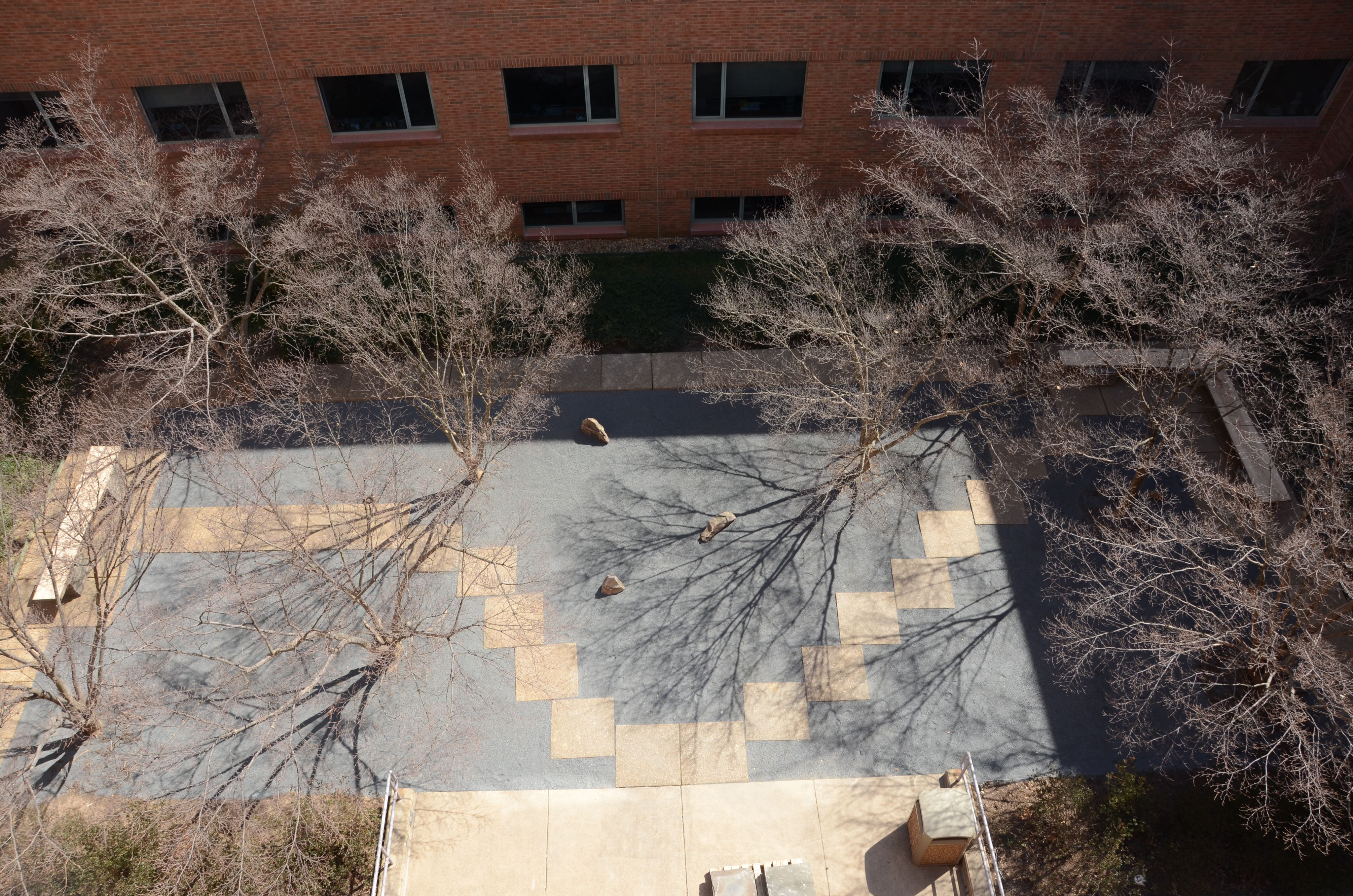
An aerial view of the garden featuring the two paths visitors can meander through
An aerial view of the garden featuring the two paths visitors can meander through

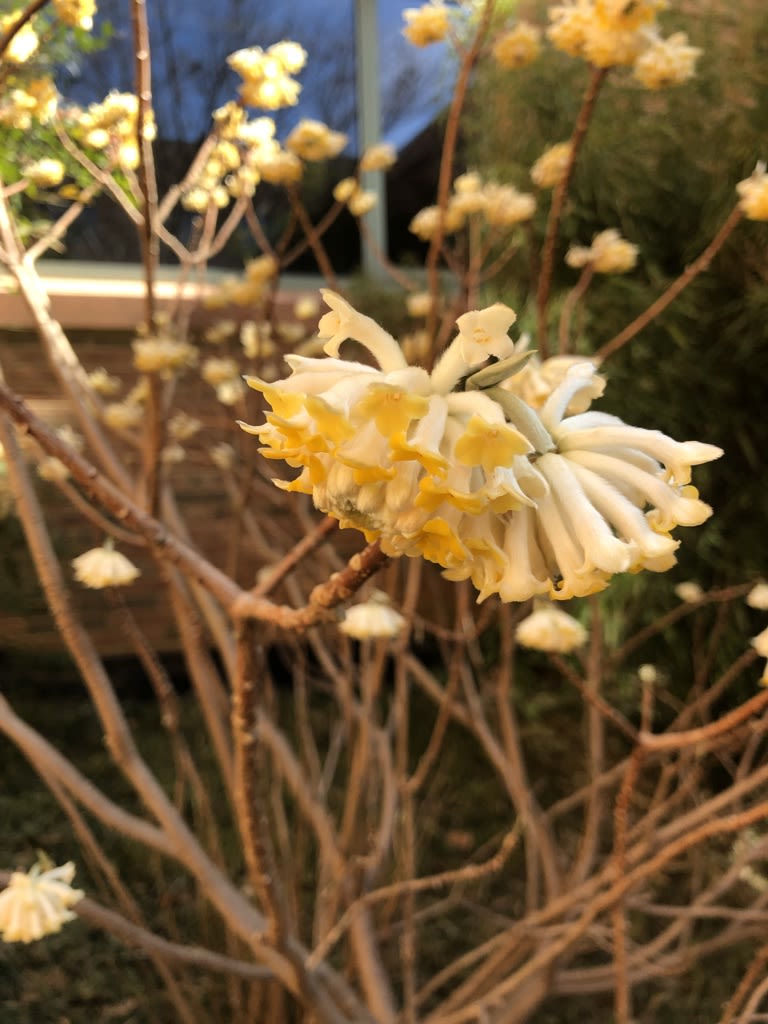
Paperbush in bloom
Paperbush in bloom

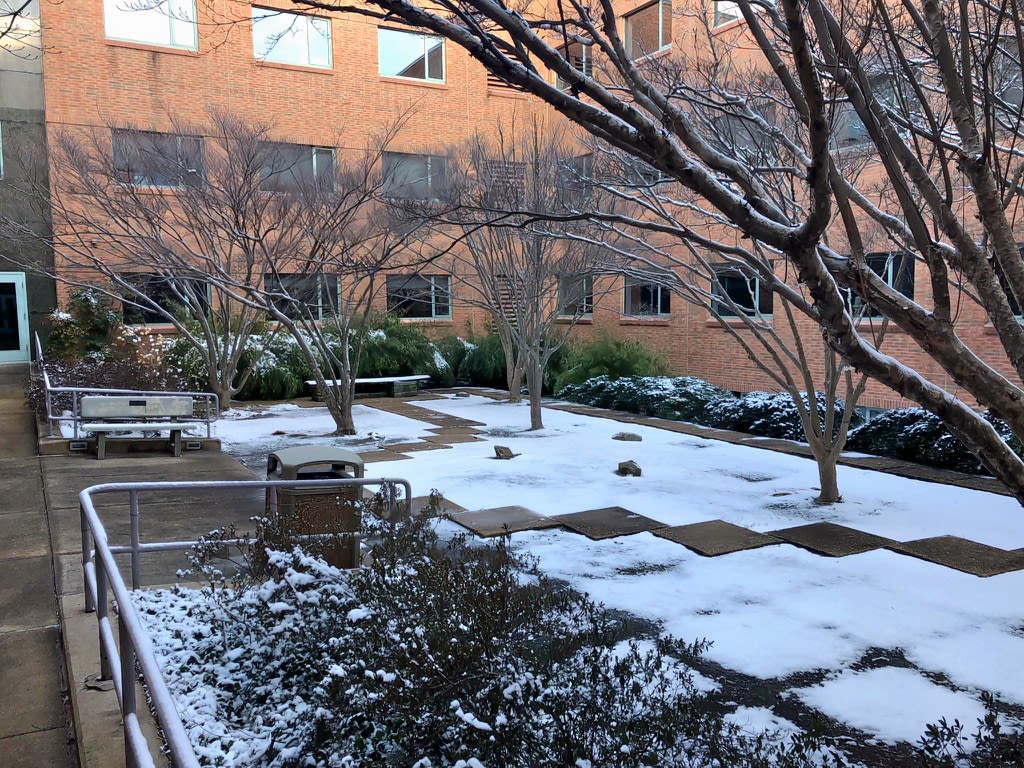
The Romila Thapar Garden in winter
The Romila Thapar Garden in winter

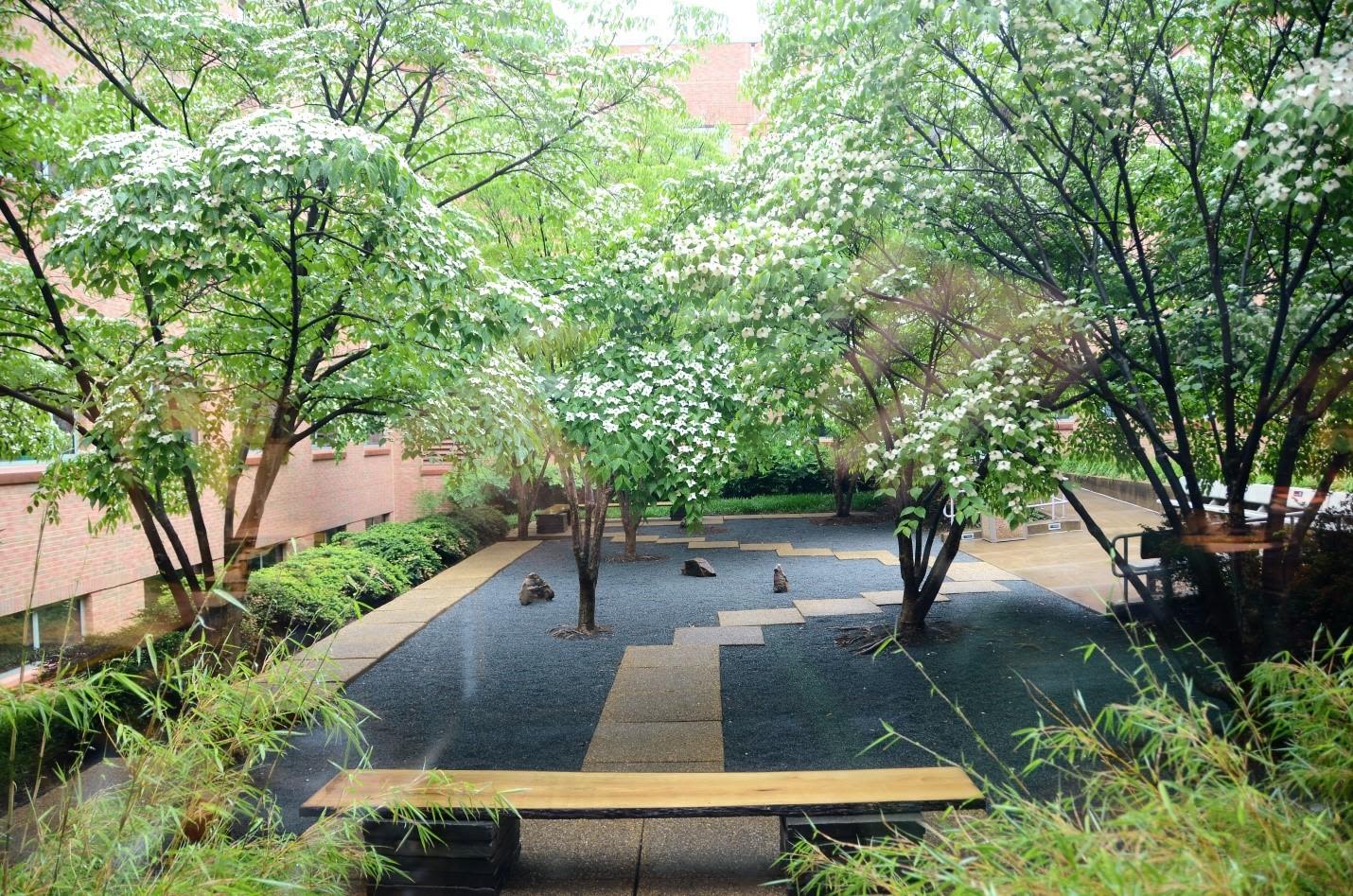
The Chinese dogwoods in bloom in spring
The Chinese dogwoods in bloom in spring
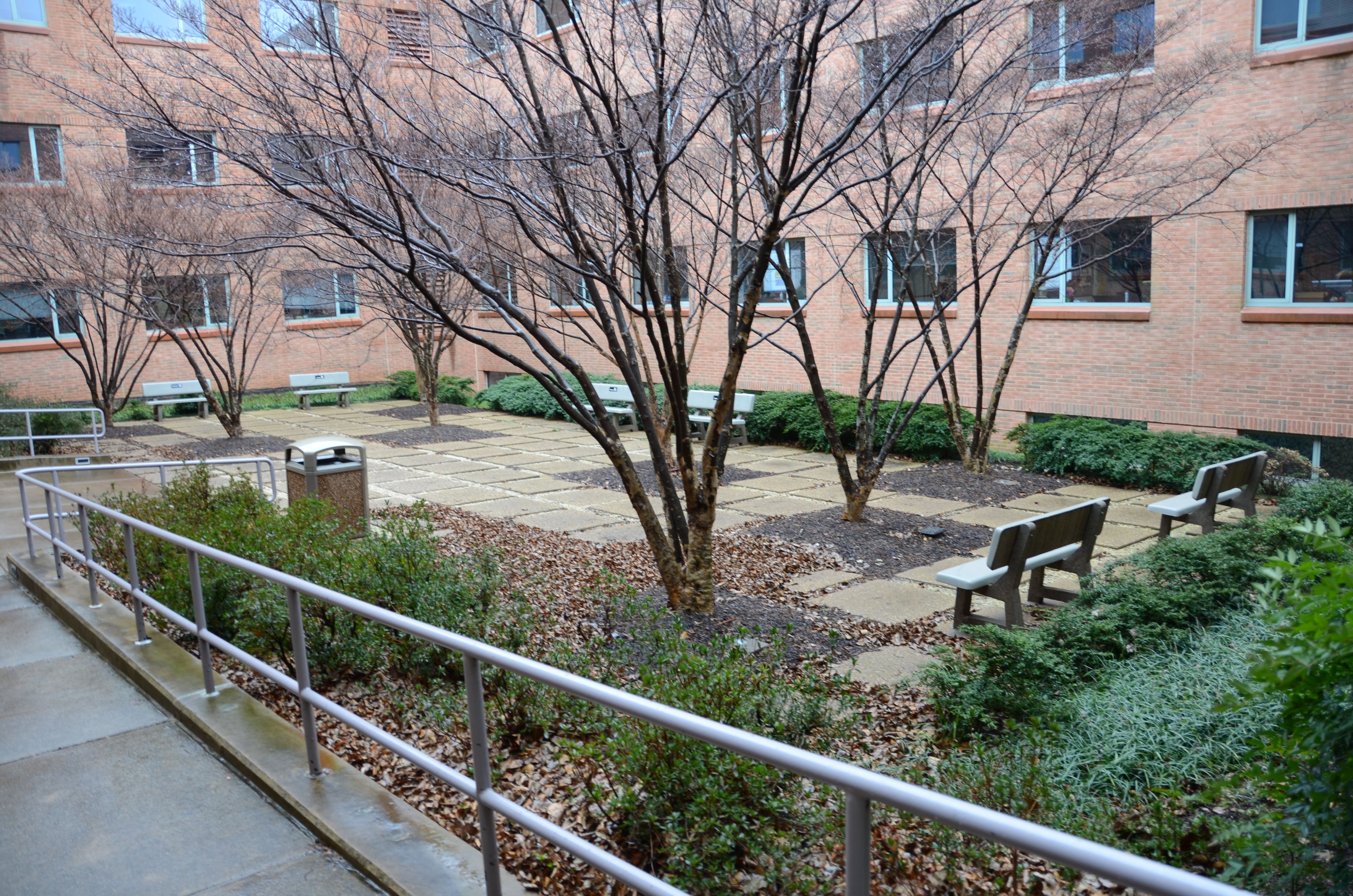
The courtyard prior to its revision into the Romila Thapar Garden
The courtyard prior to its revision into the Romila Thapar Garden

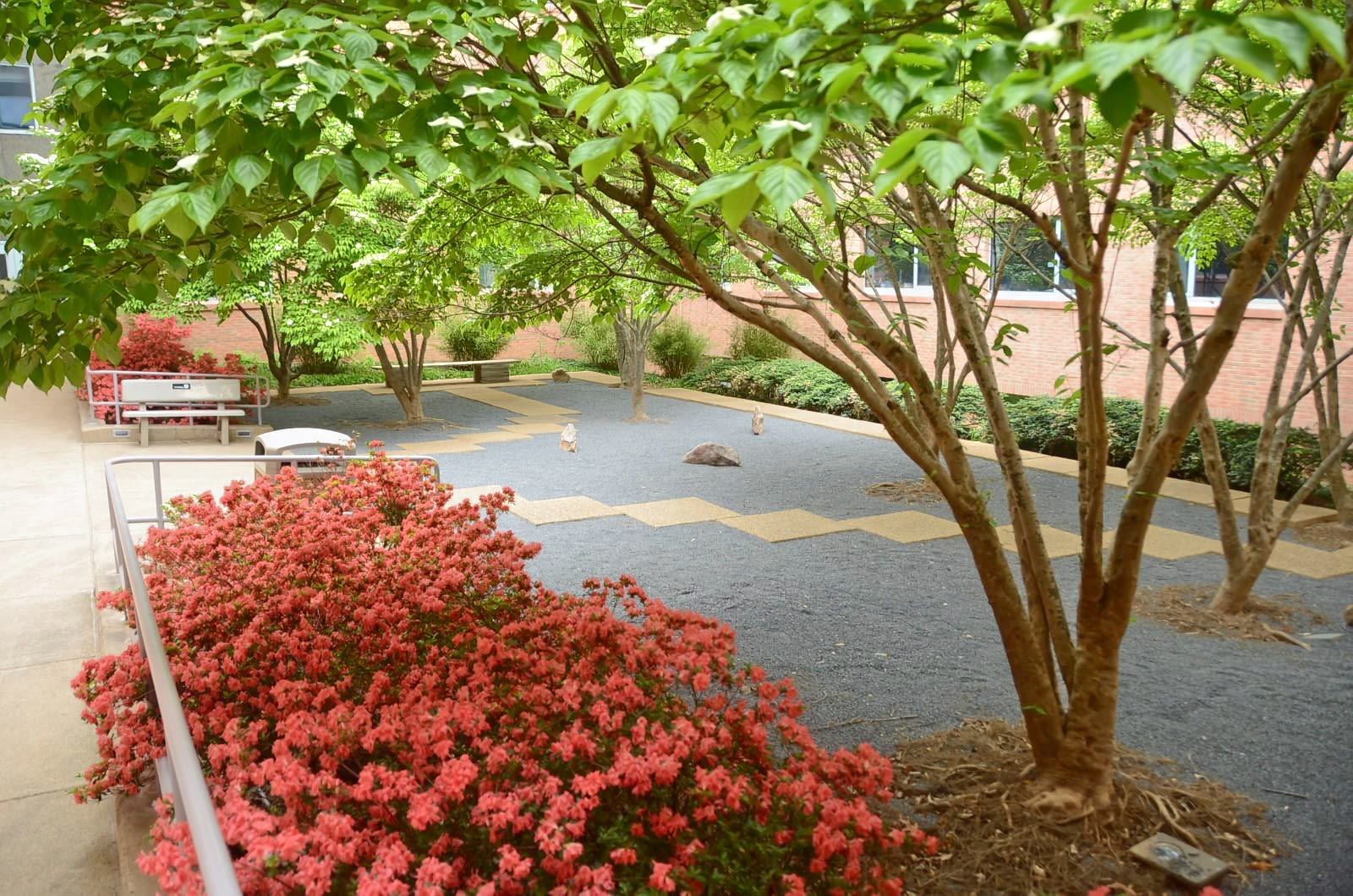
Azaleas in bloom
Azaleas in bloom
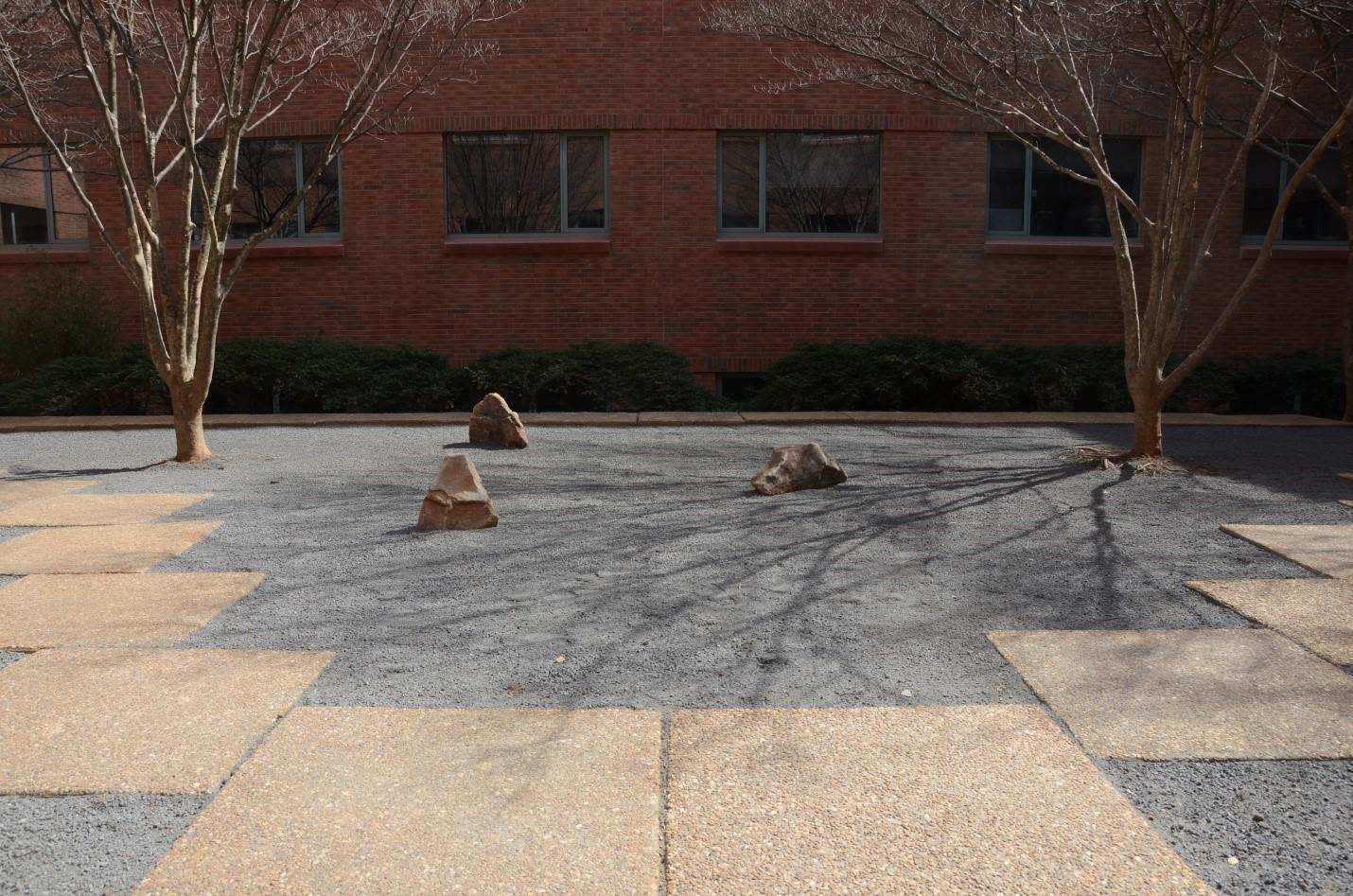
Entry view to the Romila Thapar Garden
Entry view to the Romila Thapar Garden

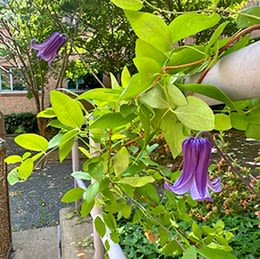
The delicate bells of clematis 'rooguchi'
The delicate bells of clematis 'rooguchi'