
The Quercetum
The Grounds at NFATC

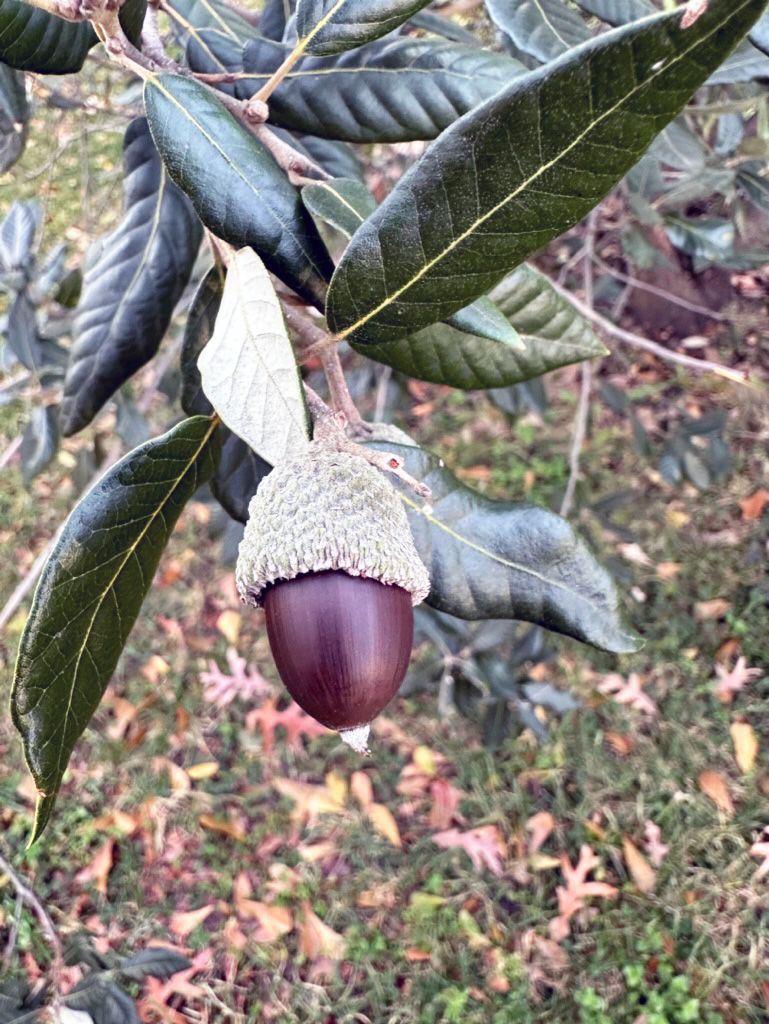
The Quercetum is NFATC's collection of oak trees. In a way, it serves as the bedrock to what gives NFATC a sense of place. At this institute of American diplomacy, the collection features the United States’ national tree and includes a native oak grove and foreign collections. On another level, the Quercetum spans much of the historic district of campus with a focus on the south lawn of Arlington Hall (the E Building).
Enjoy the firm, unwavering presence of the oaks and historical architecture on campus. And be sure to not take their complexity for granted. The entire collection contains over 40 species from Asia, Europe, and North America, and ranges in size from deciduous towering trees to evergreen scrub brush species.
These species include: Armenian oak (Quercus pontica), Gambel oak (Quercus gambelli), southern live oak (Quercus virginiana), bur oak (Quercus macrocarpa), shingle oak (Quercus imbricaria), Japanese emperor oak (Quercus dentata ‘Pinnatifida’), Turkey oak (Quercus cerris), chestnut-leaved oak (Quercus castaneifolia), and a unique hybrid of white oak and swamp white oak (Quercus alba x Quercus bicolor).






Horticulturist's Tour
Listen to NFATC Horticulturist, Darren DeStefano, talk about how the Quercetum came to be and some of its many notable species.
Select the play button to listen to the audio as you follow along with the transcript below.
Welcome to the Quercetum.
This is where the gardens really began. Back in 2006, in a meeting between [former Executive Director] Cathy Russell and myself, our first, we talked about the grounds and the potential. At the time, it was 64 acres, primarily lawn, a historic reservation that had a significant mature canopy of trees, primarily oaks.
And we talked about creating an environment that was conducive for learning, provided soft skill opportunity training for Foreign Service officers, and to create an atmosphere that was world class and where people wanted to come to work.
(Scroll to follow along with the audio.)
We talked about creating an arboretum—an arboreta generally focused on collecting a genus. Oak trees simply made sense. In 2004, Congress had designated the oak as our national tree, and the majority of the mature trees on campus were oaks. And so, it began. I started looking around to try to find oak trees to plant on campus, broaden the diversity, and to create a collection.
The first oak I planted came from Princeton Nursery. It was a hybrid between a white oak and a swamp white oak—something that potentially occurs in nature but was really a one-of-a-kind as far as intentional production. I was able to get the plant out of their breeding block as the nursery was closed and being sold. It was a large tree when I got it, already measuring four inches in diameter. And it was a significant effort to get it inside of campus and plant it.
After that, I really changed my approach and I started gathering highly unusual oak species, all as seedlings. They were mostly sent mail order, so I would get tiny trees, just whips, size of your pinky. Sometimes they were just sprouted acorns. And I started planting them on the oak lawn between old Arlington Hall and the D Building.
And I just was really rolling the dice to see what I could grow in the space. And as time went on and the collection grew, it was clear that we were going to have one of the more unusual collections of oaks in the country, and that we had had good success growing seedlings that far surpassed any of my expectations.
Oak trees, they’re not grown to flower. They’re not grown for beauty. You know, they’re grown because of their longevity and because of the symbolism of their strength and perseverance.
And one thing that I should add is that the oaks that are grown here, since they’re grown from seedlings, they exhibit their natural form and character. They’re exactly as they would grow in nature. Some of them have codominant stems. That has been allowed to develop over a period of years and has not been influenced.
Instead, each tree has been sited, located in whatever specific location and how the plants have been allowed to grow, according to their own natural habit, rather than be pruned and trained into being these archetypal trees.
Featured Plants

Armenian oak
Armenian oak

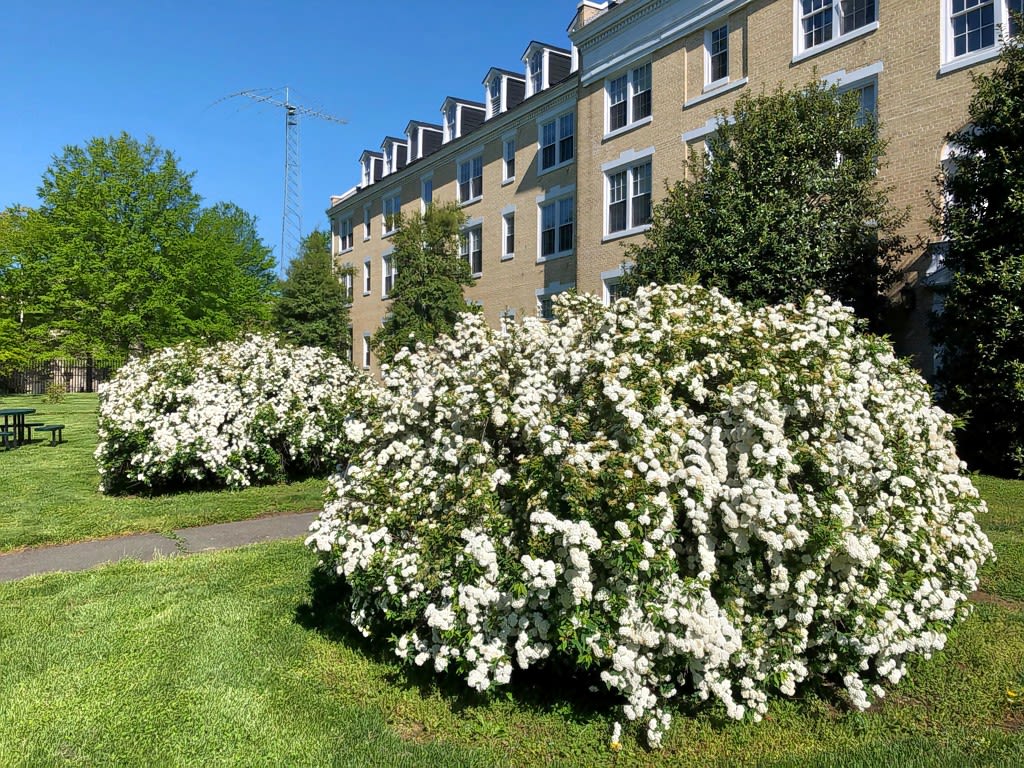
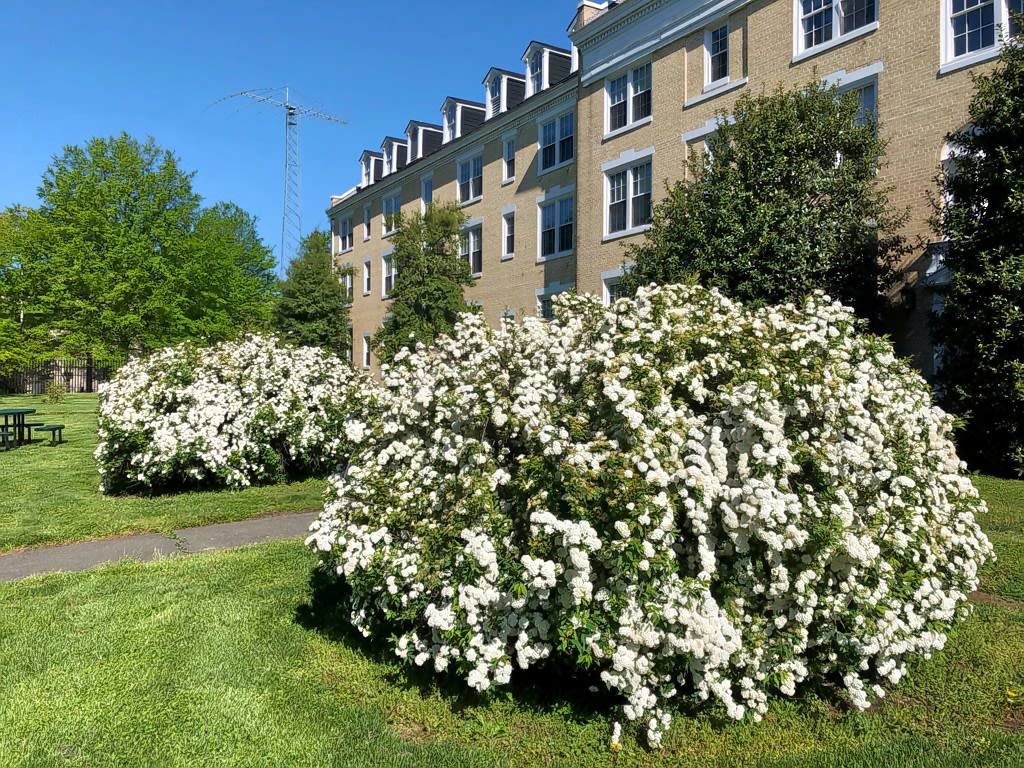
Bridal wreath
Bridal wreath

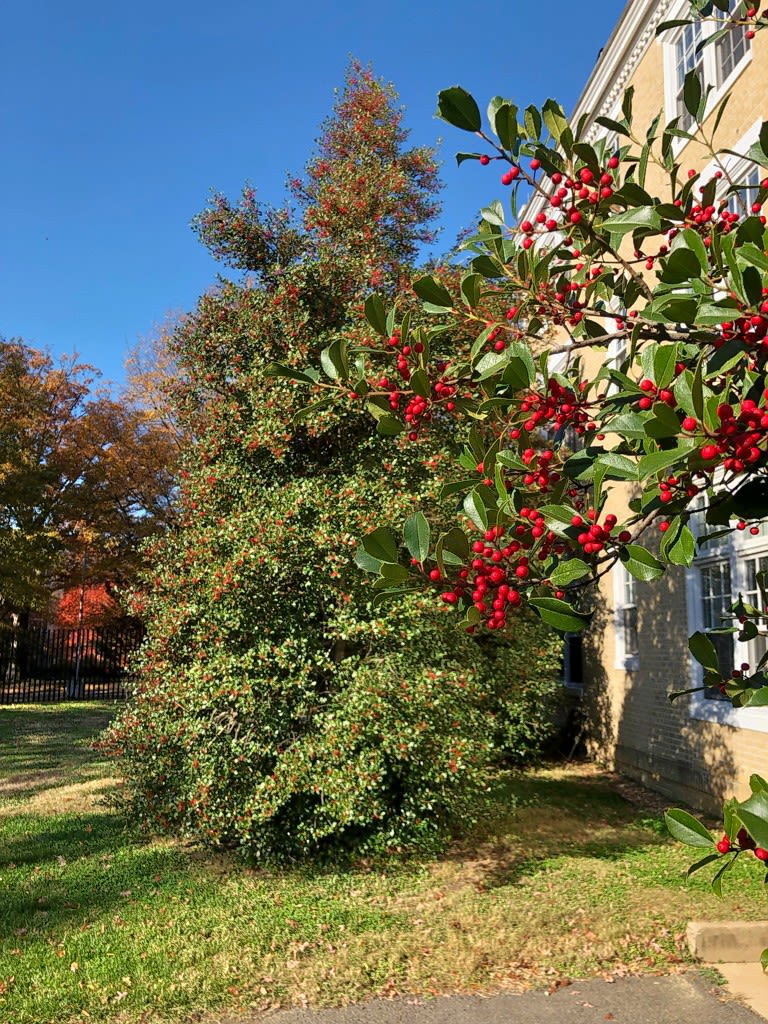
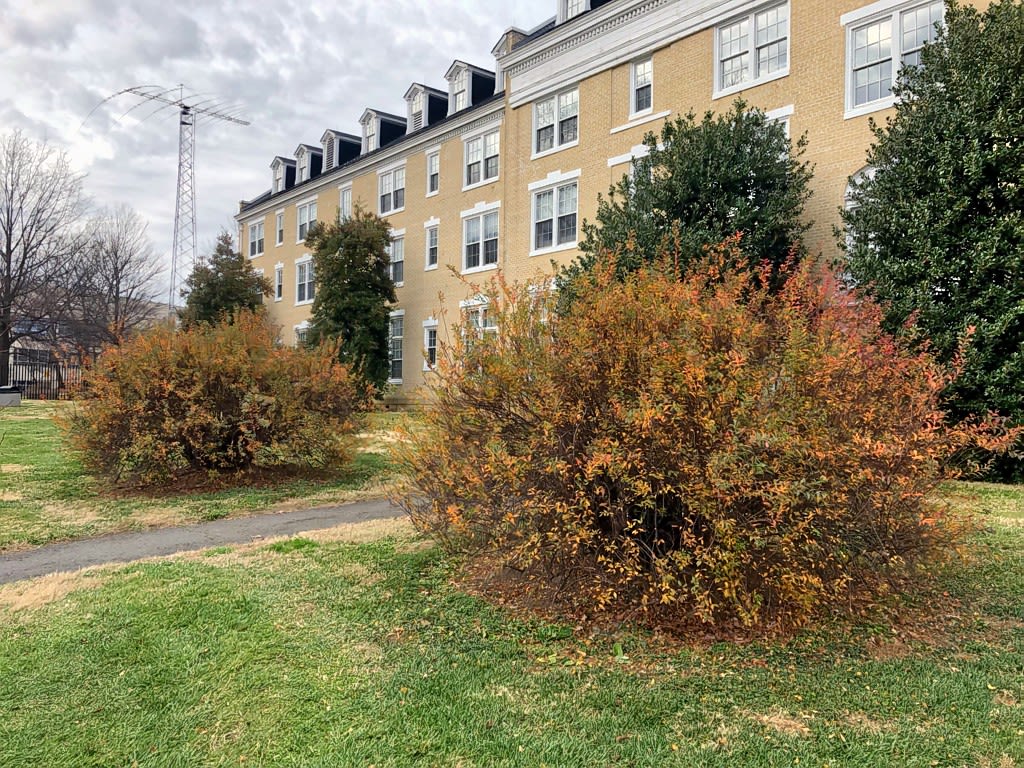
Foster's holly
Foster's holly
Armenian Oak
(Quercus pontica)
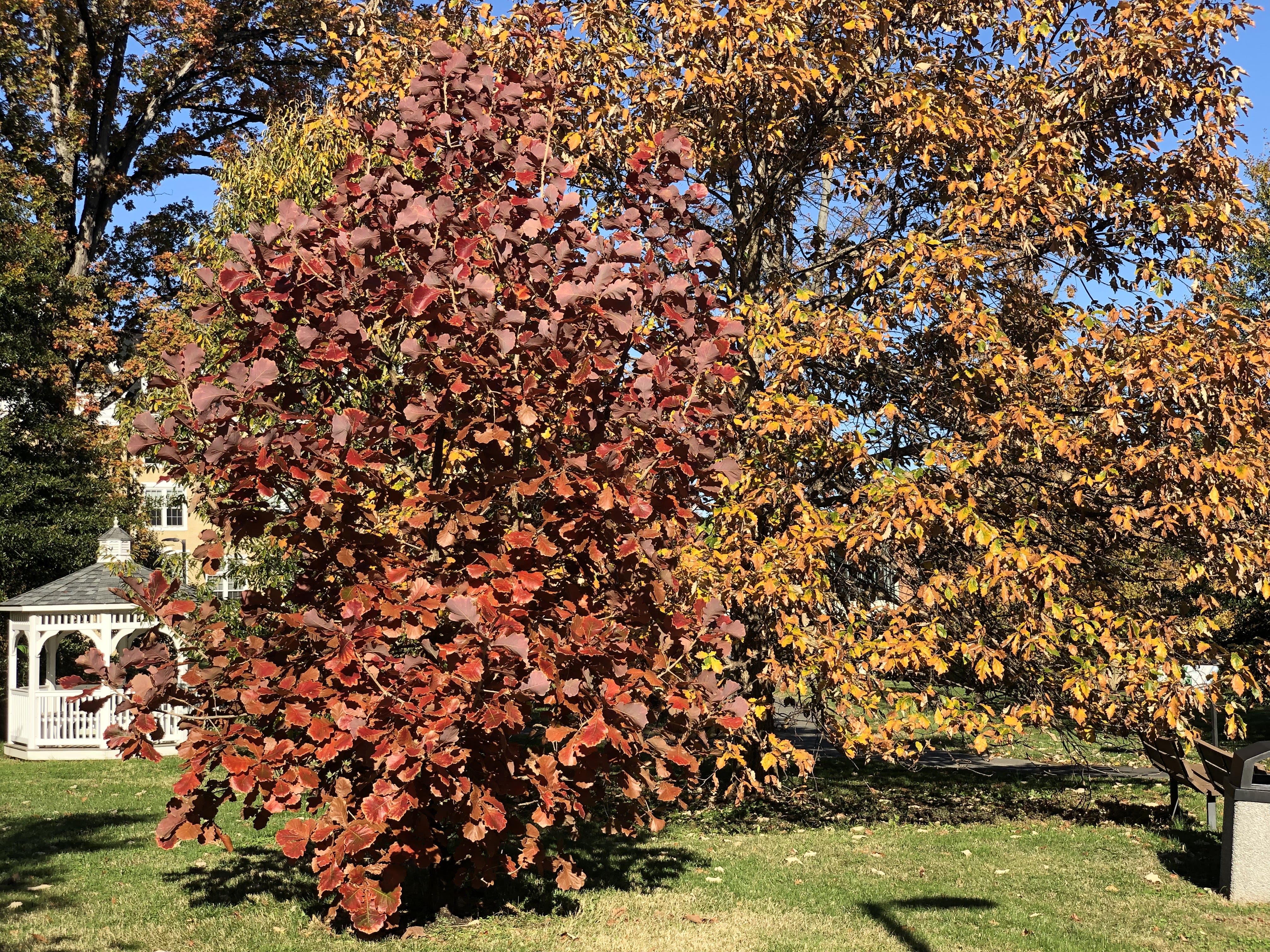
Armenian oak comes from seed collected in the 1990s on the sub-alpine slopes of Mount Ararat, the fabled dormant volcano and theorized resting place of Noah’s Ark. It was then cultivated in Europe, making its way to Oregon where it was grafted to native oak roots. It was planted on campus in 2008 and is one of the jewels of the collection.
Armenian oak is a scrub oak—short and stocky with thick glossy leaves adapted to life in arid conditions. Its massive conical buds are the last to break in spring and its leaf drop is among the first in autumn. Despite its lack of typical ornamental attributes and modest size, it exudes a strength of character—a pocket Hercules—unbowed and resilient.
Bridal Wreath
(Spirea x vanhouttei)
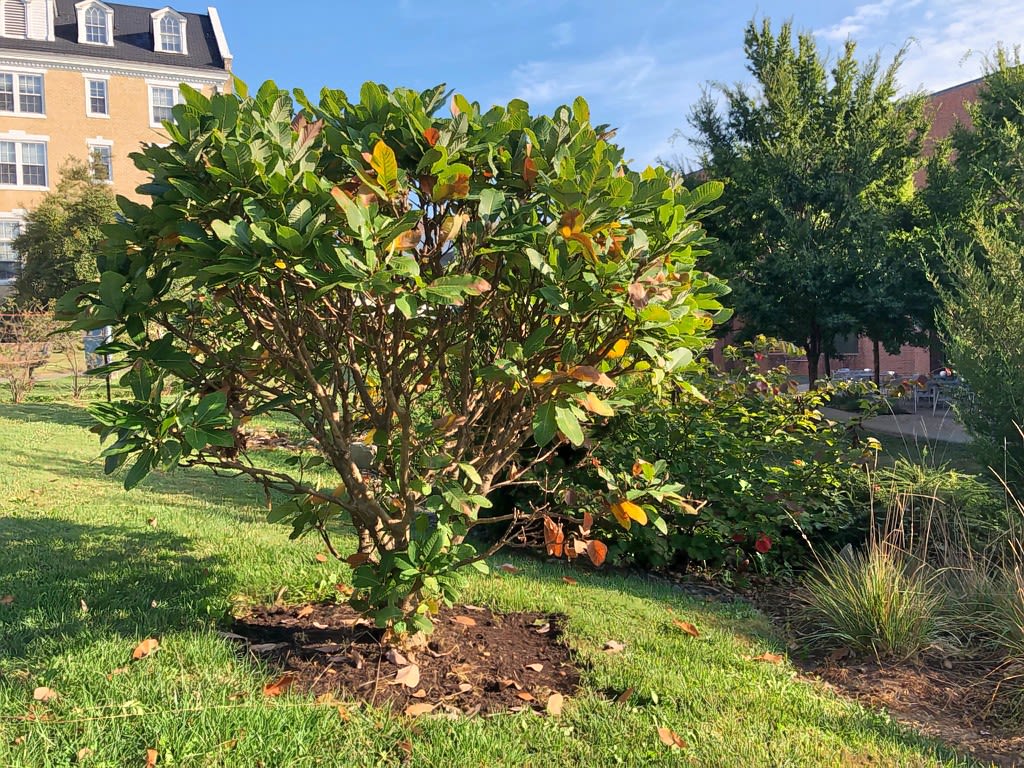
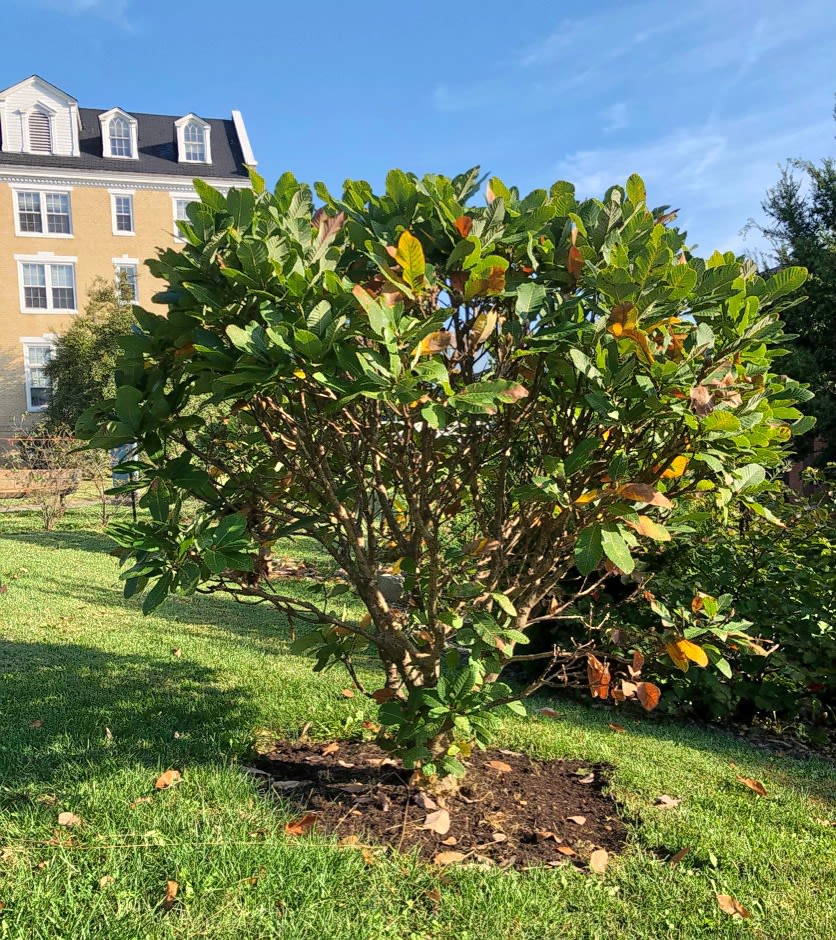
Bridal wreath is the result of the hybridization S. trilobata x S. cantoniensis. It was bred in 1862 in Fontenay-aux-Roses but popularized by Louis van Houtte, the renowned Belgian nurseryman of Ghent.
This is the classic spirea—a large-growing arched shrub with bluish-green spring foliage festooned with white mid-spring blossoms. It forms a strong green mound through the growing season that fades with little fall display but produces excellent proportions for an open lawn piece and is both durable and reliable.
The dominant garden spirea for decades, bridal wreath has been in the United States since 1882. While still produced, bridal wreath has lost sway in recent decades, giving way to dwarf cultivars that fit neatly into a modest modern landscape. The specimen at NFATC likely dates back to the 1920s, when NFATC was a post-secondary women’s school.
These specimens were transplanted in 2008 from Russell’s Knoll to the quad behind Arlington Hall. This was done to harmonize with the original campus building and the relic broadcasting antennae from when Arlington Hall served as a military code-breaking site, which was staffed by women during World War II.
Foster's Holly
(Ilex x attenuata)
Foster’s Holly is a broadleaf evergreen in the holly family (Aquifoliaceae). First described in 1924, it is a naturally occurring hybrid of Ilex opaca and Ilex cassine found in south Florida.
This selection was found by nurseryman E.E. Foster of Bessemer, Alabama, and introduced into cultivation as ‘Fosteri’ in 1955. It is one of the few hollies that will produce fruit without fertilization, creating a viral success in the nursery industry.
An elegant narrow conical shrub with lustrous elliptical foliage and limited spines, it stands regal among hollies when crowned with heavy sprays of red berries in early winter. It is tolerant of pruning, but often achieves perfect proportions with minimal management. Its dense canopy serves as cover for over-wintering birds that feed on the berries and nest in its boughs.
The Foster’s Holly on the south side of Arlington Hall were planted in 1996. There is no finer holly for a wreath.
Through the Seasons
Select each of the images below to zoom in and learn more.
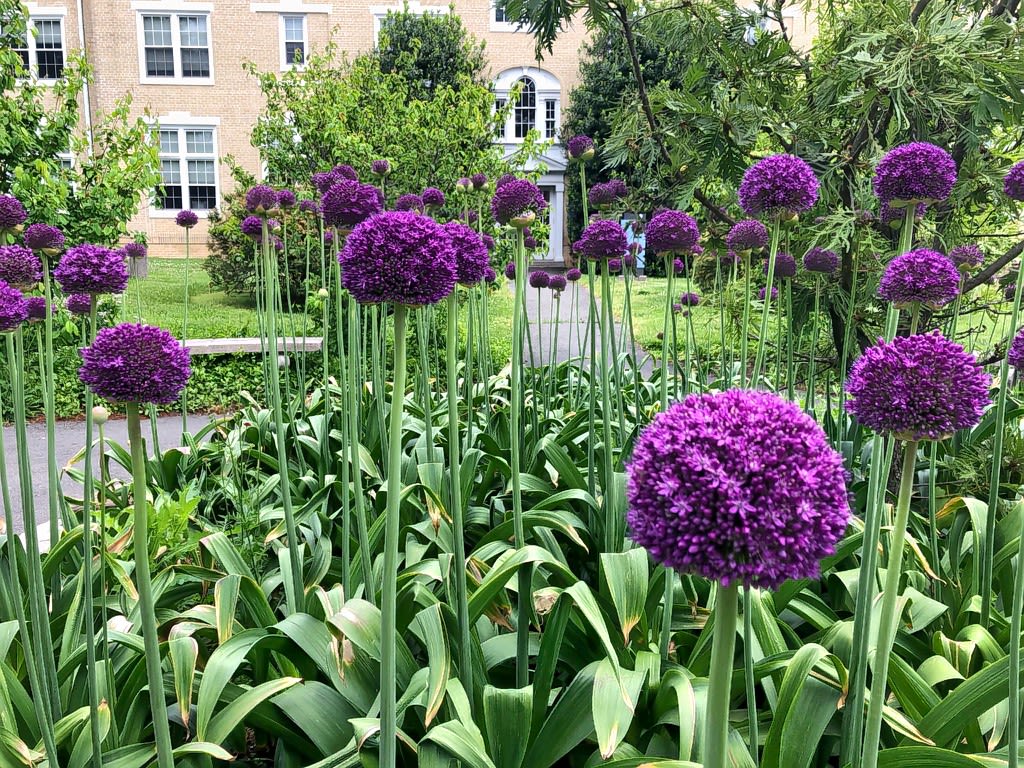
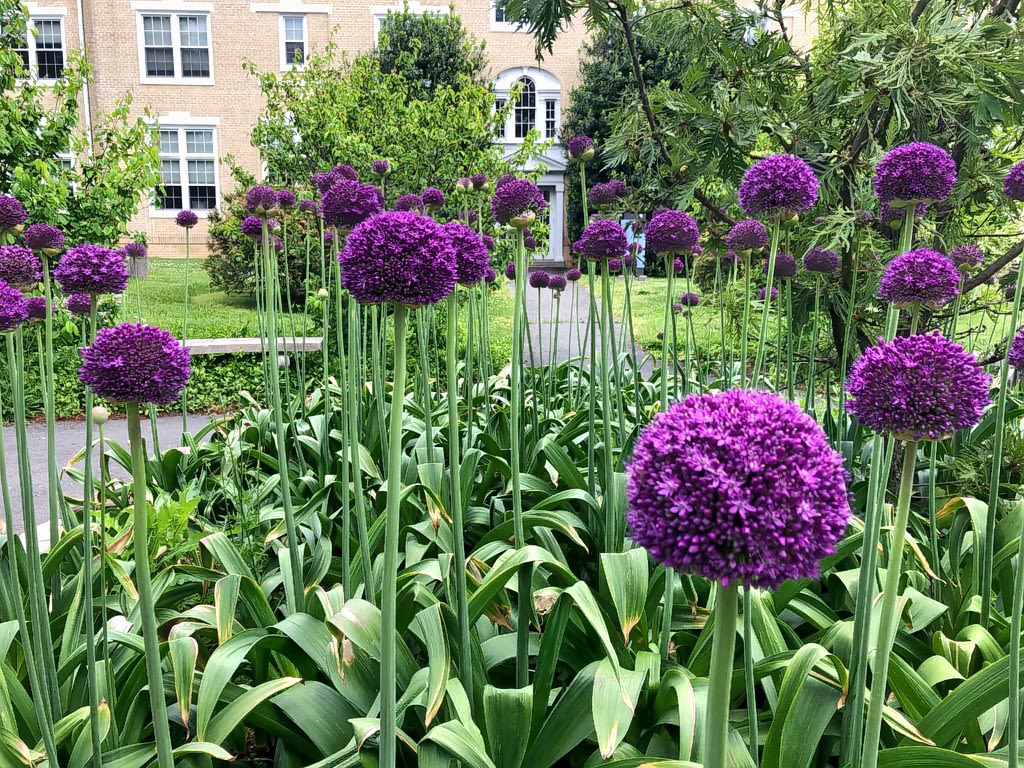
Alliums in bloom
Alliums in bloom
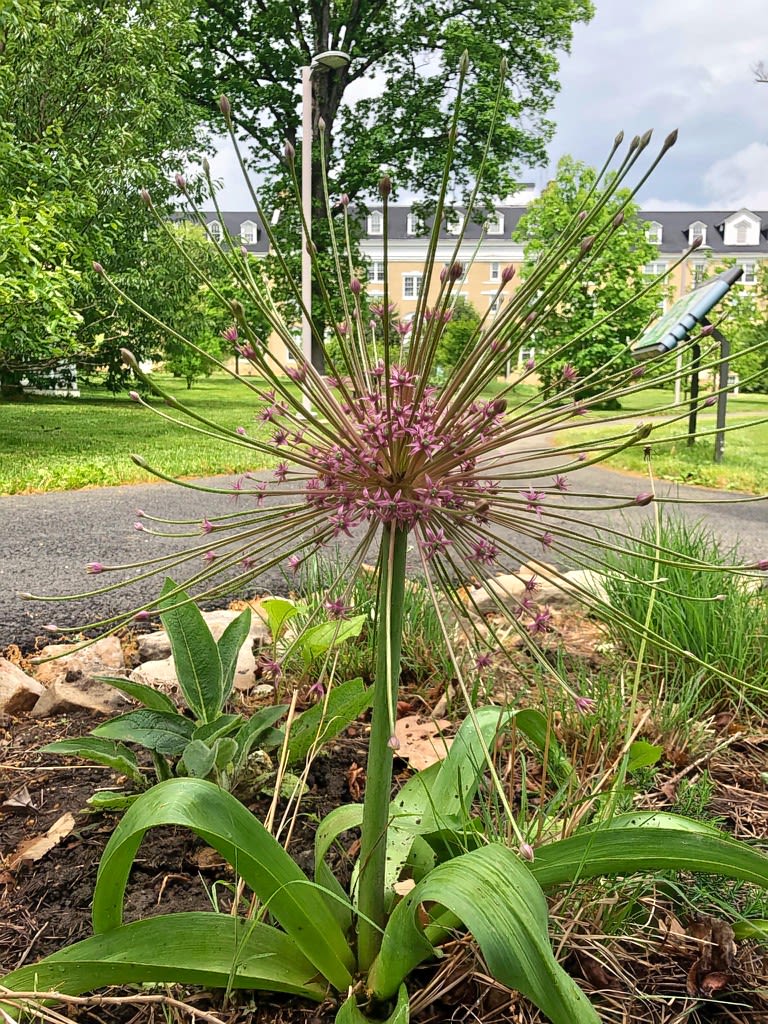
Alliums setting seed
Alliums setting seed
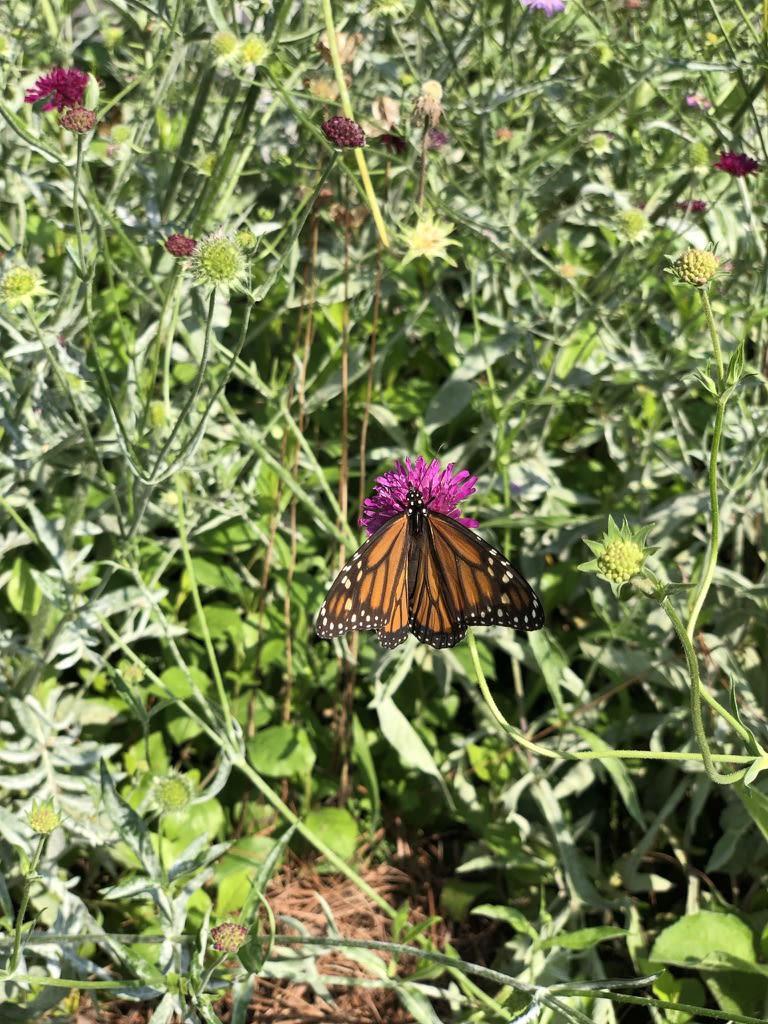
Macedonian scabious in bloom
Macedonian scabious in bloom
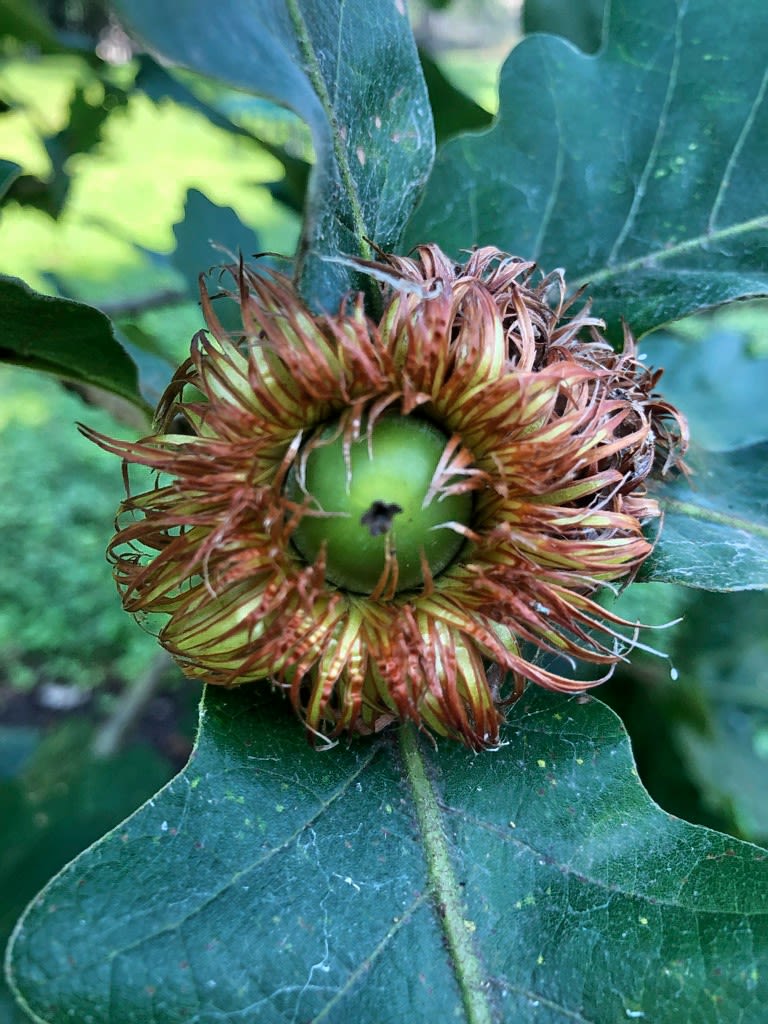
The acorn of a Japanese emperor oak
The acorn of a Japanese emperor oak
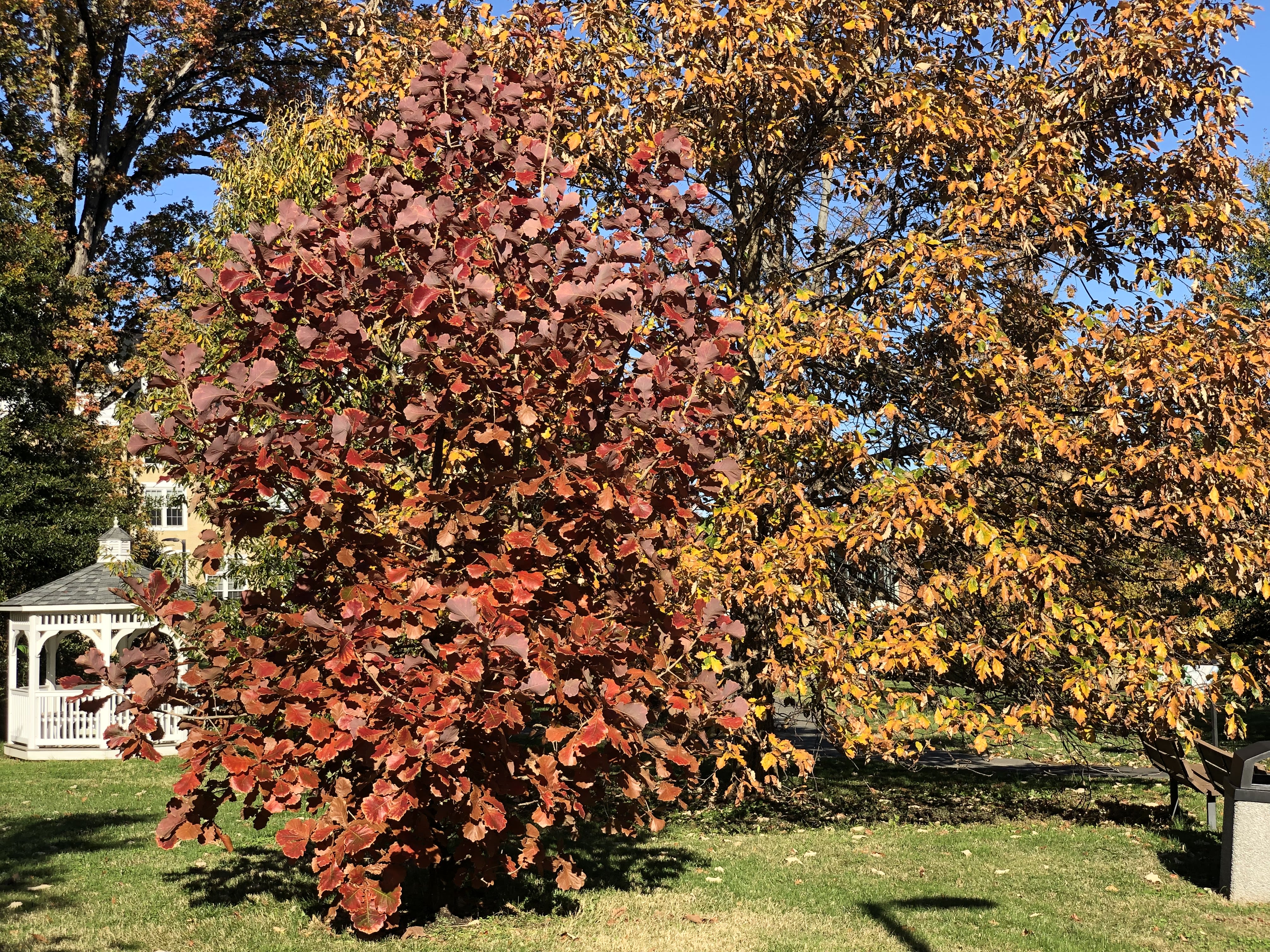
Japanese emperor oak in fall
Japanese emperor oak in fall

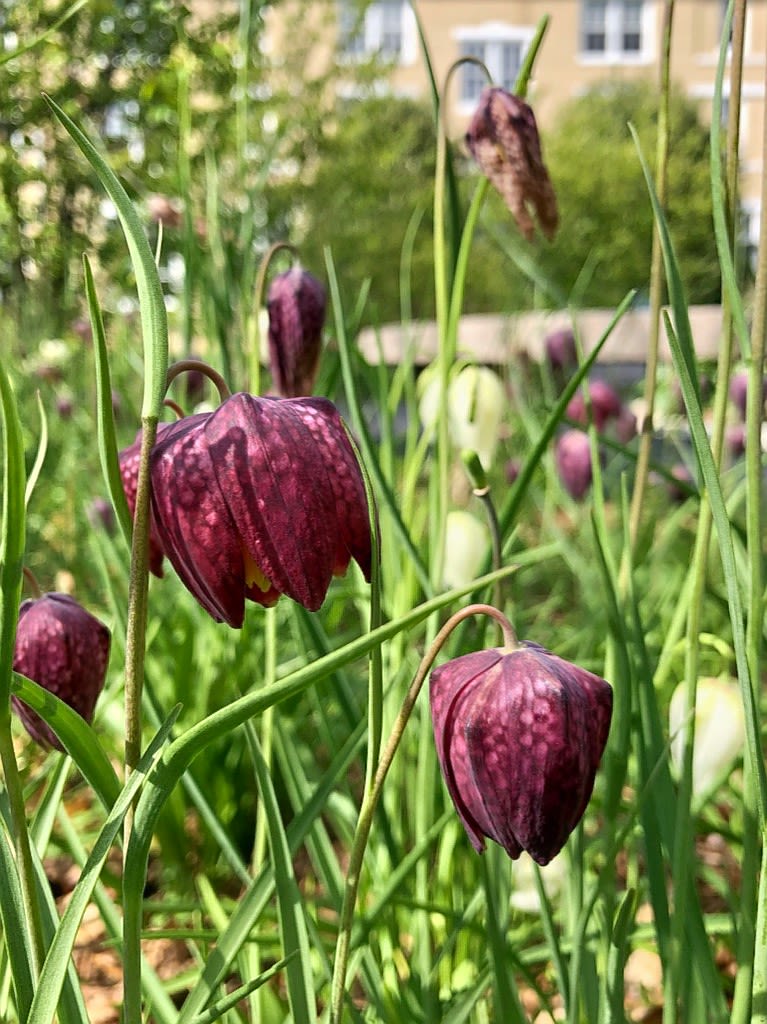
Snake's head, or Fritillaria meleagris, flowering
Snake's head, or Fritillaria meleagris, flowering
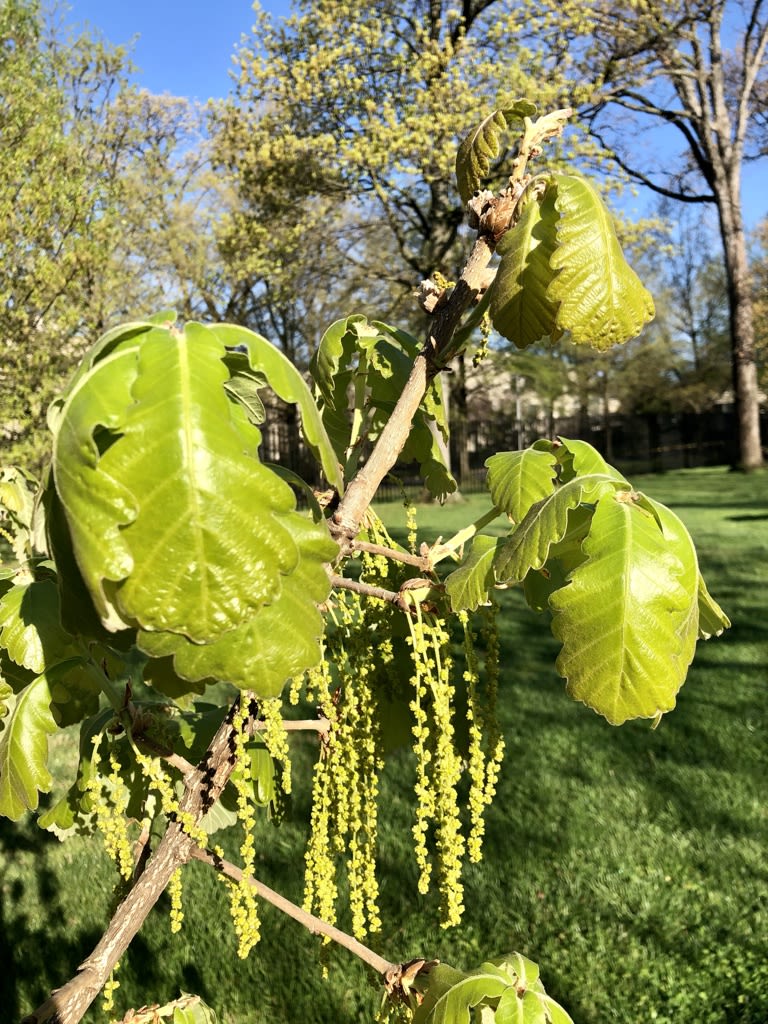
Japanese emperor oak in spring
Japanese emperor oak in spring
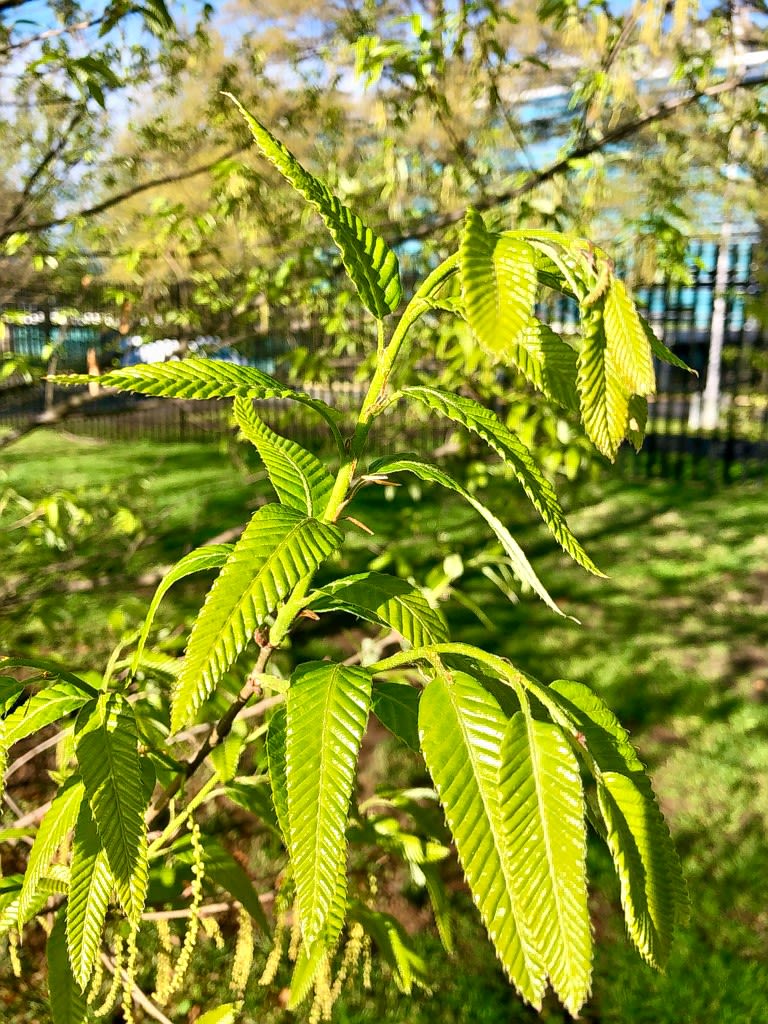
Chinese cork oak in spring
Chinese cork oak in spring
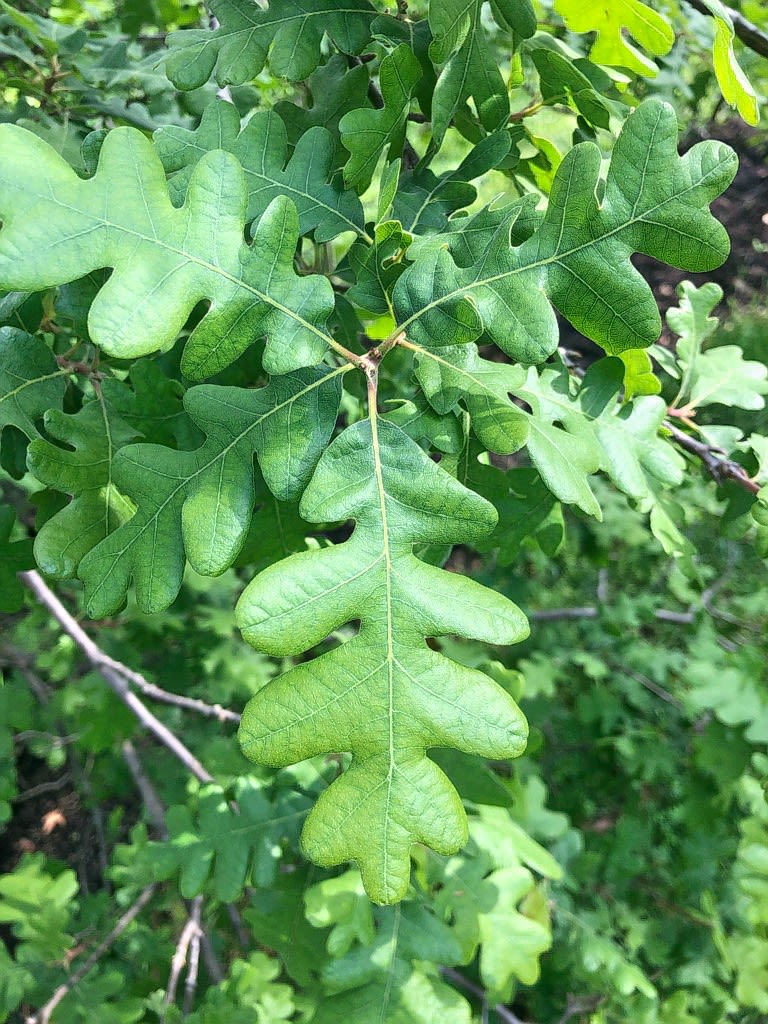
The leaf of a gamble oak
The leaf of a gamble oak
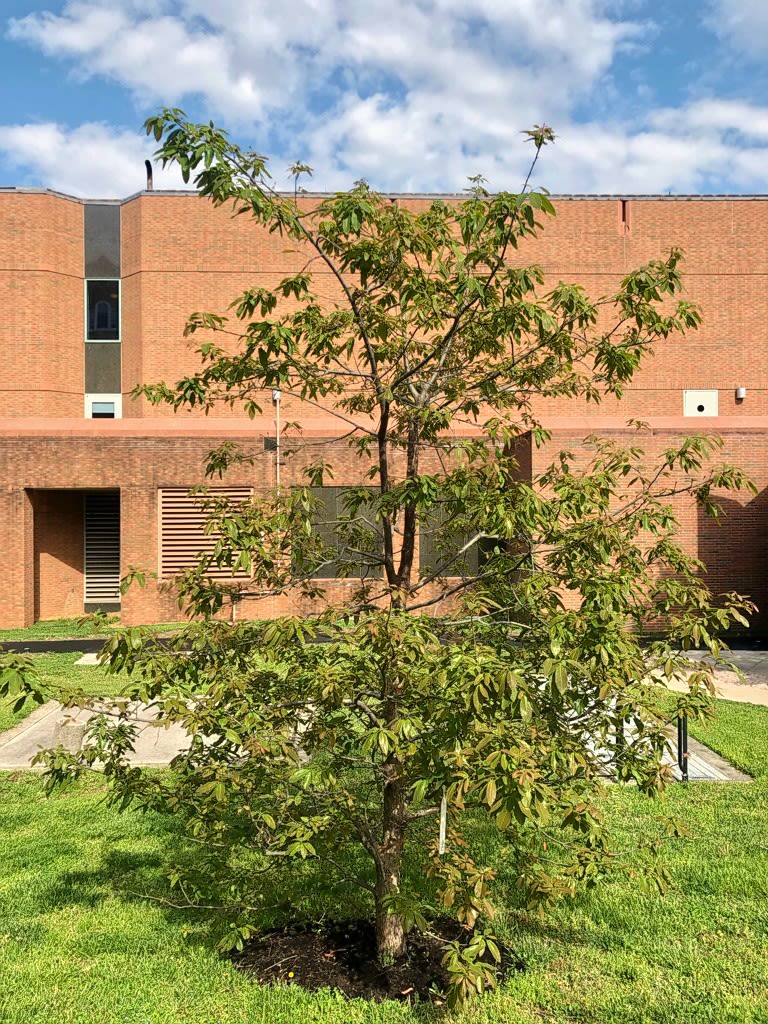
A Mexican white oak
A Mexican white oak
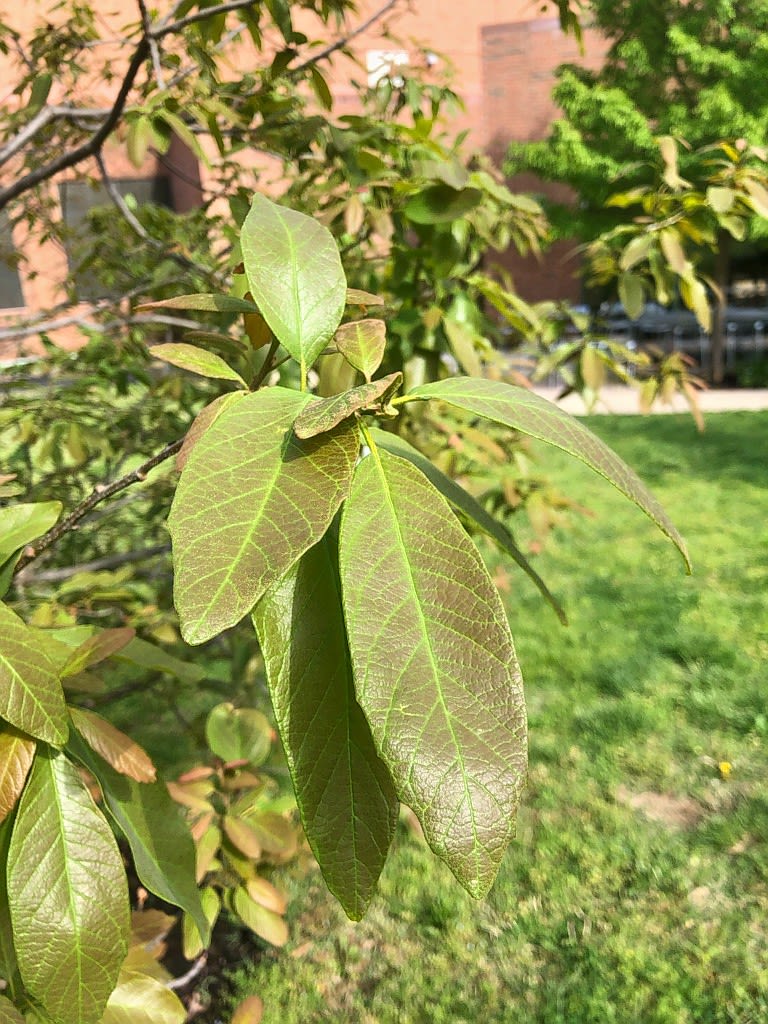
The leaf of a Mexican white oak
The leaf of a Mexican white oak
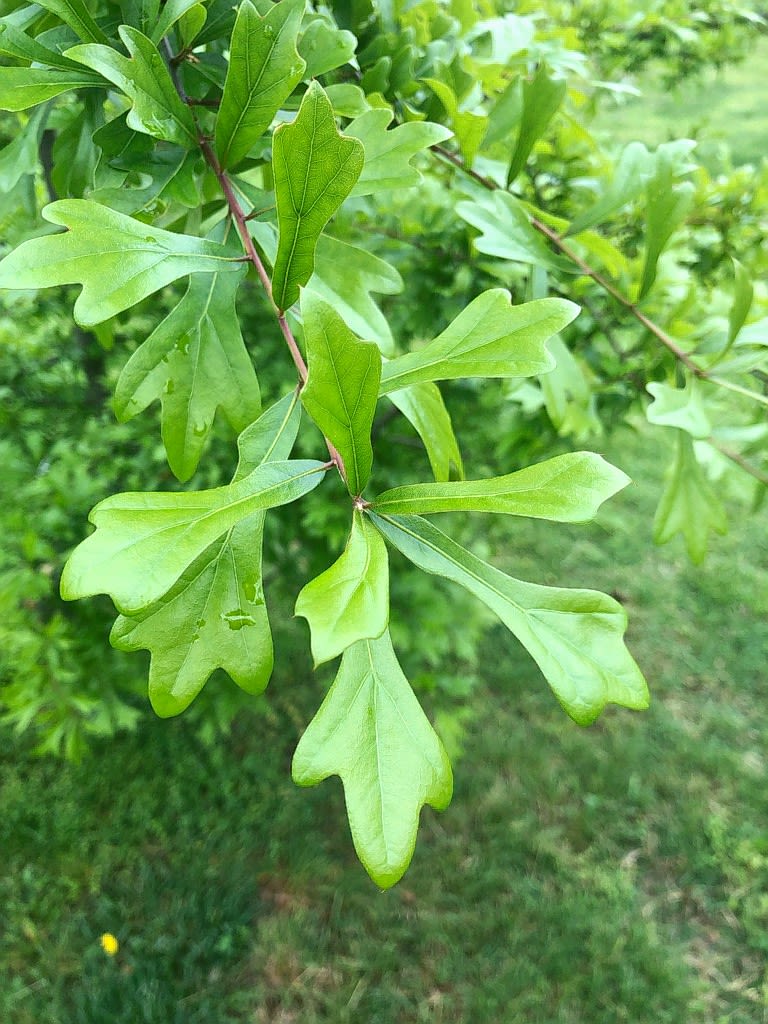
The leaf of a laurel oak
The leaf of a laurel oak
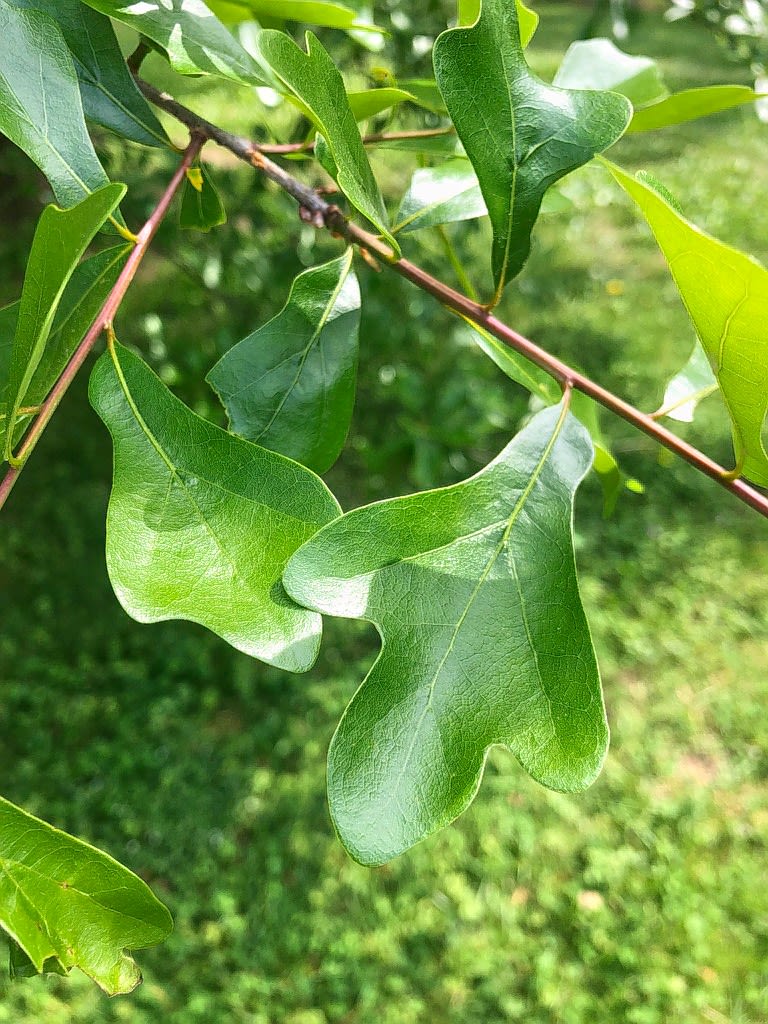
The leaf of a water oak
The leaf of a water oak