
The Sasaki Courtyard
The Grounds at NFATC
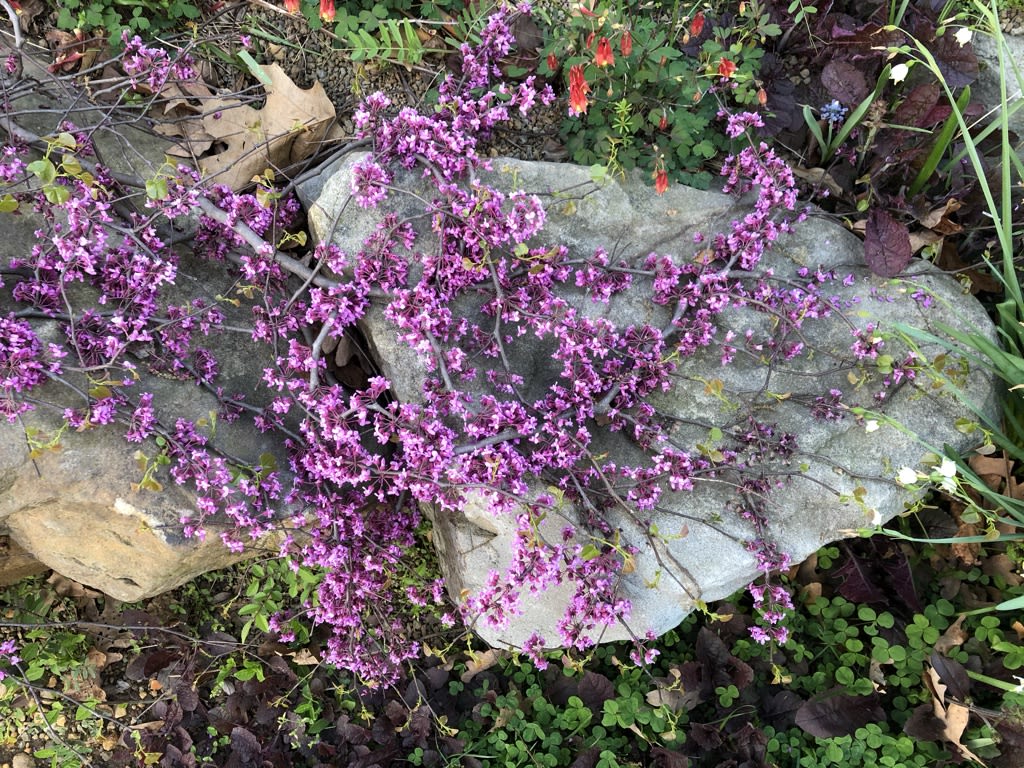

The Sasaki Courtyard stands as one of the last pieces of the original landscape design that accompanied the construction of the F Building. It has yet to be fully developed.
When planning the grounds, horticulturist Darren DeSteffano employs a thoughtful approach. Consider his strategy for creating and cultivating spaces that blend seamlessly with the natural environment, and imagine how those principles might be applied to this undeveloped area.




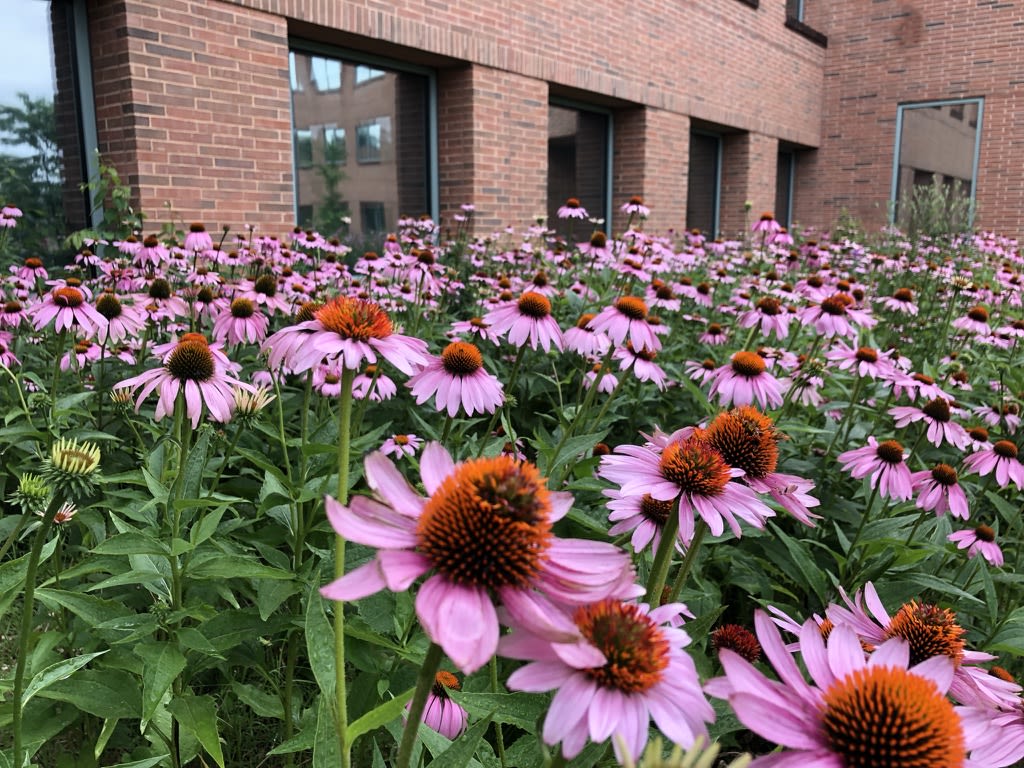


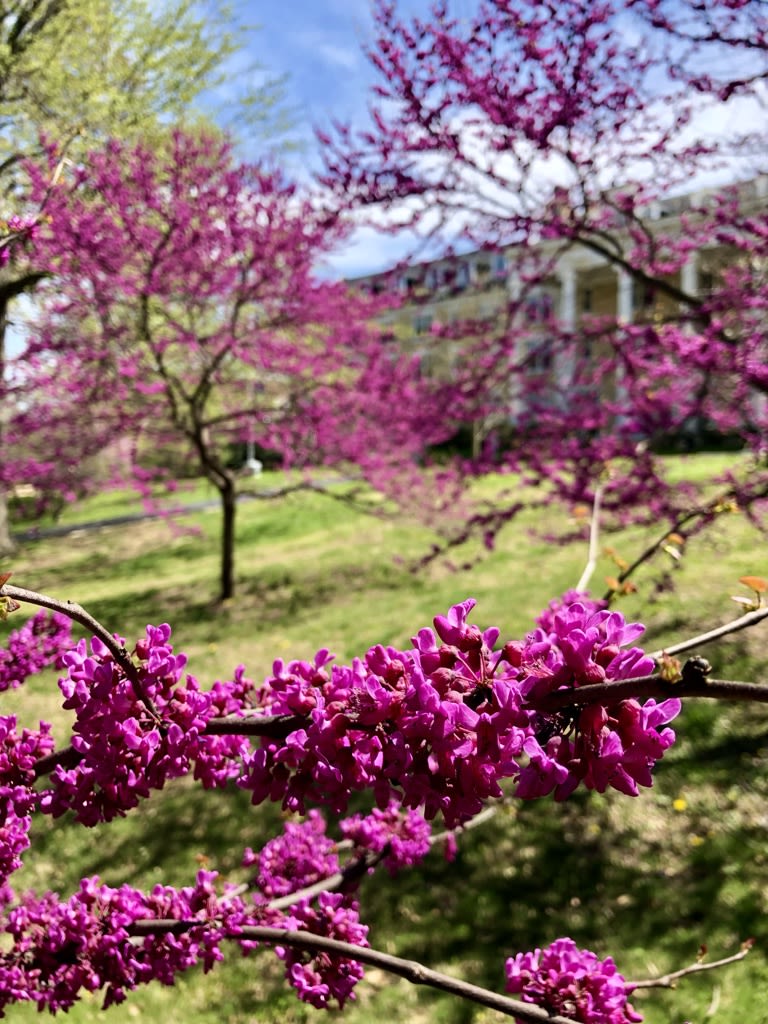

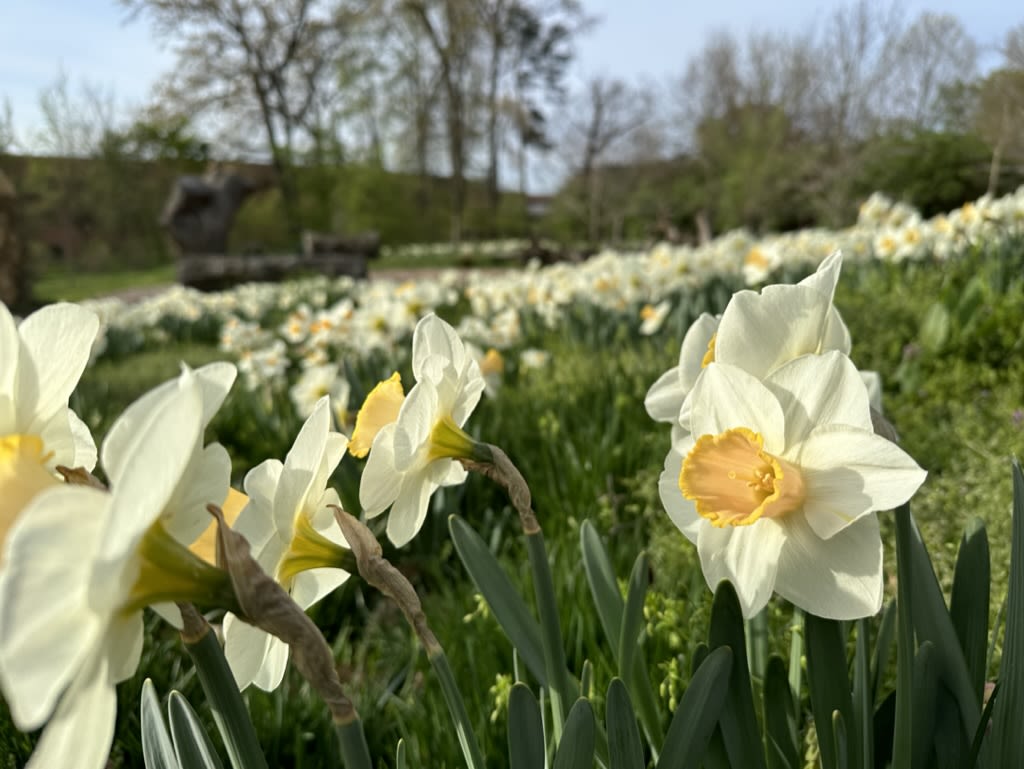
Horticulturist's Tour
Listen to NFATC Horticulturist, Darren DeStefano, talk about his approach to curating the grounds at NFATC.
Select the play button to listen to the audio as you follow along with the transcript below.
Select the play button to listen to the audio as you follow along with the transcript below.
So, let me try to articulate my management philosophy.
The mantra is the right plant in the right place.
And if you can solve that riddle, you can create systems that perpetuate without undue intervention and achieve a durable naturalization. We're seeking to achieve balance with water, pests, nutrition, and labor.
We want to find a dynamic equilibrium like waves in the ocean, change in response, not an imposed stasis.
The grounds are an ecosystem, an ecology. They're full of life with plants as the primary layer; with creatures, insects, and birds; and if done right, people fascinated by the world around them. So, here are some tenants that I abide by when managing and creating spaces.
No herbicides. We work to grow plants, not kill them. Herbicides are simply counterproductive to that goal. I'm especially down on pre-emergent chemicals. Any chemical that disrupts seed germination robs the garden of one of its most important resources and denies it the ability to reproduce and proliferate.
No pesticides. We want to encourage life, not eliminate it. If a plant is the victim of a consistent pest, then it's not the right plant for the place. Better to change the planting than repetitively spray it.
There's a significant exception here, and that's mature tree canopy. Trees are a long-term investment, and their preservation is worth that chemical toll. But you need professionals to diagnose and to apply. It's not something to be taken lightly.
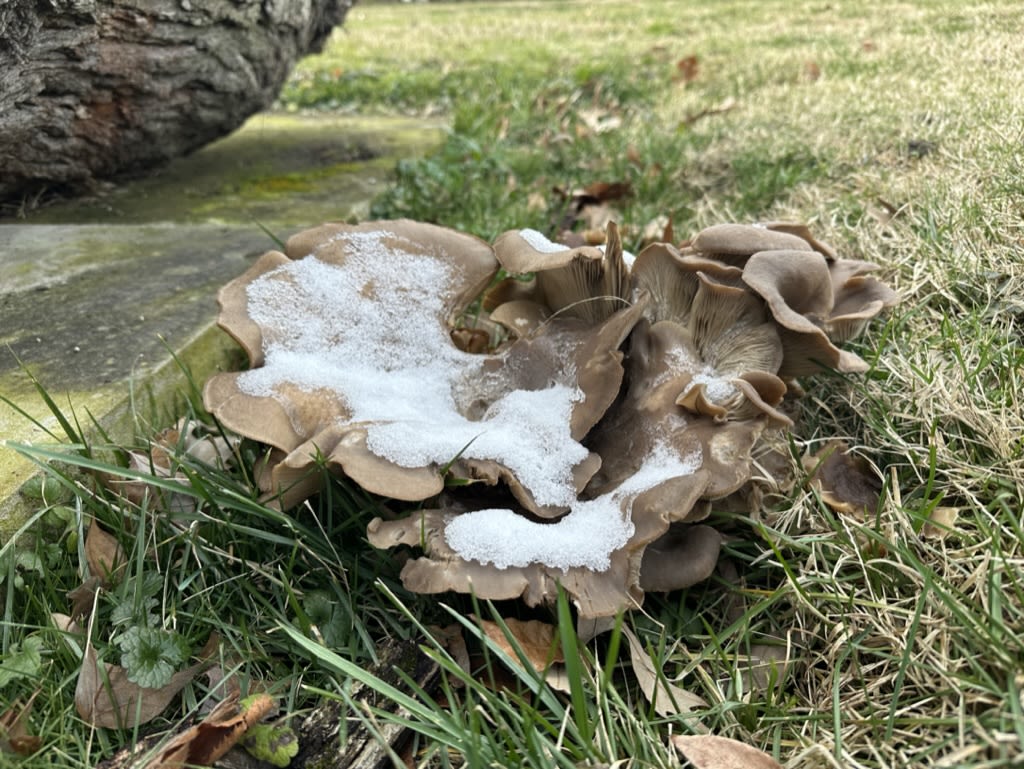
No fungicides. Mushrooms are prized in the garden, not hated. The fungal network is critical to healthy soil biology. If you have a persistent fungal issue, then it's not the right plant for the place.
No chemical fertilizers. We seek to support soil biology, not bypass it. Fertilization should be organic and carbon-based, composts and manures. And no automatic irrigation. We want to achieve balance with environmental conditions, and nothing throws off that natural balance like the addition of water.
Water is life, and when we use it, we need to consider why. We irrigate to establish plants, not to sustain them. If a plant can't manage on its own after two, maybe three years, it's the wrong plant. But we can also irrigate to create canopy or an oasis. When working in dry climates, we need to consider the usage of water carefully. If you stop and think about it, watering and fertilizing a lawn to force it to grow so you can repeatedly cut it back just makes no sense from a resource perspective. This is the antithesis of balance.
I realize I've said a lot of things not to do, with nothing to do, but as you explore this series, you'll find answers—how I've approached specific challenges and often made something with nothing. It's possible to use plants to create artistic, compelling spaces with limited resources. When the grounds of a property are healthy, they exude an energy that benefits everyone. You can feel it, and it's obvious to the eye. It's how we achieve that that is the question.