The Wild Garden
The Grounds at NFATC
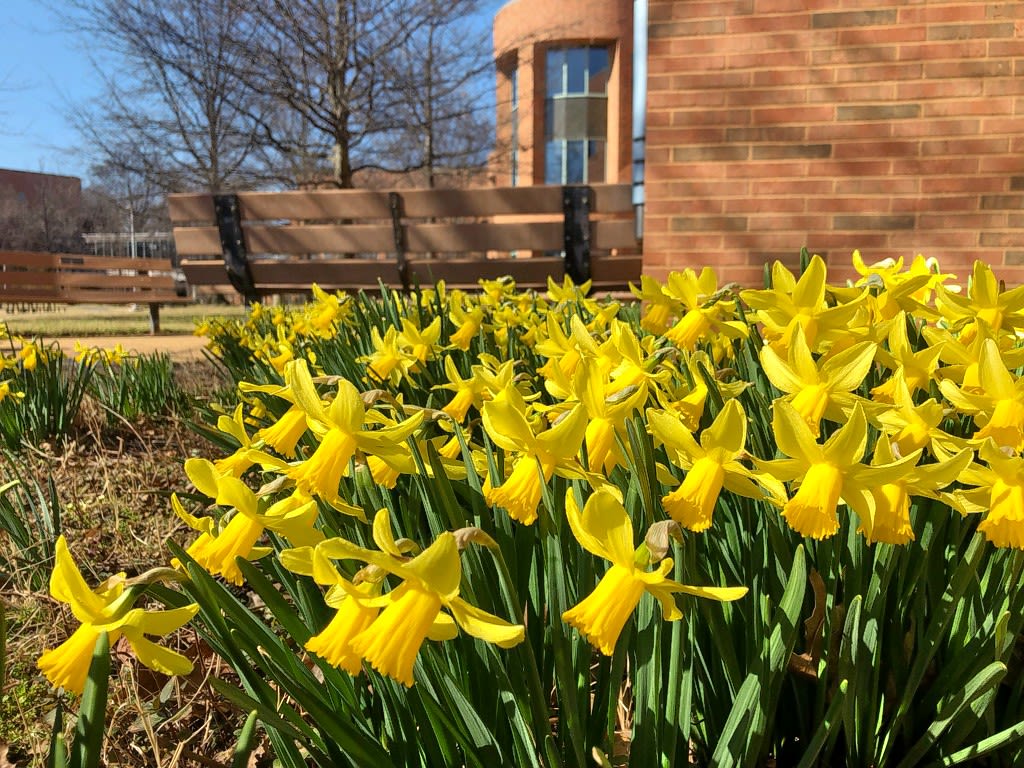

Planted in 2012, this garden of hardy perennials embodies the new direction landscaping at NFATC has taken over the last decade—eschewing formality and convention and embracing a more sustainable, pollinator-friendly, and wilder style that’s low on maintenance, water, and chemical usage.
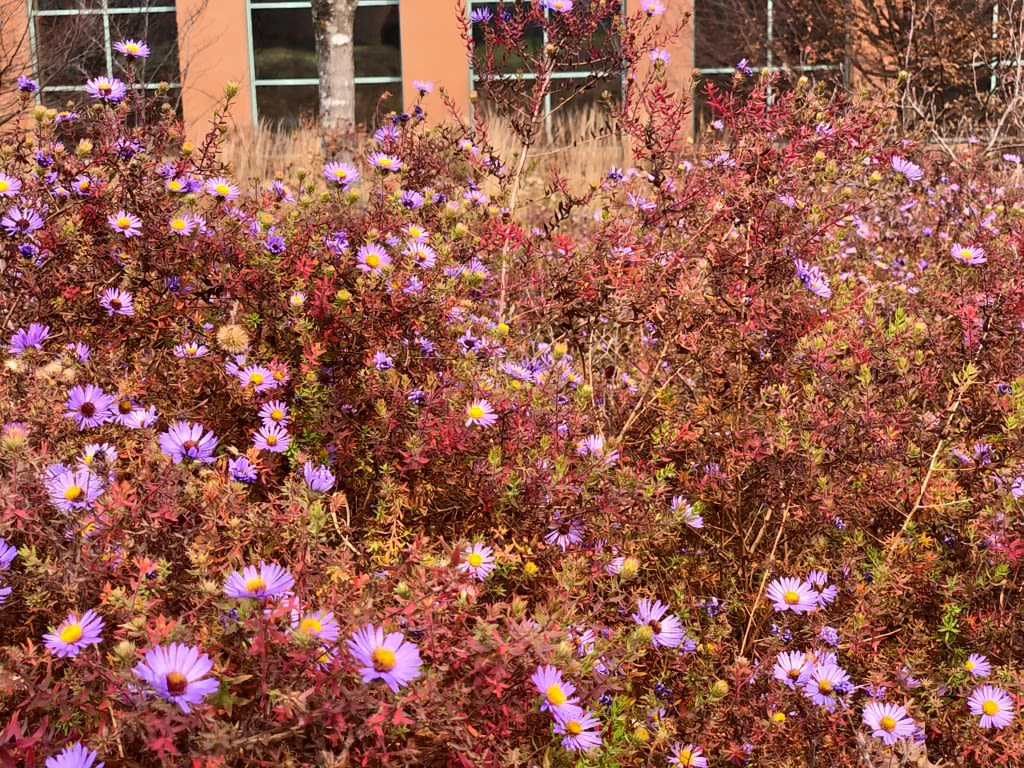
Blooms begin in early spring with daffodils and continue into the fall with a large population of asters that mix with the dramatic foliage of sumac shrubs and ginkgo trees, creating a colorful display lasting into the depths of winter.






Horticulturist's Tour
Listen to NFATC Horticulturist Darren DeStefano talk about the lessons he learned from his mentor, Wolfgang Oehme, and how he applied them to create the Wild Garden.
Select the play button to listen to the audio as you follow along with the transcript below.
This is the Wild Garden.
It was essentially the first perennial planting that I did on campus. And it really came out of my relationship with Wolfgang Oehme (opens in a new tab), who was my mentor and teacher. He taught me how to use large sweeps of hardy perennials and in massive quantities.
(Scroll to follow along with the audio.)
The key plant in here is Aster oblongifolius. So, it's a fall blooming aster. It flowers blue. But what's really important is that it's a ground cover. It's aggressive.
A lot of the plants in the Wild Garden are stiff competitors, and this blue flowering aster also sets seed freely. So, over the years, this plant has grown in number and has actually blown around campus and established small colonies in other places.
And that's a real, that's a classic trait of Wolfgang Oehme—to create a landscape that doesn't rely on pre-emergent chemicals that kill back everything that comes from seed, but rather grow the landscape by allowing seed germination to take place and modify the landscape on an annual basis.
He also taught me how to use bulbs in vast numbers and how to make a spring display pop.
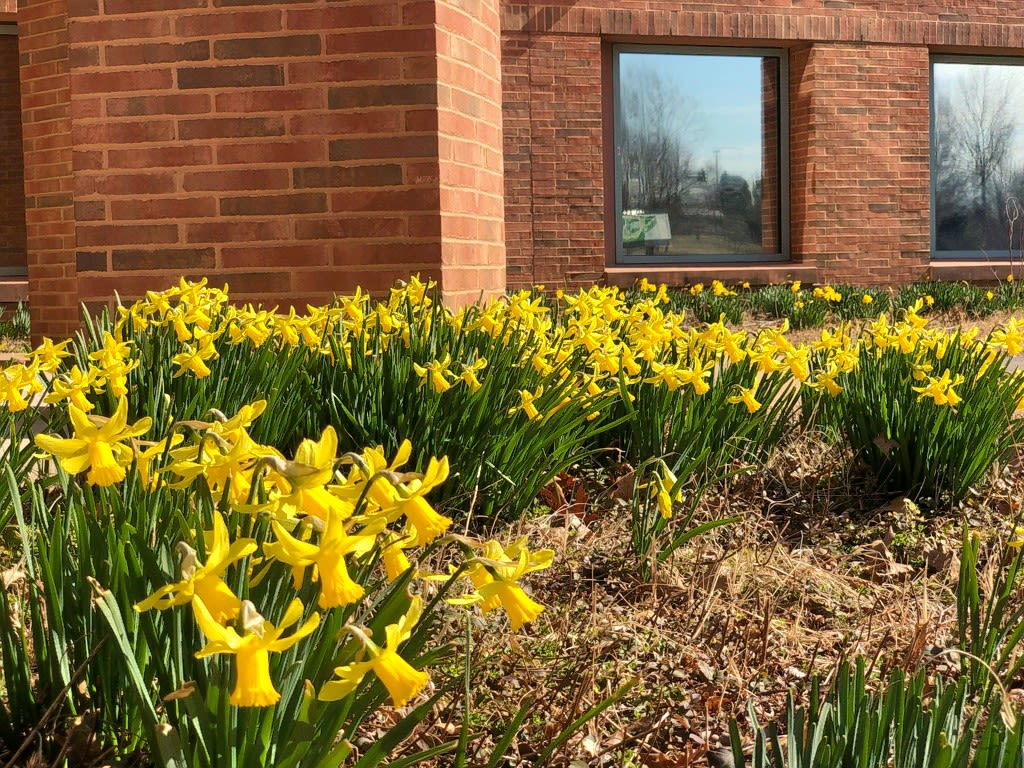
When you show up to campus—like right now, it's very early March, March 5th—and the Narcissus are all flowering along the face of the F Building, and it's been doing that for over a decade, and it's hard to ask for more.
Featured Plants

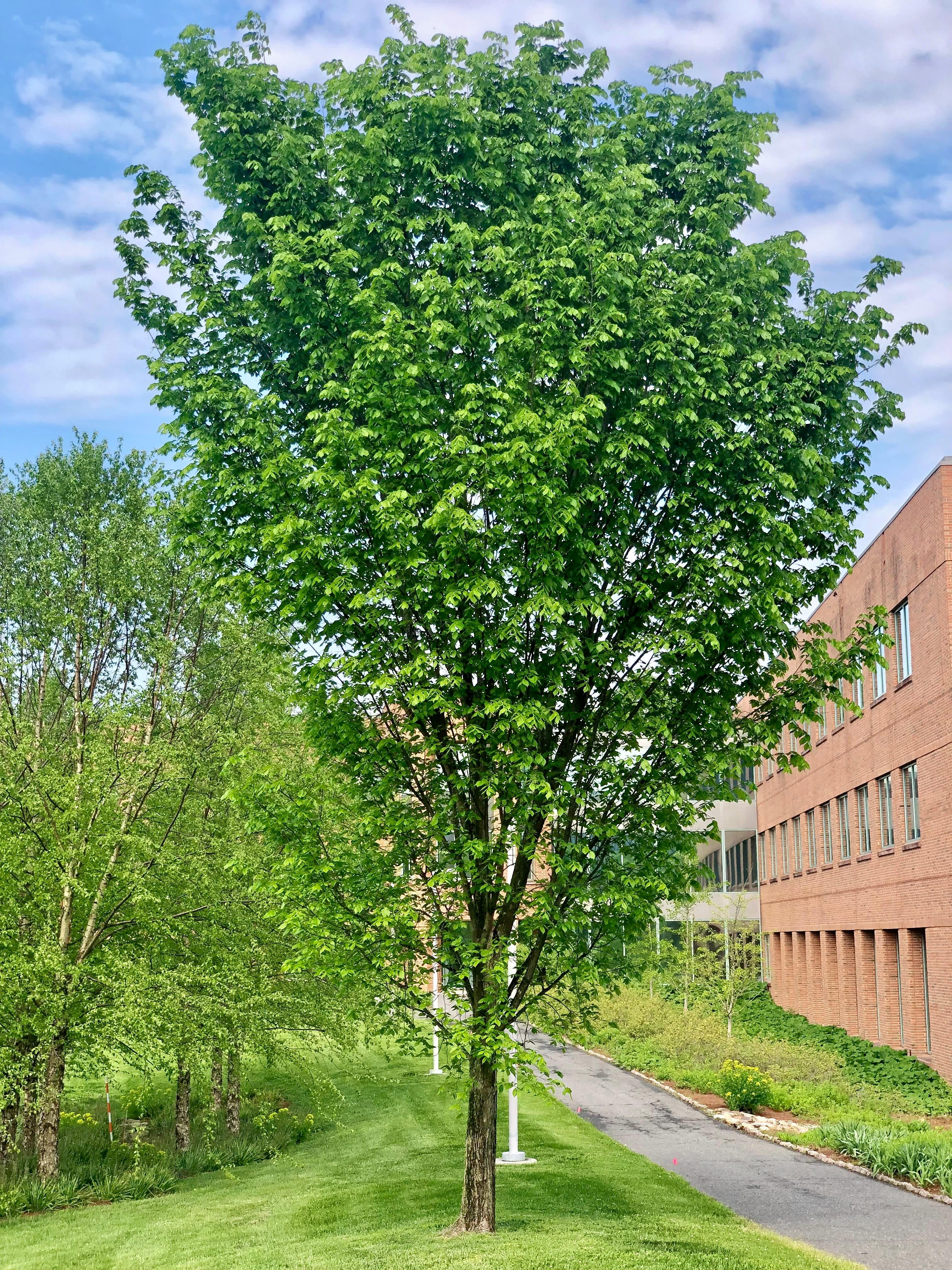
American Elm Tree
American Elm Tree

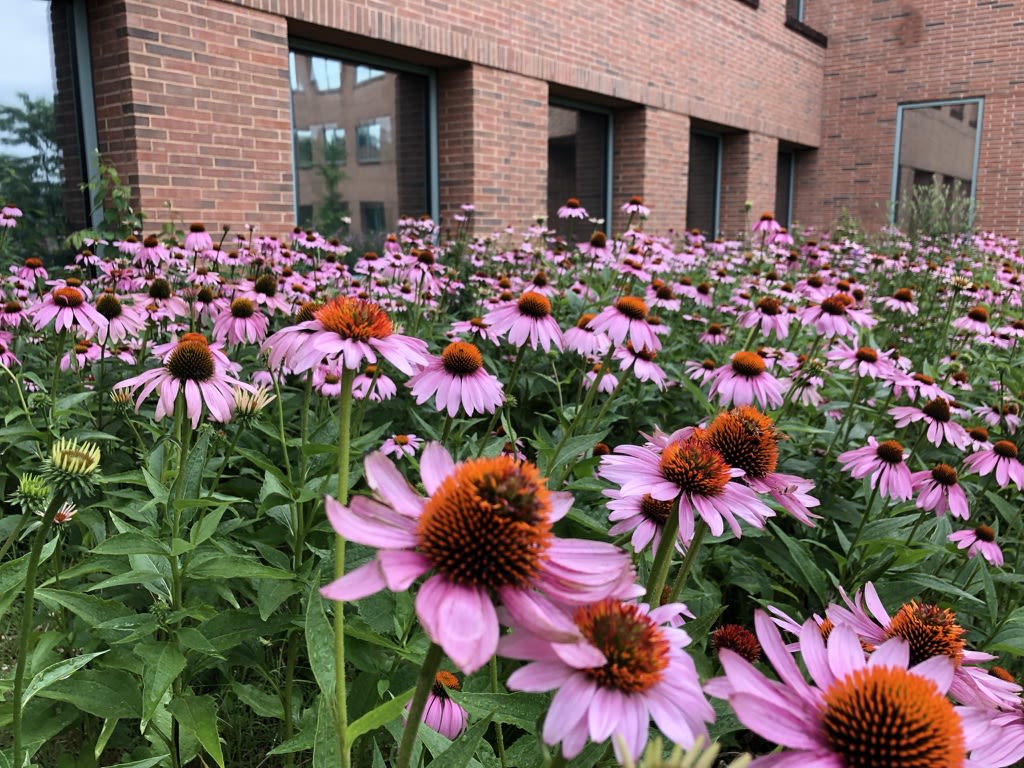
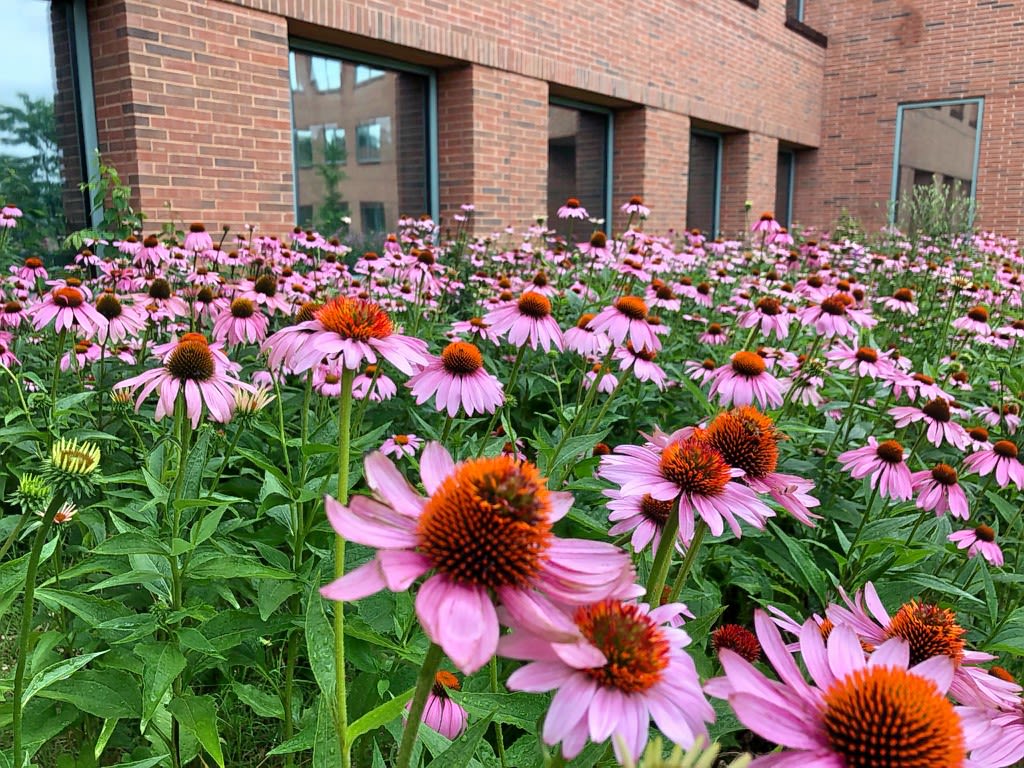
Purple coneflowers
Purple coneflowers
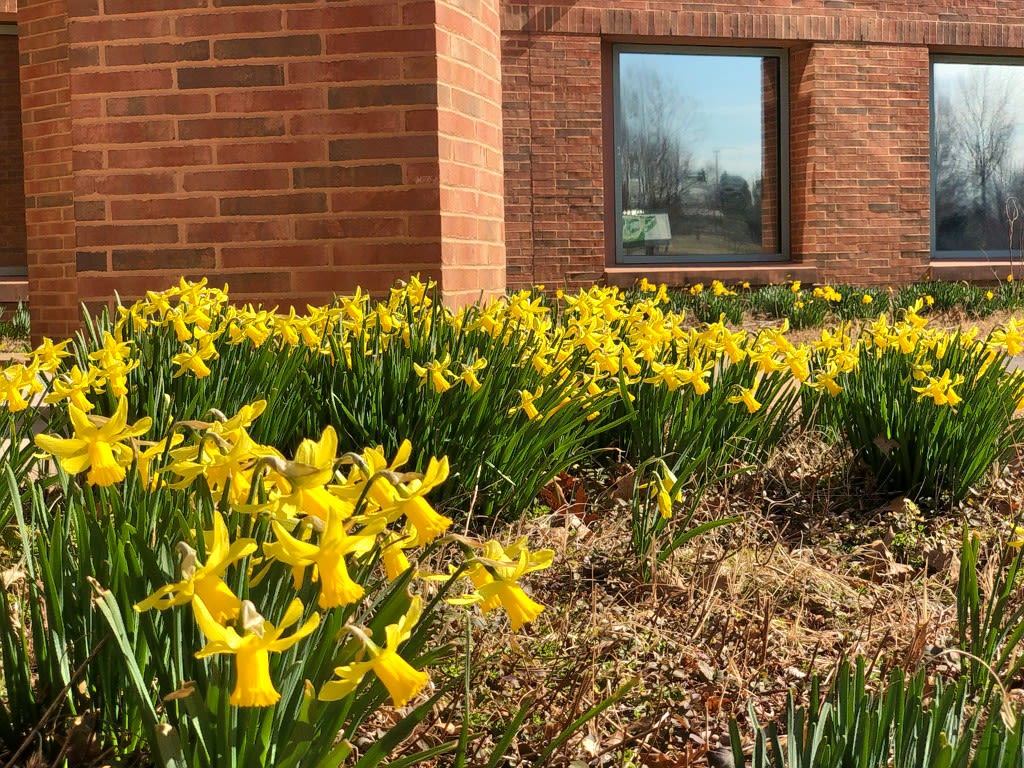
Daffodils blooming by the F Building in early spring
Daffodils blooming by the F Building in early spring
American Elm
(Ulmust americana)
Ranging from Canada to Florida and New York to Montana, the American elm is primarily known as an urban denizen for its incredible ability to thrive in compacted urban soils, often growing from cracks in alleys.
Used to the point of ubiquity, the elm became especially vulnerable and fell prey to Dutch Elm Disease. Although the fungus was carried on the backs of Asian bark boring beetles, it derived its name because it was first described by plant pathologists in the Netherlands. The disease is dramatic and can fell massive trees in a single season, which resulted in the removal of tens of thousands of elms from city streets as they became safety hazards.
Today, Washington, DC, is the only major U.S. city with a strong population of elms due in large part to the U.S. Park Service’s efforts to chemically treat and protect the thousands of trees that line the National Mall and federal core.
Purple Coneflower
(Echinacea purpurea)
Native to meadows across North America, purple coneflowers are short-lived perennials in the sunflower (Asteracaea) family. In late spring, raspy foliage emerges from the seed to produce a complex flower head popular with pollinating bees and butterflies. In early autumn, you can often find goldfinch feeding on the seeds in the spiky heads left over after flowering.
Purple coneflowers require establishment by seed and should be allowed to self-sow in order to establish large enduring colonies in open areas with plenty of sun and heat. A strong colony can be found in front of the F Building facing the campus green.
Daffodil
(Narcissus)
Daffodils hail from the moist meadows and woodlands of southwest Europe, where they have been a cornerstone of garden culture for centuries. They are the workhorse of the spring garden, reliably returning year after year. Leaves emerge in early spring, rapidly followed by flowers, which persist for weeks and come in every imaginable shade of yellow and white.
The namesake of the daffodil, Narcissus, is the doomed, self-obsessed youth immortalized by Ovid, who can’t bear to leave his reflection in water and eventually transforms into the flower.
In the world of plant breeding, this is a dream, there are thousands of varieties in cultivation, which can be combined to create displays from March to June. Populations around the F Building and Russell’s Knoll are composed of over a dozen varieties, including ‘February Gold.’
Through the Seasons
Select each of the images below to zoom in and learn more.
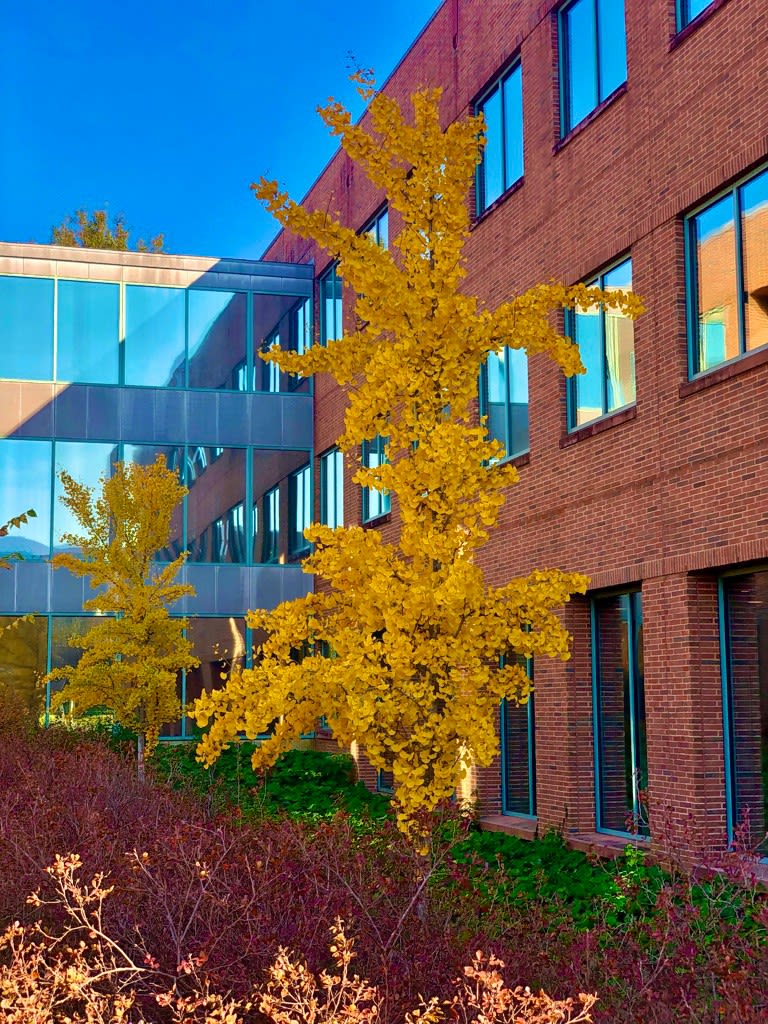
The fall color of a Ginkgo tree
The fall color of a Ginkgo tree
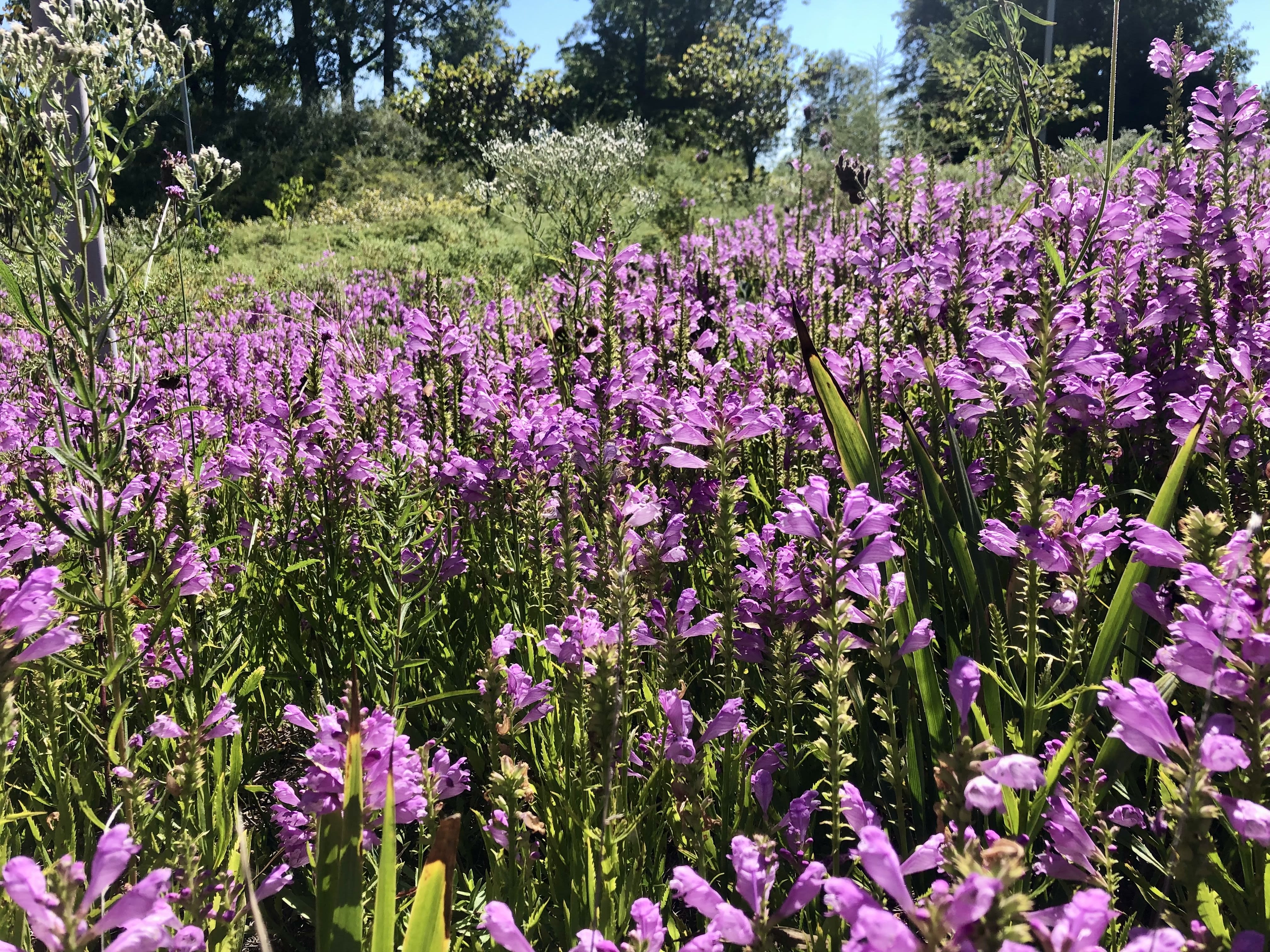
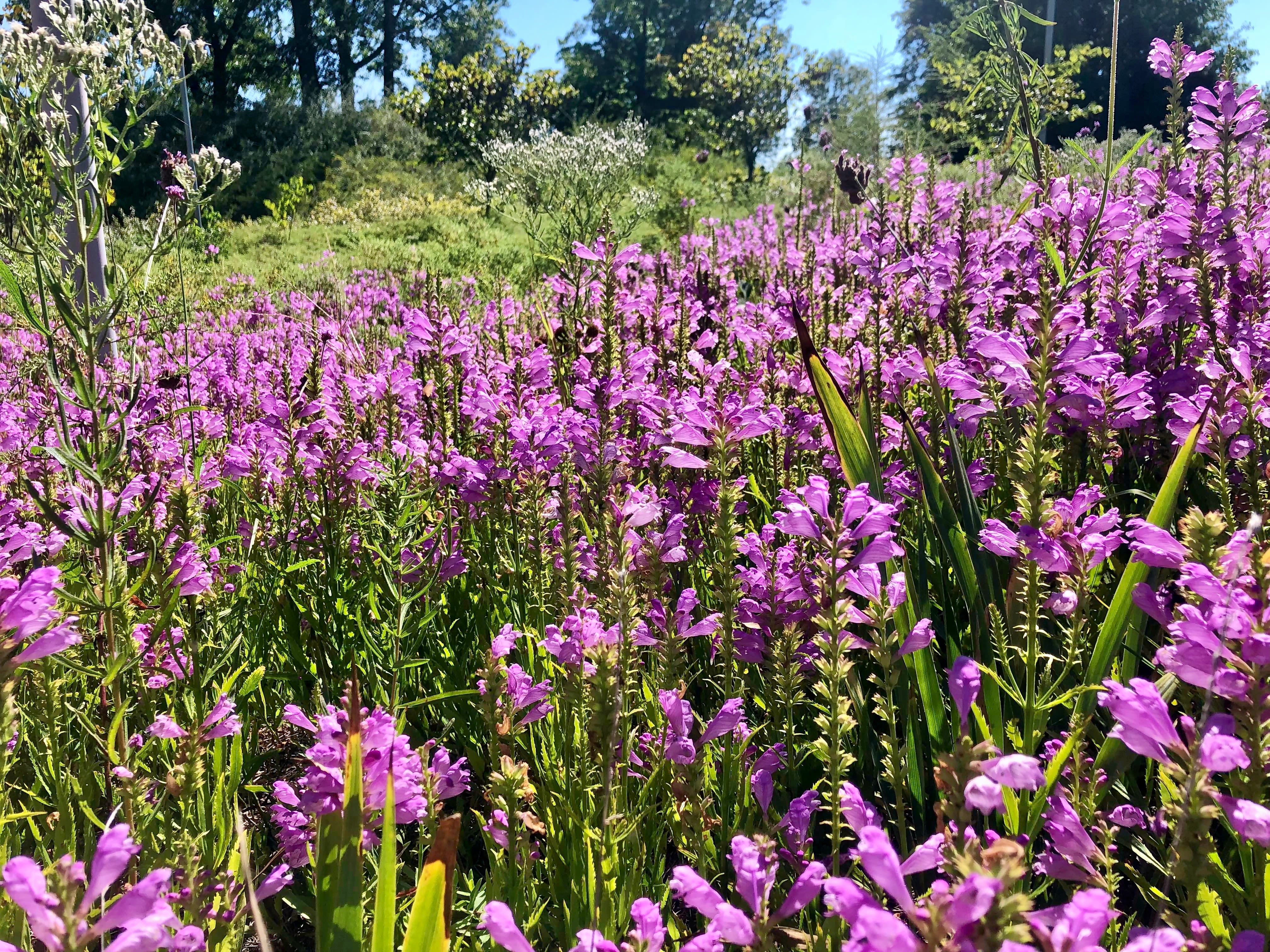
Obedient plant in bloom, from mid-summer into fall
Obedient plant in bloom, from mid-summer into fall
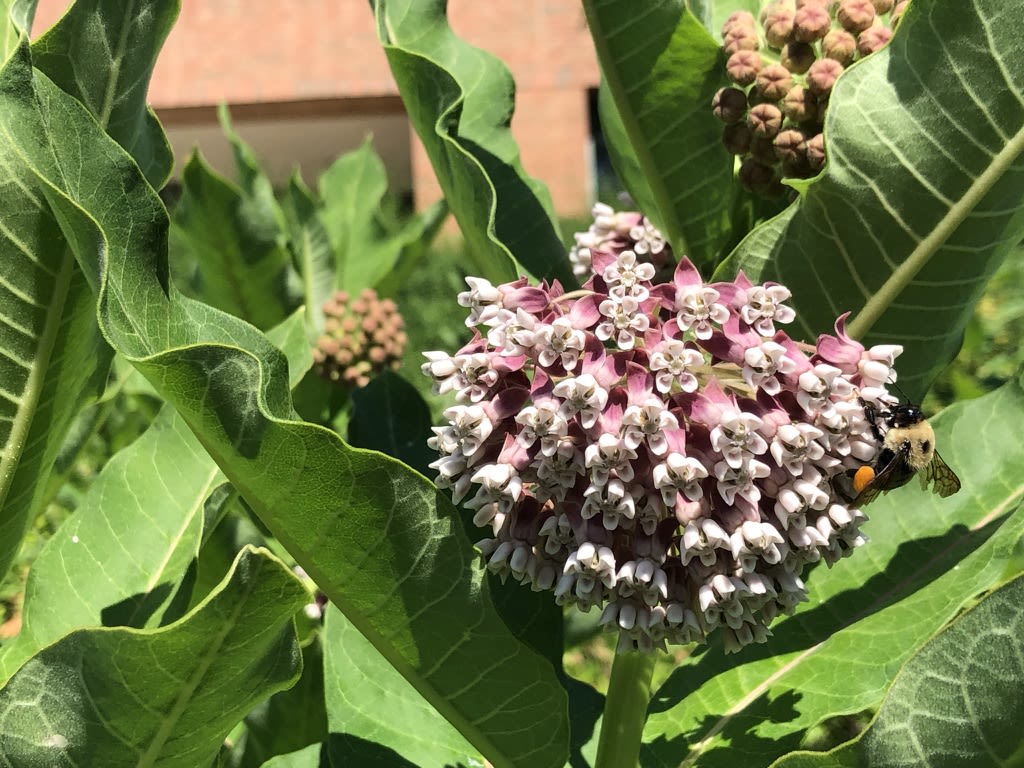
Milkweed in bloom, an important resource for monarch butterflies
Milkweed in bloom, an important resource for monarch butterflies
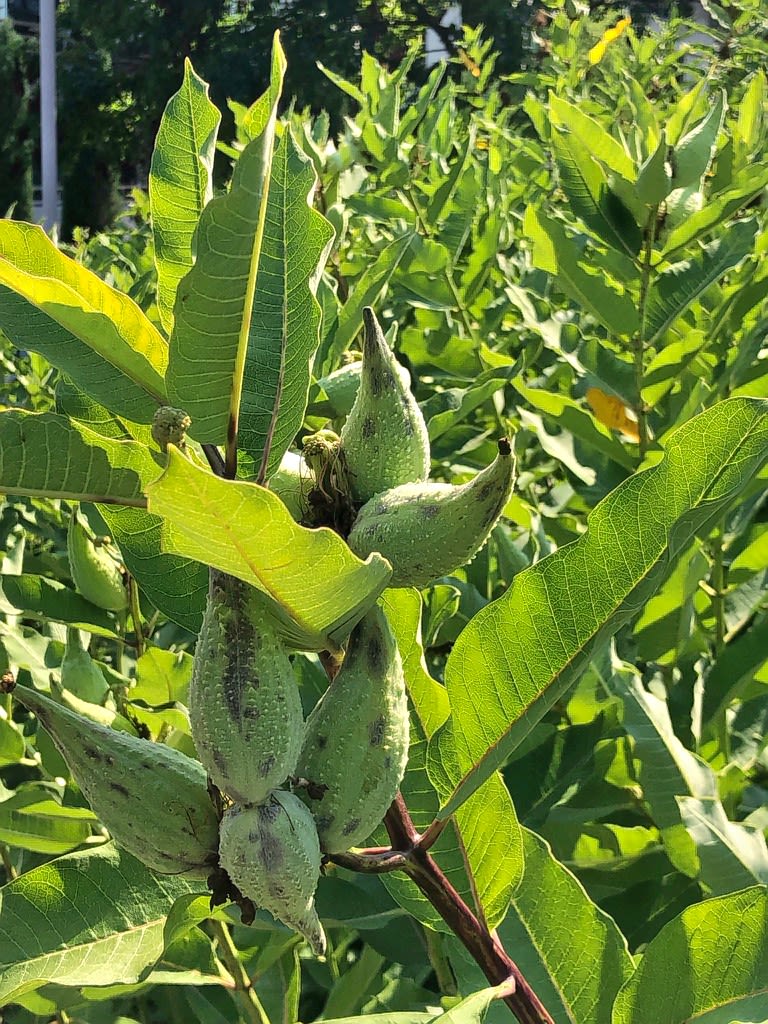
The large seedpods milkweed produces after flowering
The large seedpods milkweed produces after flowering

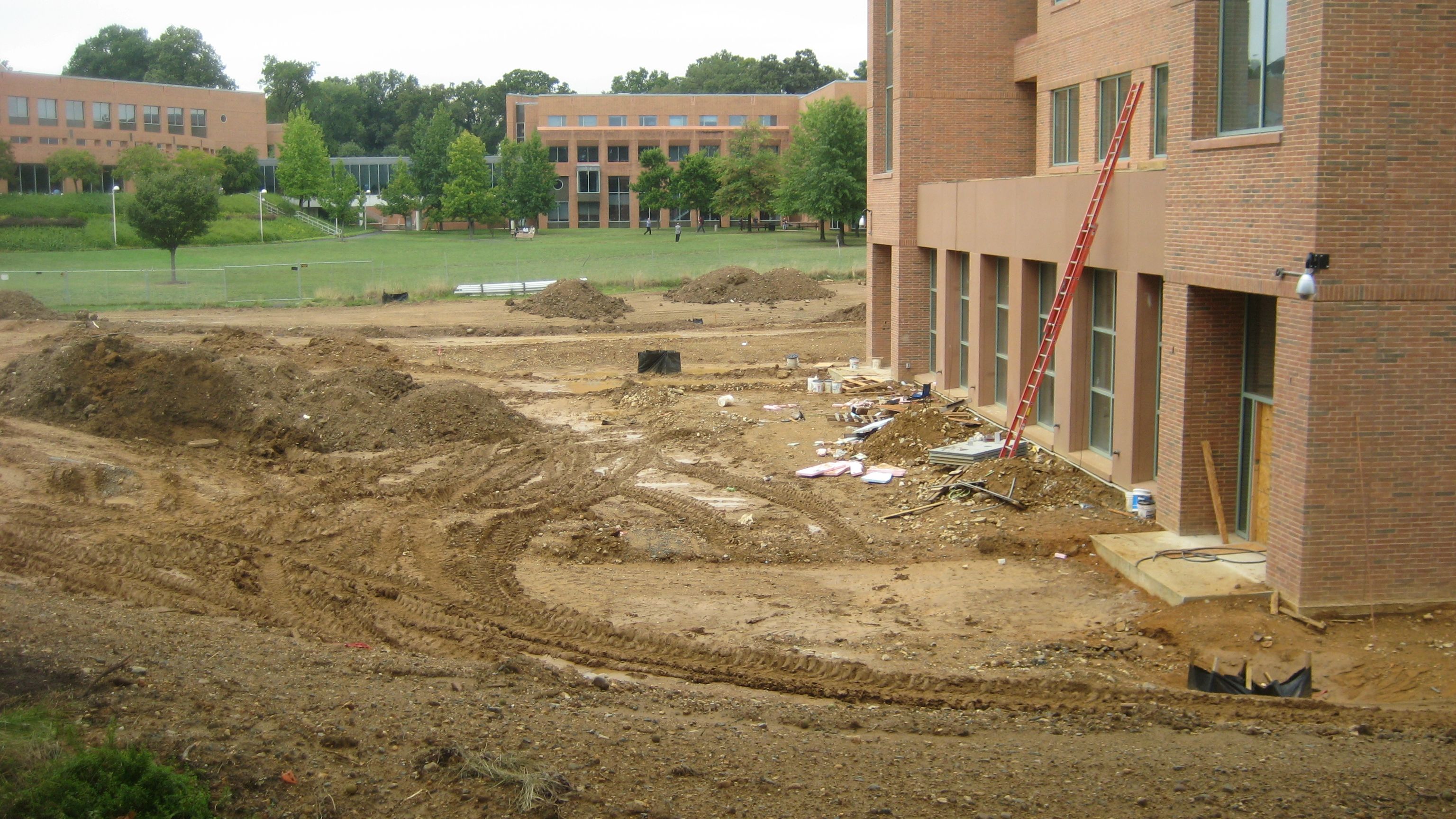
The construction of the K building
The construction of the K building
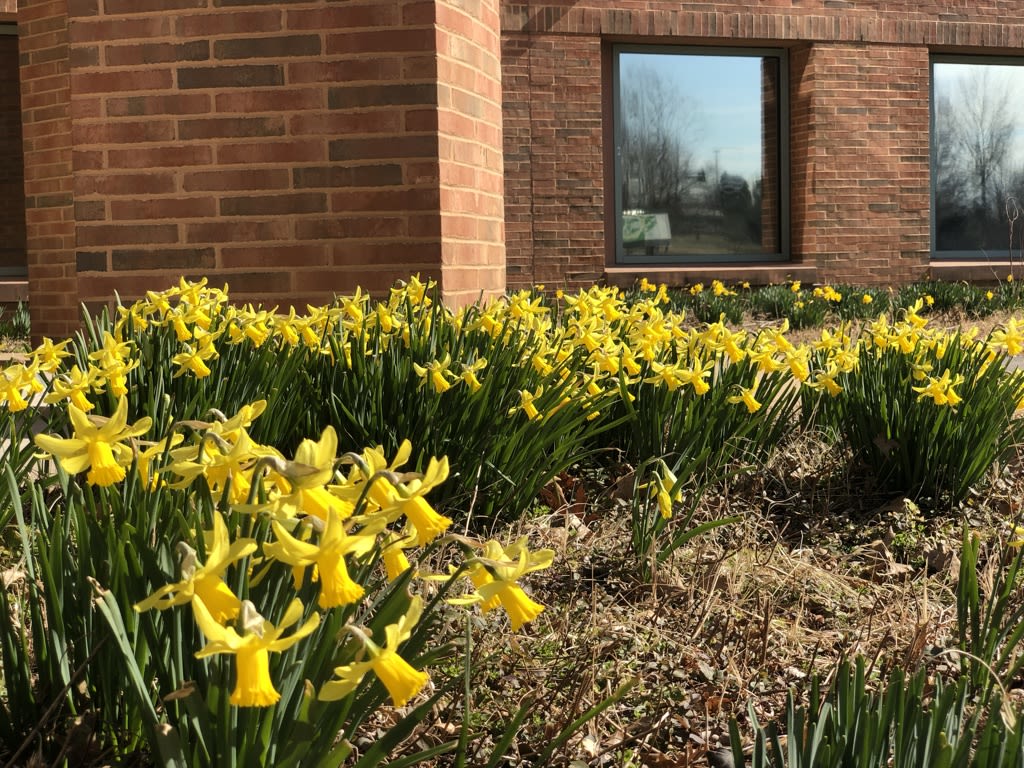
Daffodils blooming by the F building in early spring
Daffodils blooming by the F building in early spring
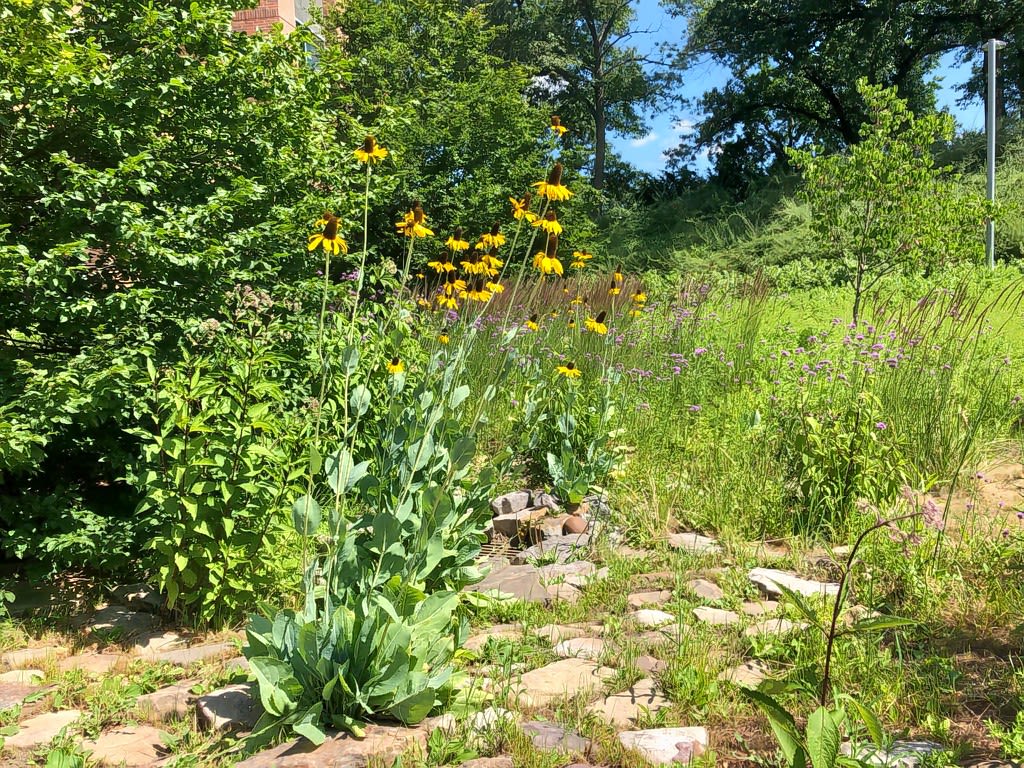
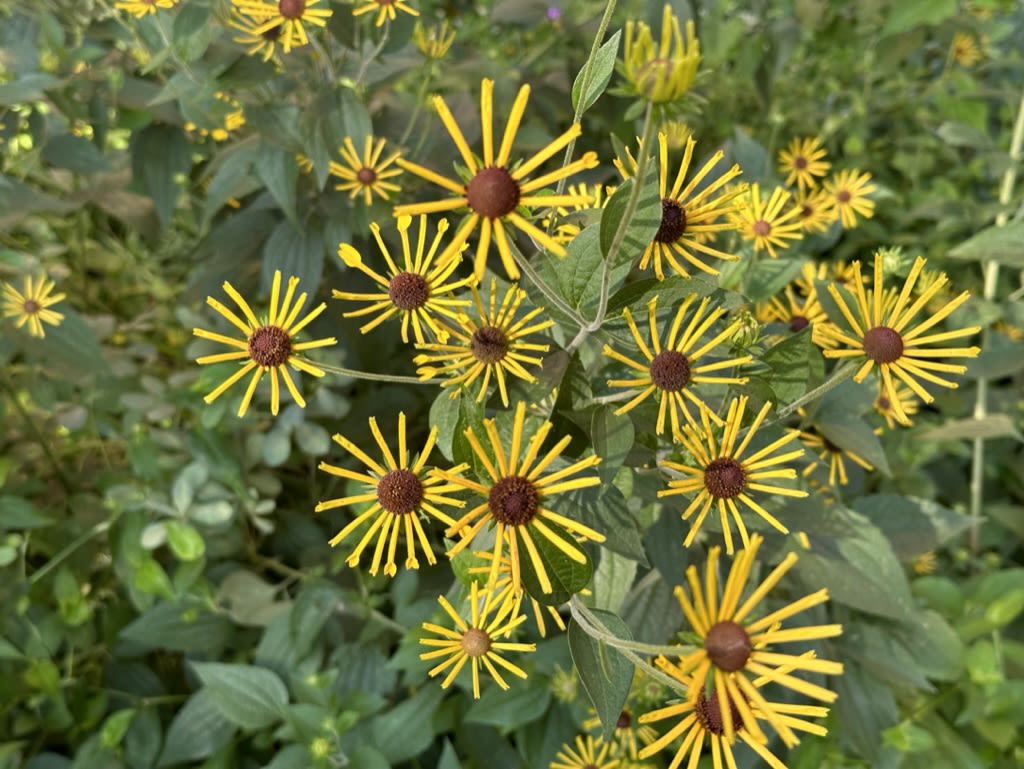
Black-eyed susan in bloom, from summer into fall
Black-eyed susan in bloom, from summer into fall
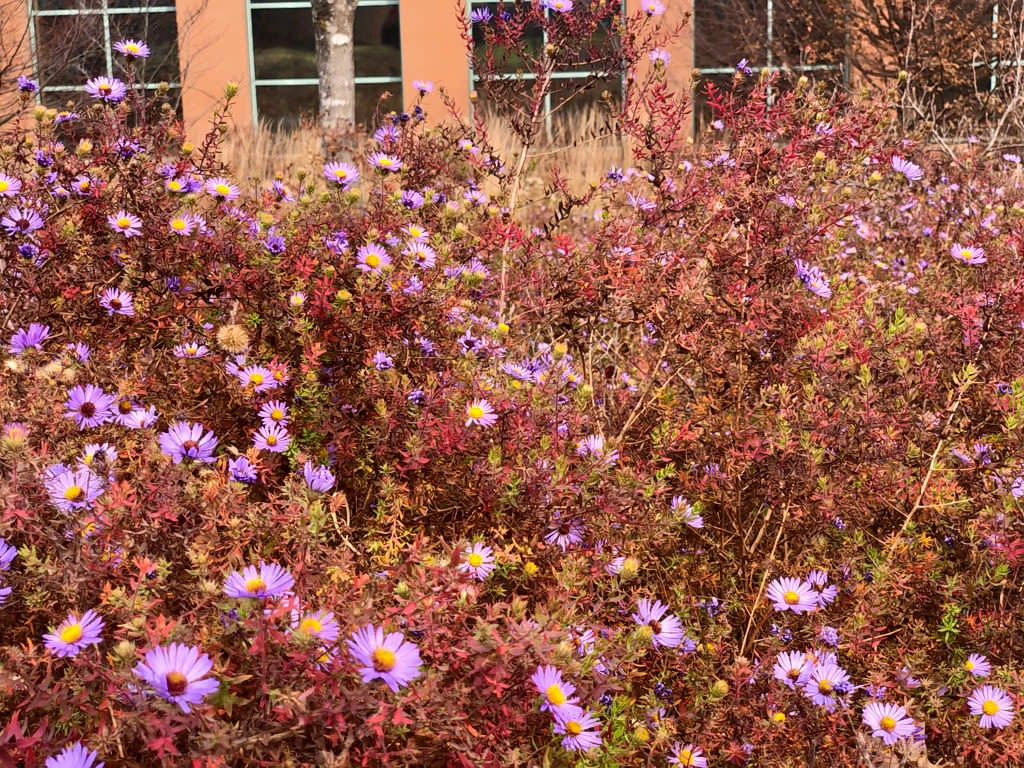
Aster blooming in late summer, early fall, serving as a late-season resource for pollinators
Aster blooming in late summer, early fall, serving as a late-season resource for pollinators
Through The Years
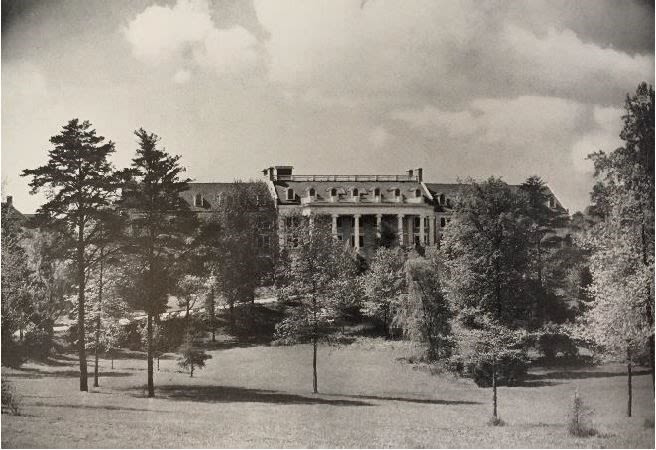
According to the U.S. Army’s history of Arlington Hall Station, in April 1942, several Signal Intelligence Service (SIS) officers were returning to Washington, DC, from Warrenton, Virginia, where a radio wave listening station was under construction at what is now Vint Hill Winery. The group spotted the rolling acres of the Arlington Hall Junior College for Girls near North Glebe Road.
The site piqued the interest of the SIS. At the time, SIS was located on the National Mall in the temporary Munitions Building created during World War I, which was best described as dreary. Additionally, since Arlington Hall was outside of Washington, DC, it was thought to be less vulnerable to enemy sabotage and spies.
The Army invoked the War Powers Act and seized the acreage, paying the trustees $650,000, a sum that just covered the mortgage. The school, at break-even due to the Depression and war, did not have money to relocate and simply closed.